REVIEW · KATHMANDU
Pikey Peak Trekking
Book on Viator →Operated by Sherpa Expedition & Trekking · Bookable on Viator
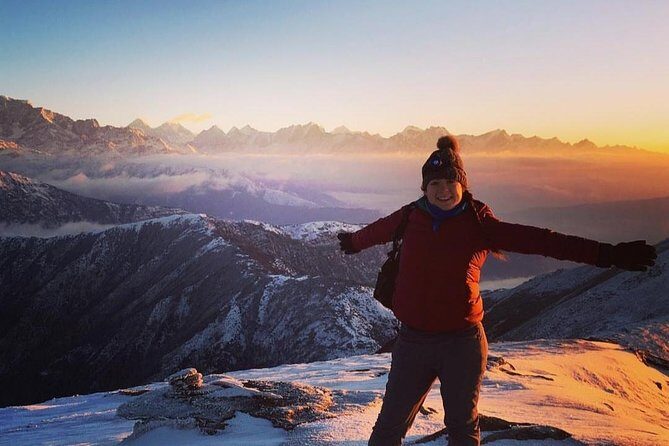
That sunrise view is worth the early start. From the 4,067m Pikey Hill viewpoint, you get a front-row seat to a huge sweep of the eastern and central Himalayas, including Everest and Kanchenjunga on clear days, plus classic sunrise and sunset drama. It’s also a trekking route that moves through real settlements in the Solu Khumbu region, so the days feel about more than just altitude.
I especially like two things about this trek: the scale of what you can see from Pikey Peak, and the way the path threads through places like Kerung, Pattale, Jhapre, Lamajura, and Junbesi. I also like that it’s set up as a private experience, and that your package includes breakfast and full-board meals during the trek—so you’re not constantly thinking about logistics when you should be thinking about the next ridge.
One consideration: the itinerary starts at 6:15am from Kathmandu and you’ll be working at altitude for an 8-day trek. If your fitness is only light and you hate uphill grinds, you may find this more demanding than you expected, since the activity calls for moderate physical fitness.
In This Review
- Key highlights I’d plan around
- Pikey Peak at 4,067m: the view that sells the whole trek
- Your 6:15am Kathmandu start and the Phaplu trekking rhythm
- Walking the Solu Khumbu corridor: Kerung, Pattale, Jhapre, Pikey, Lamajura, Junbesi
- Food, energy, and what drinks not included means
- Guides on the trail: why local leadership matters here
- How hard is this, really? Altitude plus 8 days on foot
- Price and what $1,435.90 covers on a private trek
- Who this trek suits best
- Should you book Pikey Peak Trekking?
- FAQ
- Where does the Pikey Peak trek start and end?
- How long is the trek?
- What altitude is Pikey Peak?
- What’s included in the price?
- What’s not included?
- Is this a private tour and is it suited for moderate fitness?
Key highlights I’d plan around
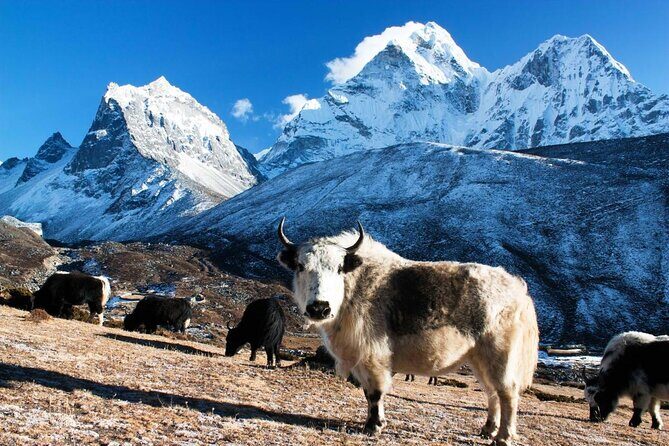
- 4,067m viewpoint for major Himalayan sightlines across the eastern and central ranges
- Sunrise and sunset from Pikey Peak, with views of peaks listed like Everest, Makalu, Kanchenjunga, and more
- Village-by-village walking through Kerung, Pattale, Jhapre, Lamajura, and Junbesi
- Private tour feel: only your group participates
- Breakfast plus full-board meals on trek days, with drinks left for you to manage
Pikey Peak at 4,067m: the view that sells the whole trek
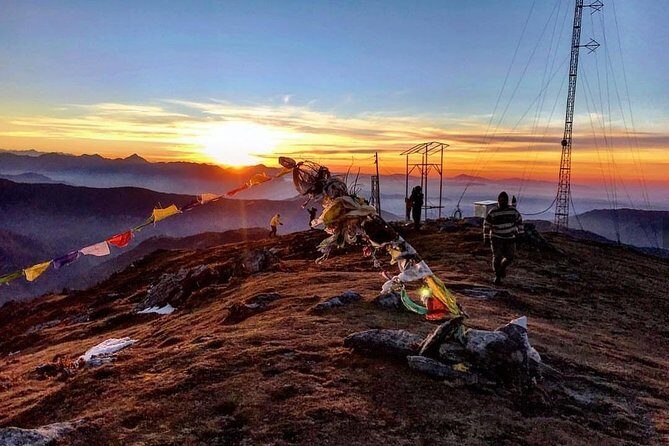
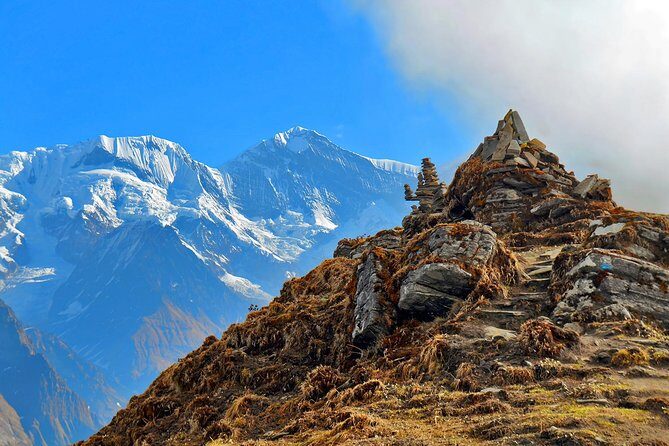
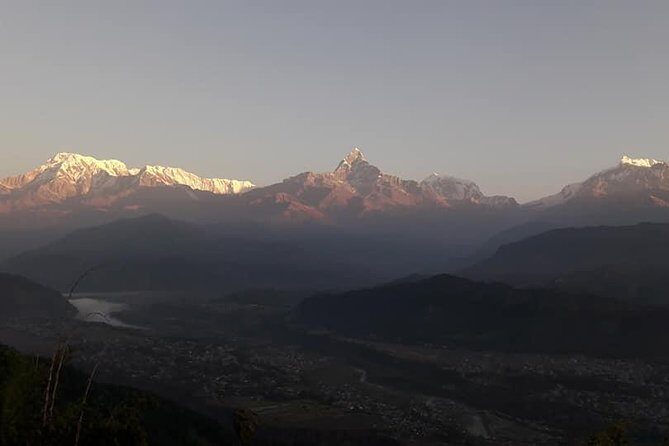
Pikey Peak is a high hill in the Solu Khumbu region, at 4,067 meters, and it’s known for big mountain visibility. What makes it tempting (and honestly, practical) is the range of peaks you can see from here. The view list includes names like Everest, Makalu, Kanchenjunga, Annapurna, Gaurishankar, Lhotse, Nuptse, and Thamserku, plus several others.
This matters because it changes the trek’s value equation. You’re not only climbing for a single summit moment—you’re climbing for a panorama that can cover multiple major ranges. If your time in Nepal is tight but you still want that “wow, I’m in the Himalayas” feeling, Pikey Peak is built for that.
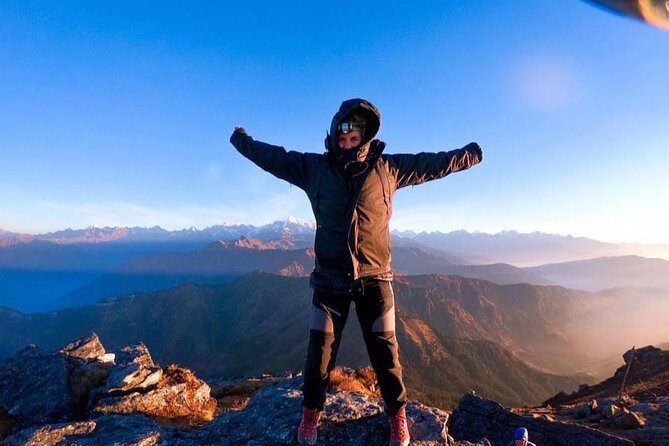
And then there’s the timing. Sunrise and sunset are specifically called out as a major attraction. That’s not just marketing fluff: at viewpoints, early light tends to turn long ridgelines into sharp shapes, and late light can soften the contrast. Either way, it’s the kind of experience you’ll remember long after the trail dust settles.
You can also read our reviews of more hiking tours in Kathmandu


Your 6:15am Kathmandu start and the Phaplu trekking rhythm
You meet at Tribhuvan International Airport on Ring Rd in Kathmandu, at 6:15am. The start point matters because it sets the pace for the entire trip: you’ll be moving early, and the schedule assumes you’ll roll with a long day from the beginning.
The trek itself begins and ends at Phaplu. So even though your meeting point is at the airport area, the trekking portion is centered on the Phaplu start-to-finish routing. The activity also ends back at the meeting point, so you’re not left coordinating a separate return day on your own.
This is a private tour/activity, meaning only your group participates. Practically, that usually translates to fewer crowds on your trek days and more flexibility in how you handle the pace, rest stops, and timing around views—especially at sunrise, when everyone’s trying to get into position.
You also get a mobile ticket, which is a small but real convenience in Nepal. Less paperwork. Less guesswork.
Walking the Solu Khumbu corridor: Kerung, Pattale, Jhapre, Pikey, Lamajura, Junbesi
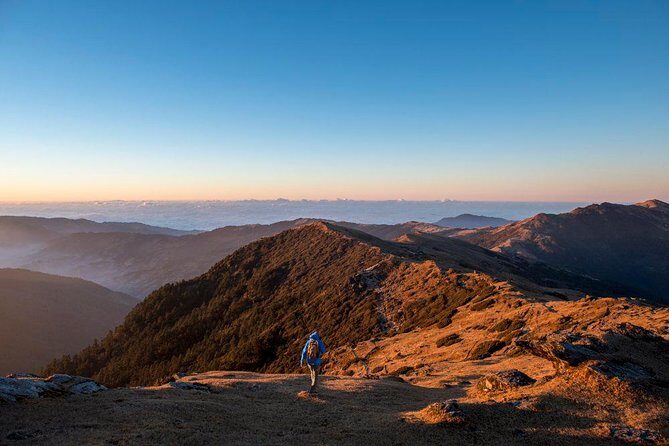
The route is built like a chain of memorable waypoints. You start and finish at Phaplu and pass through Kerung, Pattale, Jhapre, the Pikey Peak area, Lamajura, and Junbesi.
Here’s why that matters for your experience. A trek that simply goes straight up and back can feel like a nonstop workout. This one is paced through settlements—so your brain gets a break between altitude pushes. You’ll also get more chances to observe day-to-day life and village routines, rather than only seeing mountains.
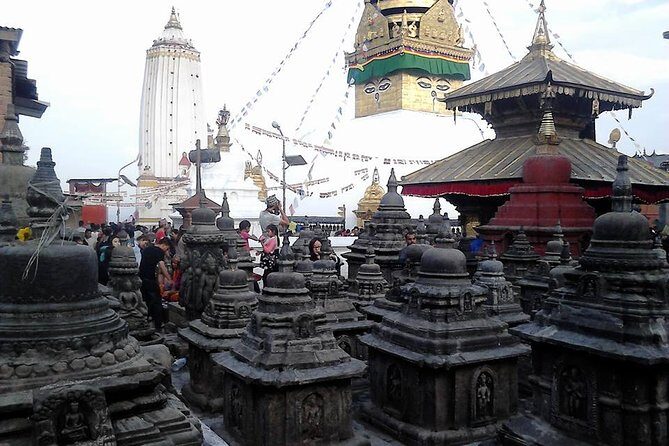
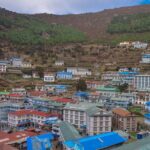
What I like about this type of route is that it tends to make the trek feel less like a single long grind and more like a series of human-scale moments. Kerung and Pattale sound like quiet village stops—exactly the kind of setting where you notice sounds, weather shifts, and changing light on rooftops and paths.
Jhapre and the approach toward Pikey Peak are especially important because the trail leads you toward the main payoff. When you’re moving through multiple settlements before the big viewpoint, you’re effectively building rhythm and acclimation through daily walking.
Then you hit Pikey Peak, and the trek’s reason for being becomes obvious. From there, the descent and onward sections through Lamajura and Junbesi keep the journey from feeling like a one-moment event.
One note from the overall vibe of this trek: it’s often described as quiet, with stretches where you don’t feel surrounded by a crowd. If you like trekking with space—space for your thoughts and space for photos—that’s a plus.
Food, energy, and what drinks not included means
This package includes breakfast and full-board meals during the trek. That’s a big practical win because on multi-day hikes, meals can become the biggest hidden variable. With full board, you can plan your day around walking and views instead of hunting for food.
I also appreciate that drinks are listed as not included. That’s not a dealbreaker, but it does mean you should budget for water and any hard or soft drinks you want along the way. On trek days, having something to sip can make the difference between feeling “okay” and feeling great—especially on colder mornings for sunrise.
Since the trek is 8 days (approx.), your best move is to treat the meals as your baseline nutrition plan and avoid letting hunger or dehydration sneak up on you. Full-board helps with regular eating, but you still need to manage your intake.
And because the food is included, you’ll likely have fewer meals you’re paying for separately. That improves value, especially compared to trekking styles where you cover most meals yourself.
Guides on the trail: why local leadership matters here
This trek’s descriptions and feedback highlight the role of guides. You may be accompanied by names like Nee-ma Sherpa and C-erpa Pasang, or Jay Bir with Hiese Lama, or Dawa Sherpa as guide. Those are the kinds of names that show this isn’t a faceless operation.
Here’s what a good guide does for a trek like this, in real life:
- They help you keep an efficient pace so you arrive at viewpoint times with enough energy.
- They guide the day’s decisions around when to stop, when to push, and how to manage the effort.
- They bring local knowledge that helps you read the trail and the surrounding area without turning the experience into a checklist.
Even if you’re a confident trekker, leadership still helps when the goal includes sunrise timing and long-distance visibility. At Pikey Peak, you’re chasing light as much as altitude. Getting the timing right is part of the job.




How hard is this, really? Altitude plus 8 days on foot
The only explicit altitude figure provided is Pikey at 4,067m. But you should still think of this trek as a sustained effort over about 8 days. It’s rated for travelers with moderate physical fitness.
That’s a useful clue. Moderate usually means you’re expected to be comfortable walking for hours on uneven ground and handling climbs without needing to stop every few minutes. If you’re currently doing little walking beyond daily routines, you’ll want to build time on your feet before you go.
The 6:15am start also matters. It’s not just “early morning”—it’s early enough that you’ll want to be prepared for the rhythm of trekking days: moving, taking breaks, eating on schedule, and returning to camp/housing.
Also consider the fact that the trek is private for your group. That can be great, but it also means the pace will reflect the guide’s judgment and your group’s stamina. If your group is evenly matched, the experience tends to feel smooth. If there’s a big gap, you’ll feel it.
Price and what $1,435.90 covers on a private trek
At $1,435.90 per person for an 8-day trek, the headline price isn’t cheap. But you should judge value by what’s included and what’s handled for you.
This price includes:
- Breakfast
- Full-board meals during the trek
- A private tour setup (only your group participates)
- Mobile ticket
- A route that’s organized around a specific start/end trekking location (Phaplu) while tying back to your Kathmandu meeting point
So where does the value come from? It comes from removing daily uncertainty. When meals are included and the trek route is handled, you avoid a lot of small, annoying decisions. And the mountain payoff—sunrise/sunset from a high viewpoint with visibility across major peaks—acts like the core product you’re paying for.
What’s not included are hard and soft drinks. That’s normal for outdoor itineraries, but it affects what your final trip cost looks like. If you drink a lot during hikes, keep that in mind. If you keep it simple with water and meals, the package value stays strong.
Given the high rating (5 out of 5 with 5 reviews listed), the experience seems to land well with people who came for the views and the route.
Who this trek suits best
This trek fits best if you:
- Want major Himalayan views without needing to climb higher than the provided 4,067m viewpoint
- Have limited time but still want sunrise and sunset moments built into the plan
- Like trekking through settlements and cultural scenery, not just mountain-only scenery
- Prefer a private group experience
- Are comfortable with moderate fitness expectations across about 8 days
It may feel less ideal if you:
- Want a short trek with minimal effort
- Don’t like early starts (the activity begins at 6:15am)
- Expect drinks and extra spending to be fully included
Should you book Pikey Peak Trekking?
I’d book this trek if your priority is a high-quality viewpoint experience over a steady, culturally grounded route. The combination of Pikey Peak visibility (including Everest-range and other famous peaks listed), plus the sunrise/sunset focus, is exactly the kind of goal-driven itinerary that justifies the cost.
If you’re the type who likes quiet walking and doesn’t want your trekking days packed with strangers, the private group format and the described calm vibe on parts of the trail are strong signals. And with breakfast and full-board meals included, you’re not constantly solving hunger and spending issues mid-trek.
If you do book, I’d plan around two things: early mornings and your moderate-fitness level. Once those are handled, this is the kind of trek that delivers a clear payoff—big views, real villages, and enough days on the trail to feel like you’ve actually traveled through the Himalayas, not just visited a point on a map.
FAQ
Where does the Pikey Peak trek start and end?
You meet at Tribhuvan International Airport on Ring Rd in Kathmandu at 6:15am. The trekking begins and ends at Phaplu, and the activity ends back at the same meeting point.
How long is the trek?
The duration is listed as 8 days (approximately).
What altitude is Pikey Peak?
Pikey is listed at 4,067m.
What’s included in the price?
The package includes breakfast and full-board meals during the trek.
What’s not included?
Hard and soft drinks are not included.
Is this a private tour and is it suited for moderate fitness?
Yes, it’s private, meaning only your group will participate. It’s also listed for travelers with a moderate physical fitness level.