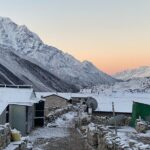
Sunrise at Poon Hill hits different. This trek puts you at a high viewpoint for a 360-degree Himalayan panorama that can include the peaks of Dhaulagiri and Annapurna. On clear mornings, you also get big-name views like the Kali Gandaki Gorge and the look of the Trans-Himalayan ranges from Nepal’s side.
I like how the trip is built for real people on real schedules, not just hardcore hikers. You’ll have a licensed English-speaking guide, private group setup, and a porter arrangement that makes steep days easier to manage, with help from guides like Shree Ram and Bimal (plus porters such as Ashuk and Ashok in past groups).
The main drawback is simple: the route has a lot of stairs and steep climbing, especially on the Ulleri sections. Add that to the fact that sunrise depends on weather, and you should go in with flexible expectations.
In This Review
- Key things I’d watch for before you go
- Why the Poon Hill Sunrise Moment Feels Worth the Effort
- 7 Days Total, But the Trek Itself Is About 4 Days
- Kathmandu Setup: Pickup and Briefing Without the Guesswork
- The Long Drive to Pokhara (And Why It’s Not Just Transit)
- Ulleri Stairs Day 1: Meadows, Villages, and Lots of Steps
- Ulleri Stairs Day 2: Rhododendron and Magnolia on a Steep Ascent
- Poon Hill Morning: The Panorama That Drives the Whole Trip
- Ghandruk Finish and the End of the Trek
- Day 7 Back to Kathmandu: Closing the Loop
- The Guides and Porter System: The Real Difference Maker
- Where You’ll Sleep and How Meals Change the Feel of the Trek
- Price and Value: What Your $450 Covers (and What It Doesn’t)
- The Main Trade-offs: Stairs, Weather, and Early Starts
- Who Should Book This Poon Hill Trek?
- Should You Book Nepal Trek Hub for Poon Hill?
- FAQ
- What time does the experience start in Kathmandu?
- How long is the Poon Hill trek experience?
- Are meals included?
- Where do you trek, and what are the key trail areas?
- Do I need a visa?
- What permits are included?
- Is hot shower or phone charging included during the trek?
- Do I need travel insurance?
Key things I’d watch for before you go
- Sunrise viewing is the whole point: you plan around an early morning climb to Poon Hill for the best views
- Ulleri has serious stairwork: expect steep ascents through magnolia and rhododendron forests
- Full-board meals on the trek help you travel lighter: breakfast, lunch, and dinner are covered on trekking days
- Private pacing with porter support: fully escorted setup with a guide and porters (2 guests per 1 porter)
- Weather matters: the experience requires good conditions, and poor weather can change dates
Why the Poon Hill Sunrise Moment Feels Worth the Effort
If you’re drawn to Poon Hill, you’re probably chasing one very specific payoff: a mountain sunrise you can’t really fake with photos later. This trek is designed to get you to the viewpoint at the right time, so the day starts with glowing peaks and a wide, sweeping view.
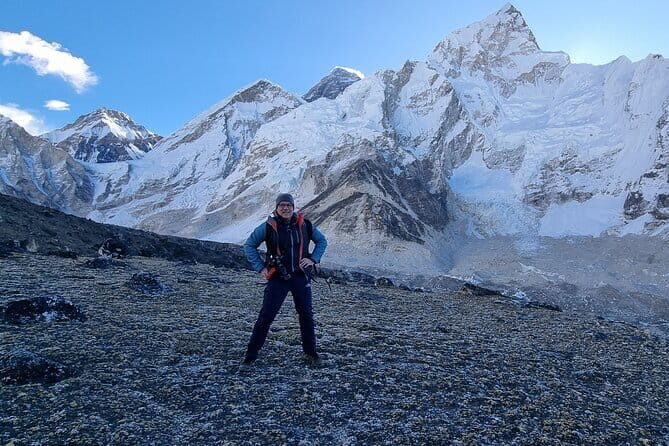
From Poon Hill, the view can stretch into a broad panorama that covers major mountains in multiple directions, including Dhaulagiri I and Annapurna I. The trek also puts you in position to see the Kali Gandaki Gorge from up high. If conditions are clear, you’ll even catch the visual boundary created by the Trans-Himalayan ranges.
I also like that you don’t just have one “big moment” and then wander away. The sunrise lookout is followed by time to eat, reset, and then keep walking through dense forest sections. In practice, that means you get a dramatic morning without turning the whole trip into a single rushed photo stop.
You can also read our reviews of more hiking tours in Kathmandu


7 Days Total, But the Trek Itself Is About 4 Days
The itinerary runs about a week because Nepal travel takes time. You spend Days 1 and 2 on Kathmandu-to-Pokhara movement and briefing, then you get four trekking days (Days 3 through 6). Day 7 finishes with the drive back to Kathmandu.
Here’s how that rhythm usually feels:
- You start with logistics: airport pickup, hotel transfer, and a trek briefing so you know what’s coming.
- You build up your hiking days: first walking day includes stairs; later days include steeper climbs and hilly up-and-down.
- You end with a descent and transport: you trek down to Ghandruk, then return to Pokhara as the trekking portion finishes.
This structure is practical if you’re not trying to spend your entire vacation sitting on buses. You also get a calmer start because your first day is walking from a trekking starting point, not immediately from Kathmandu.
Kathmandu Setup: Pickup and Briefing Without the Guesswork
Day 1 is about getting you settled fast. You get picked up from Tribhuvan Airport and transferred to your hotel in Kathmandu, followed by a trekking briefing. That matters more than people expect.
A good briefing helps you understand the pace, what kind of hiking to expect, and how the schedule flows. Since the Ulleri sections include lots of stairs and steep climbing, knowing the pattern upfront makes it easier to pace yourself rather than burn energy too early.
It’s also where you can get your bearings on paperwork and permits and confirm the basic plan with the guide in plain language.
The Long Drive to Pokhara (And Why It’s Not Just Transit)
Day 2 is an 8 to 9 hour drive to Pokhara. You’ll have time to notice the mountain range views along the way, and Pokhara is your base before the trek starts.
This is one of those days where you’ll feel the hours in your legs even though you aren’t trekking yet. The trade-off is that you arrive ready, not scrambled. And if you’ve never seen Nepal’s mountain country from a highway, the views can be a welcome warm-up for what comes next.
A small practical note: plan for a long sitting day. Hydration and snacks help, even though the trek meals coverage is mainly for trekking days.
Ulleri Stairs Day 1: Meadows, Villages, and Lots of Steps
Day 3 is where the trek starts properly. You drive to the trekking starting point at Hile, then begin walking from there after lunch. This first walking day is described as having a lot of stairs, but it’s not just punishment.
You’ll pass meadows, jungle sections, and local village areas. In other words, you’re not locked into a single type of scenery. That variety matters on a day with stairs because it gives you visual breaks—your legs keep working, but your brain doesn’t feel trapped in one view.
At about 8 hours of walking, this day sets the tone. I’d treat it like an acclimation step in hiking form. You’re building endurance and learning how your body handles repeated elevation changes.
If you’re new to trekking, this is the day where you’ll learn whether you hike best with short, steady pushes—or with breaks that keep your breath under control.




Ulleri Stairs Day 2: Rhododendron and Magnolia on a Steep Ascent
Day 4 focuses on steep climbing on the Ulleri stairs. The route winds through magnolia and rhododendron forests, and if you’re there during flowering season, the sights and scents can be unforgettable in a way that doesn’t require extra spending or detours.
There’s also a wildlife moment that’s easy to miss if you rush. You might spot the Nepal grey langur moving through treetops overhead. It’s the kind of detail that makes forest walking feel alive rather than just like a vertical exercise.
This is the hardest “feel” day early in the trek, even if the overall trek is often described as suitable for many types of hikers and even family groups. The reason is that steep steps drain you faster than flatter climbs.
My practical advice: don’t treat this as a day to measure speed. Treat it as a day to build consistency. When your breathing is steady, the forest walk feels way more manageable.
Poon Hill Morning: The Panorama That Drives the Whole Trip
Day 5 is built around an early start for Poon Hill and sunrise. You’re headed for an indescribably beautiful panorama of Himalayan peaks illuminated by morning light. The itinerary specifically calls out Dhaulagiri I, Annapurna I, and Manalsu, plus a view that can include the Kali Gandaki Gorge and the visual border effects of Nepal and Tibet created by the Trans-Himalayan ranges.
After sunrise, you return for late breakfast at your lodge, then get back to the trail. And here’s the part that people sometimes forget: the trek doesn’t stop at the viewpoint.
The walk from Ghorepani to Tadapani is described as notoriously hilly, with a lot of up-and-down. Your legs will stretch, but the payoff is the dense forest setting, including flowering forests along the way. In practice, that means the day keeps you working, but it also keeps you seeing things.
If the forecast looks shaky, this is the day you’ll want to stay mentally flexible. Sunrise is the goal, but fog and clouds can happen. The operator notes the experience requires good weather, so plan around that reality.
Ghandruk Finish and the End of the Trek
Day 6 brings the downshift: you trek down to Ghandruk. After that, you drive to Pokhara and the trekking portion is over.
Ending with a descent is a smart design. It lets you finish with less elevation pressure while still giving you time on foot to absorb the area. Then you’re back into the comfort of transport and rest.
It also shortens the “tired travel” window. Instead of trekking long on the final day and then facing an extra transfer, the itinerary has the trek finish before the drive.
Day 7 Back to Kathmandu: Closing the Loop
On Day 7, you drive back to Kathmandu. After several days of hiking and early mornings, the big value of this final day is that it gives closure without extra surprises.
You’re not adding another hiking segment. You’re moving back to city life with enough structure that your schedule feels predictable.
The Guides and Porter System: The Real Difference Maker
One thing that shows up clearly in the experience is the human support. This trek is fully escorted with fluent English-speaking license holder guides, and the porter setup is designed to keep the trek realistic: typically 2 guests per 1 porter.
That ratio matters on stair-heavy days. When someone else can shoulder part of your load, you can focus on footing and rhythm instead of pure weight management.
I also appreciate how guide support shows up in past feedback. Names that come up include Shree Ram, Nabaraj, Shree Ram’s leadership, and guides like Ashish, Abishek, Bimal, and Sheeram, with porters such as Ashuk and Ashok. The common thread in their service style is attention—helping with what you need, keeping things organized, and adjusting plans when weather changes.
There’s also clear evidence this operator can handle a range of people: first-time trekkers and families have taken Poon Hill treks, and in at least one case a family with kids aged 4 and 8 made it work with the guide’s ongoing assistance.
Where You’ll Sleep and How Meals Change the Feel of the Trek
Accommodation during trekking days is on a guest house basis. On top of that, meals are covered in full board: breakfast, lunch, and dinner each trekking day.
That’s big value. Trekking food can be expensive if you’re buying everything yourself, and it’s also tiring to coordinate meals when you’re already managing altitude, steps, and early mornings.
Past feedback also highlights that teahouses can offer superb views, which is a nice bonus. When you finish a hard day, being able to look back at the mountains from where you eat helps the trip feel more than just physical work.
What’s not included is also clear: hot shower, battery charges, laundry, and city lunches/dinners. If you expect those conveniences during the trek, you’ll want to plan for alternatives.
Price and Value: What Your $450 Covers (and What It Doesn’t)
At $450 per person, this trek can feel like a bargain if you compare what’s included versus what you’d pay on your own.
What you get included:
- Private transportation and airport transfer in Kathmandu
- Tourist bus transfer from Pokhara to Kathmandu for you and your guide
- Fully escorted trek with a licensed English-speaking guide
- Porter support (2 guests per porter)
- Full-board meals during trekking days
- Guest house accommodation during trekking days
- Annapurna Conservation Area Project permits
- Trek essentials support like a first aid box
- Staff food/accommodation/salaries and insurance for guide/porter
- A duffle bag if you need it
- Seasonal fruits if possible
What you should budget separately:
- Nepal entry visa fee (not included, listed as $40)
- Lunch and dinner in Kathmandu and Pokhara city
- Hot shower, battery charging, phone calls, and laundry during the trek
- Personal trekking equipment and clothing
- Drinks and personal nature expenses
- Tips (not compulsory but highly expected)
- Any monuments entrance fees or donations
My practical takeaway: the big value is that transport, food on trekking days, and the permit + guide system are handled. That lowers the risk of spending time bargaining in Nepal while you’re already tired.
The Main Trade-offs: Stairs, Weather, and Early Starts
This trek requires good weather. If conditions are poor, the experience can be canceled and you’ll be offered a different date or a full refund. That’s the reality of sunrise treks.
Then there’s the hiking shape:
- Day 3 has lots of stairs
- Day 4 includes steep climbing on the Ulleri stairs
- Day 5 includes hilly, up-and-down walking after Poon Hill
So this is not a walk in the park. It’s manageable for many people, including newbies and families, but it still asks for steady effort. If you have knee issues or you hate repeated stairs, you’ll feel it.
Finally, timing: the meeting start time listed for Kathmandu is 7:15 am. That’s early enough to require you to sleep well the night before, not rely on willpower.
Who Should Book This Poon Hill Trek?
This is a solid choice if:
- You want the sunrise view to be the focus
- You like structured support: guide, porter help, meals, and permits taken care of
- You’re okay with stair-heavy trekking and a few early starts
- You want a trip that’s approachable for first-time hikers and family groups (based on past experience)
You might think twice if:
- You want a low-stair, low-steepness itinerary
- You’re not willing to accept weather-driven schedule changes
- You’re expecting free extras like hot showers and charging during the trek (those aren’t included)
Should You Book Nepal Trek Hub for Poon Hill?
If your priority is a sunrise trek that’s organized, guided, and realistically paced, I think it’s worth serious consideration. The included permits, full-board meals on trekking days, guest house lodging, and the guide/porter structure do a lot of heavy lifting for you.
I’d only book if you’re honest about the stairs and steep segments. This trek pays off because you earn those wide mountain views with effort, not because it stays easy the whole way.
If you can accept weather as a factor and you’re ready to work your way up through rhododendron forest, you’ll likely find the experience highly satisfying.
FAQ
What time does the experience start in Kathmandu?
The meeting point is Tribhuvan Airport in Kathmandu, with a start time listed as 7:15 am.
How long is the Poon Hill trek experience?
The itinerary runs about 7 days total, with the trekking portion taking place across Days 3 to 6 (about 4 trekking days).
Are meals included?
Yes. Meals on full board (breakfast, lunch, and dinner) are included each day during the trekking days.
Where do you trek, and what are the key trail areas?
The route includes a start from Hile, walking through the Ulleri stairs area, a sunrise excursion to Poon Hill, then trekking from Ghorepani to Tadapani, and finally trekking down to Ghandruk.
Do I need a visa?
Yes. The Nepal entry visa fee is not included, and it’s listed as $40.
What permits are included?
The itinerary includes Annapurna Conservation Area Project permits.
Is hot shower or phone charging included during the trek?
No. Hot shower, battery charges, laundry service, and phone calls are not included during the trek.
Do I need travel insurance?
Yes. Travel insurance is mandatory in case of emergency, according to the provided information.