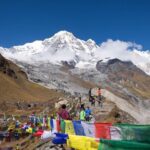
Annapurna Base Camp rewards you fast. This private short trek pairs big-mountain payoff with day-to-day variety: forest and terraced trails, village walks, and the kind of sunset views from ABC that feel like they were designed for photos. I also like how the route threads through places like Jhinu Danda and Chhomrung, so you get more than just hiking time—you get a sense of how people live on the mountain routes.
The main thing to plan for is effort. Some trekking days are long (up to 12–16 hours listed), and the mountains you came for depend on weather, so you’ll want a flexible mindset and solid stamina.
In This Review
- Key highlights and what matters on the ground
- The big idea: a private Annapurna Base Camp trek with a built-in rhythm
- Getting started in Kathmandu: Thamel, airport pickup, and a clear first step
- The Kathmandu to Pokhara road day: long drive, good planning payoff
- Jhinu Danda to Chhomrung to Sinwa: the trek starts with closeness
- Toward Deurali: bamboo, rhododendron, and views that reward the climb
- Reaching Annapurna Base Camp (ABC): the day with the payoff
- ABC sunrise and the descent: why downhill can be harder than you expect
- Back to Jhinu Danda and down to Pokhara: rest that feels earned
- Kathmandu return by tourist bus: the last long travel day
- Price and value: what $700 covers, and what you still need to budget
- Who this private ABC trek suits best
- Practical tips that can make or break your comfort
- Should you book this Annapurna Base Camp private short trek?
- FAQ
- Where does the tour start and end?
- How are you picked up from the airport?
- What time does the trek start?
- Is the trek private?
- What transport is included?
- Are trekking permits included?
- What meals are included?
- Where do you stay before and after trekking?
- Do I need a Nepal visa?
- What if my plans change and I need to cancel?
Key highlights and what matters on the ground
- Sunset at Annapurna Base Camp with a peak roll call (Annapurna I, Annapurna South, Gangapurna, Himchuli, Annapurna III, Gandarvachuli, Machhapuchhre)
- Kapil-style pace adjustment so the plan fits your ability instead of forcing a one-size-fits-all scramble
- Comfort built into the schedule with 2 nights in Kathmandu and 2 nights in Pokhara plus B/B plan there
- Classic route building blocks like Jhinu Danda to Chhomrung and then toward Ghorepani/Deurali country
- Two-way overland transport included using tourist bus between Kathmandu and Pokhara, plus transfer to Jhinu and back
The big idea: a private Annapurna Base Camp trek with a built-in rhythm
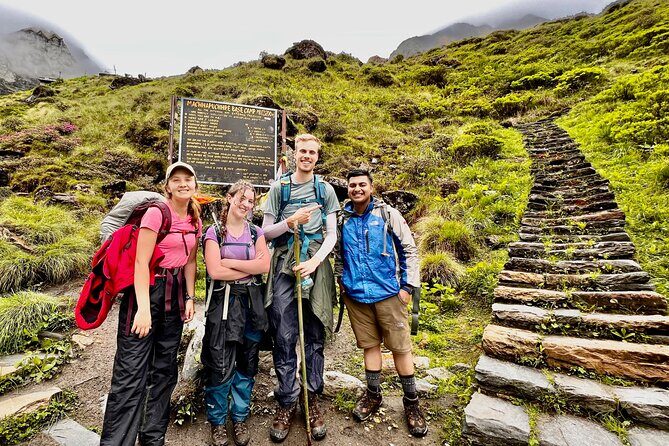
If you want Annapurna Base Camp without turning the trip into a 2-week endurance test, this “private short trek” format is designed around flow. You’re not just dropped on a trail and told good luck. You move with a guide, you get permits sorted, and you get a schedule that alternates driving days with trekking days—so you can actually enjoy the scenery instead of only managing logistics.
The value shows up in the combination of things that are usually annoying on your own: transport between cities, trekking permits, a guide, and the core meals. At the end of the trek, you’re also not stuck figuring out how to get back to Pokhara and then Kathmandu. That matters because in Nepal, the hardest part isn’t always the hike itself—it’s the chain of small decisions that can snowball.
The other thing I like is that you get both mountain moments and human moments. You’ll be walking through forest and terraced areas, then into village sections with a more local pace. By the time you reach base camp, you’ve already built a relationship with the route.
You can also read our reviews of more private tours in Kathmandu


Getting started in Kathmandu: Thamel, airport pickup, and a clear first step
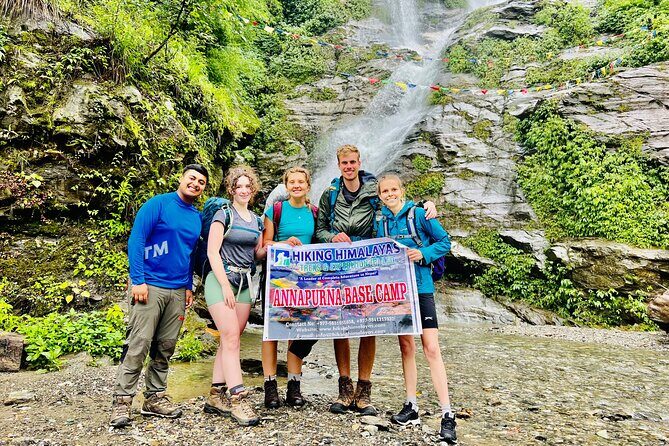
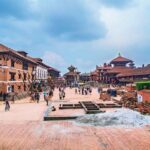
Most Himalayan treks feel vague on Day 1. This one tries to reduce that stress. Your representative meets you around Tribhuvan International Airport (often in the arrival hall or outside), and you’ll look for a signboard or someone holding a placard with your name or the hiking company name. From there, the trip begins in Thamel, Kathmandu, which is where a lot of trek folks orient themselves.
Start time is listed as 7:00 am, so don’t plan a late-night arrival without margin. If you’re coming from a long international flight, I’d treat Day 1 as a reset day, not a day to squeeze in extra sightseeing.
One more practical note: Day 1 includes an admission ticket, but the exact attraction isn’t specified. If this matters to you, ask what it is before you depart. The trekking itself has enough moving parts without surprise add-ons.
The Kathmandu to Pokhara road day: long drive, good planning payoff
Then comes the big overland move: Kathmandu to Pokhara is about 200 km and takes around 9 hours. That’s a long day, but the trek works better when you’re not trying to start hiking immediately after landing. Pokhara is your staging ground, and you’ll appreciate having a proper base for gear checks, meal prep, and rest.
Transportation between Kathmandu and Pokhara (and back) is by tourist bus, and that’s included. Tourist buses aren’t built for comfort like a private van would be, so if you’re sensitive to road time, bring what you need: water, snacks, and something for motion.
The payoff is that Pokhara gives you a breather before the route turns into daily hiking. You’ll also have 2 nights in Pokhara on a bed-and-breakfast plan, so you’re not just passing through in transit.
Jhinu Danda to Chhomrung to Sinwa: the trek starts with closeness
Trek day energy begins with a drive to the trailhead area. From the Kathmandu/Pokhara side, you’ll head toward Jhinu, passing places including Hemjha, Naudanda, Lumle, Kade, Nayapul, and Modi Khola (as listed). The drive portion toward Jhinu is about 2 hours, and then you begin trekking.
From Jhinu Danda, you hike about 1 hour to Chhomrung. This is a key early moment because Chhomrung is where you often get a clearer sense of the Annapurna region’s steepness and how quickly the weather can change. You’ll also eat lunch there, and the schedule gives you time to look around rather than only marching.
After lunch, the trail goes down to the river, you cross the bridge, and then you climb again to Sinwa (Sinuwa) for the night. That up-down rhythm is very Himalayan reality: even early in the trek, you’re training your legs for what comes later.
One drawback to consider here: Day 3 is listed as up to 12 hours, even though parts are shorter walking segments. If your fitness level is moderate, you’ll want to keep a steady pace and let your guide set the rhythm. This is where having a private setup helps—your guide should be adjusting more than simply following a fixed tempo.
Toward Deurali: bamboo, rhododendron, and views that reward the climb
Day 4’s theme is ascent. You start around 6:00 am with breakfast, then there’s a steep climb described through bamboo, Dovan, and toward a stop at Himalaya Hotel, where you’ll have lunch. After lunch, it’s about 2 hours walking to Deurali, where you rest for the night.
This is the kind of day that can feel tougher than it sounds because steep trails add fatigue fast. The route description mentions rhododendron and bamboo forests, which is great because the shade can make a difference if conditions are warm. You also get mentions of strong viewing potential—like views of Fishtail and surrounding hills—so don’t treat the forest as boring. In Nepal, the trees usually change the temperature first, then the view opens later.
From a value perspective, this day matters because Deurali is a natural checkpoint. It sets you up for the big push toward base camp, and it also helps you understand the altitude experience: you might feel a little slower than at sea level, but you’re not suffering without direction.
You can also read our reviews of more hiking tours in Kathmandu


Reaching Annapurna Base Camp (ABC): the day with the payoff
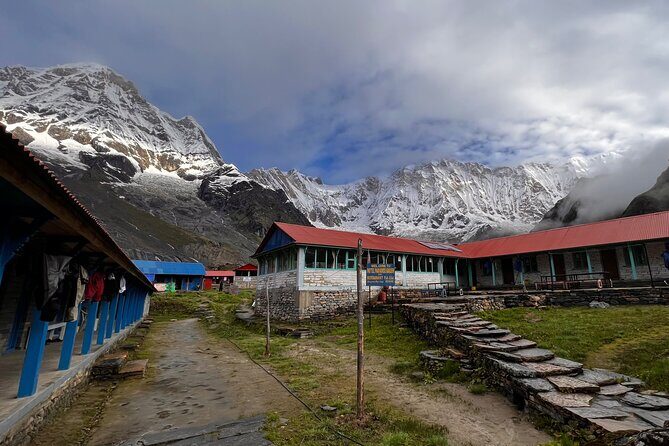
Day 5 is the main event. You start after breakfast, walk until you reach MBC (Machhapuchhre Base Camp) in about 3 hours, stop for lunch there, and then continue for roughly 2 hours to reach ABC.
That structure is smart because MBC acts like a mental and physical staging point. You get a break, a lunch, and then a final push. The route also sets up the day so you aren’t arriving at base camp only to sleep immediately. You get to enjoy the evening.
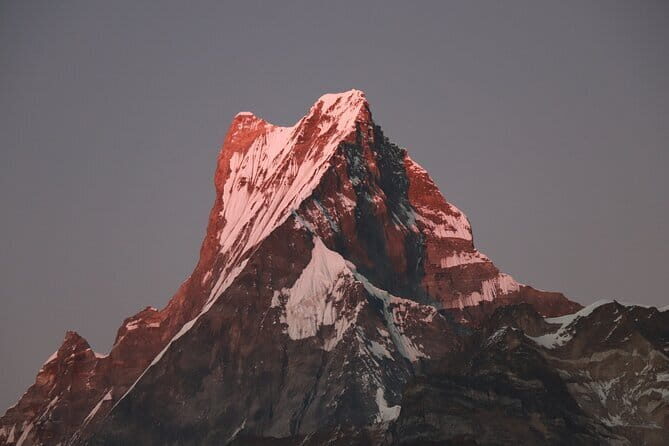
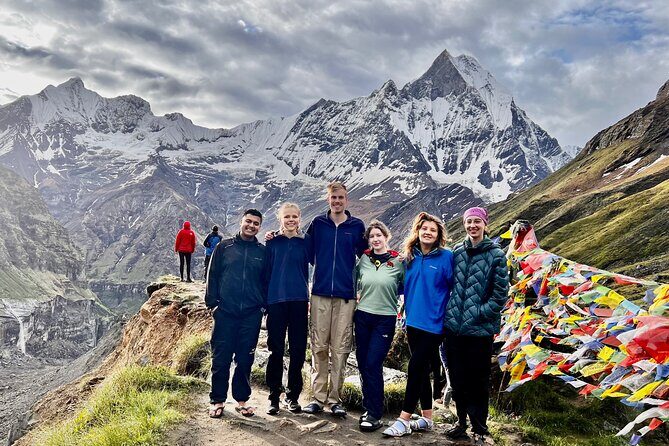
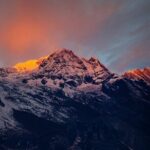
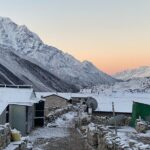
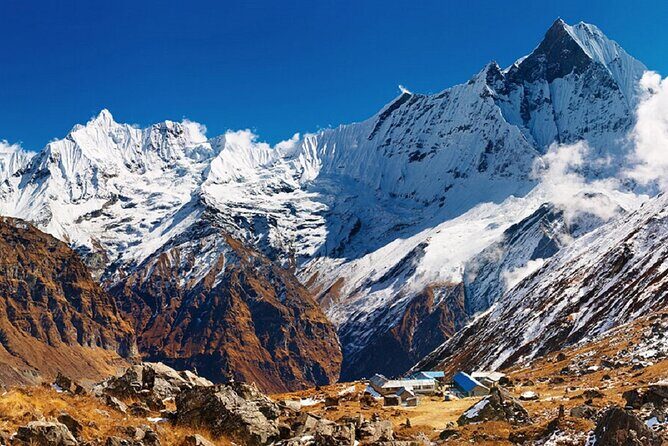
The most vivid part is the sunset plan. You’ll have evening views of a set of peaks listed in the schedule: Annapurna I, Gangapurna, Annapurna South, Himchuli, Annapurna III, Gandarvachuli, and Machhapuchhre (Fishtail). Even if weather limits what you see, the schedule still gives you a proper window for that classic late-day mountain light.
One reality check: base camp weather can be fickle. If clouds roll in, views can shrink fast. Don’t interpret that as failure. It’s part of the Himalayas. The best move is to trust your guide and use the time you have at ABC for photos, short walks, and simply absorbing where you are.
ABC sunrise and the descent: why downhill can be harder than you expect
Day 6 starts early for sunrise views over the Himalayas range, then breakfast. After that, you begin descending down to the bamboo area for 5 to 6 hours.
This is the day where your knees do the complaining. People often assume the hardest part is climbing to base camp, but the downhill can be more punishing on your joints because your muscles are working to control each step. If you’re planning trekking poles, this is exactly when you’ll want them.
If you’re thinking about pace, this is also where your guide’s judgment matters. Descent pace impacts energy and comfort more than you might expect, especially if you’re moving toward a night that’s not right at the end of the trek.
Back to Jhinu Danda and down to Pokhara: rest that feels earned
Day 7 shifts gears. You wake up, have breakfast, then head back toward Jhinu Danda for lunch. After lunch, the vehicle comes to pick you up from Pokhara side and you go to Pokhara, with about 2 hours of driving listed.
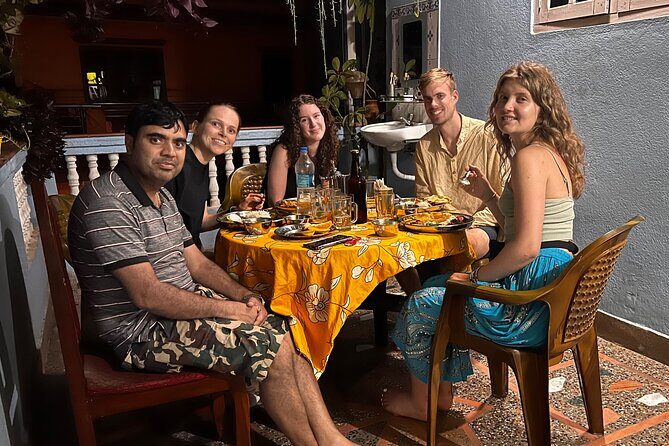
Once you arrive in Pokhara, you get downtime: relax at your hotel, spend time around Phewa Lake, and enjoy good food in the evening. This isn’t just a break from hiking. It’s where you reset your body—because the final road day to Kathmandu is still ahead.
Also, keep in mind what’s not included: personal expenses like Wi-Fi, hot and cold beverages, bar bills, and hot showers are on you. So when you’re relaxing in Pokhara, budget for the comfort upgrades you care about.
Kathmandu return by tourist bus: the last long travel day
Day 8 brings the overland return to Kathmandu. You take a taxi to the bus station, then travel via tourist bus for 6 to 8 hours. Lunch is planned on the way, and you reach Kathmandu for hotel relaxation.
This day is fairly straightforward, but it’s also a good day to keep your plans light. You’ve already hiked and descended; you don’t need extra late-night activities to ruin sleep quality before departure.
Day 9 is your final departure home. The experience ends back at the meeting point in Kathmandu.
Price and value: what $700 covers, and what you still need to budget
The price is listed as $700 per person for this roughly 9-day private trek package. To judge value fairly, don’t only look at the base cost—look at what’s included that would otherwise cost you time or money.
Included items that add real value:
- Trek permits (explicitly included)
- Professional guide and the guide’s expenses
- Round-trip tourist bus between Kathmandu and Pokhara
- Transportation between Pokhara and Jhinu and back
- Accommodations: 2 nights Kathmandu + 2 nights Pokhara on B/B
- Meals on trek days (breakfasts, lunches, and dinners are listed across the trip)
- Trekking map and an achievement certificate
- Seasonal fruits during the trek
- Evening farewell dinner after the trekking
What’s on you:
- Visa: Nepal entry visa at the airport is listed as USD 40 for 30 days
- Tips for drivers and trekking staff
- Emergency evacuation (not included)
- Personal spending like Wi-Fi, drinks, and hot showers
Is $700 expensive? Not for a guided, permit-handled package with city nights and transport built in. It becomes a stronger deal if you’d otherwise have to book guide + permits + transfers separately. It’s less of a bargain if you’re already planning to travel independently inside Nepal and you only need a small part of what’s bundled.
Who this private ABC trek suits best
This fits well if you want:
- A private group (your group only)
- A guided plan that can be adjusted to your pace (the guidance quality shows up in the feedback)
- A structured route from Kathmandu to base camp and back, without you managing every transfer
It may not fit if you:
- Want a very short day-by-day hiking total (some days are long in the schedule)
- Are extremely sensitive to long road days (Kathmandu to Pokhara is about 9 hours, then 6–8 hours back)
- Need guaranteed clear skies at ABC (views depend on weather)
In terms of fitness, the trip is listed for moderate physical fitness level, which makes sense for a trek that includes steep segments plus long walking days. If you can handle uphill/downhill and keep a steady pace, you’ll likely do well.
Practical tips that can make or break your comfort
A few things I’d do based on how this route is paced and where it spends time:
Pack for cold nights and weather changes. Even if the trek has forest sections, you’re going to ABC where temperatures can drop hard at night and early morning.
Plan your walking pace before speed. On Days 3–6, you’ll benefit more from consistent movement than from pushing hard. Your guide should help manage this, and people have appreciated that approach.
Budget small spending money. Extra drinks, Wi-Fi, and hot showers are not included. If you don’t plan for it, it’s easy to feel surprised in Pokhara or at tea houses.
Bring simple comfort tools. Trek shoes with grip matter for steep dirt and stone steps. If you have sensitive knees, consider trekking poles early rather than waiting until Day 6.
Should you book this Annapurna Base Camp private short trek?
I’d book if you want the ABC payoff with less hassle. The package covers key friction points—permits, guide support, transport between Kathmandu and Pokhara, plus the trek logistics that can take time to coordinate on your own. You also get explicit mountain moments built into the plan, especially the sunrise and sunset windows around ABC.
I’d think twice if you’re not ready for long trekking days or the reality that base camp views can be limited by clouds. In that case, you’ll still have a meaningful trek, but your expectations should focus on the experience of getting there, not only on a perfect view every hour.
If you’re aiming for a well-organized private trek that balances hiking with real recovery time in Pokhara and Kathmandu, this one is a strong bet.
FAQ
Where does the tour start and end?
It starts in Thamel, Kathmandu (44600, Nepal) and ends back at the meeting point.
How are you picked up from the airport?
You meet a representative near Tribhuvan International Airport, often in the arrival hall or outside the terminal. You should look for a signboard or someone holding a placard with your name or the hiking company name.
What time does the trek start?
The start time is listed as 7:00 am.
Is the trek private?
Yes. It is listed as a private tour/activity, and only your group participates.
What transport is included?
Round-trip transportation by tourist bus between Kathmandu and Pokhara is included, plus transportation from Pokhara to Jhinu and back.
Are trekking permits included?
Yes. The package includes all required trek permits.
What meals are included?
Breakfast (9), lunch (7), and dinner (6) are listed as included.
Where do you stay before and after trekking?
The package includes 2 nights accommodation in Kathmandu and 2 nights in Pokhara on a bed-and-breakfast plan.
Do I need a Nepal visa?
Yes. A Nepal entry visa can be obtained at the airport for USD 40 for 30 days.
What if my plans change and I need to cancel?
You can cancel up to 6 days in advance for a full refund. Canceling 2–6 days before the experience gives a 50% refund. Less than 2 days before the start time is not refunded.