REVIEW · KATHMANDU
Cook and Eat: Cooking Class in Kathmandu near Thamel
Book on Viator →Operated by Shepherd Holidays · Bookable on Viator
Cook, eat, and learn Nepali fast. This class in Kathmandu near Thamel turns a simple meal lesson into a full morning-to-afternoon style routine: tea or coffee, a guided start with staff, then a market ingredient visit before you cook. I also like how the chef and team explain what you’re doing in clear English, so you can actually follow along instead of guessing.
What really made it feel worthwhile is the freedom to choose any three dishes from the menu and get hands-on help during the prep and cooking stages. You’re not just watching from a corner; you’re working with ingredients, cooking with a chef, and then eating what you made with the group.
One thing to consider: there’s no private vehicle pickup/drop-off included. If you’re coming from farther out (or you prefer door-to-door convenience), plan on using the meeting point area or paying extra for transport.
In This Review
- Key things to know before you go
- Price and Time: What $24 Buys in Kathmandu
- Getting There Near Thamel: Meeting Point and Timing
- The Welcome Moment: Tea/Coffee, Staff Intro, and Your Menu Choices
- The Market Walk: A Guided Ingredient Search You Can Actually Use
- Cooking with the Chef: Prep, Cutting, and Real Hands-On Steps
- Serving and Eating: The Point Isn’t Just Cooking
- Logistics That Matter: Where You End Up and How Support Works
- Who This Cooking Class Is For (and Who Should Skip It)
- Weather, Cancellations, and Planning Your Day
- Should you book this Kathmandu cooking class?
- FAQ
- What is the duration of the cooking class?
- How much does the cooking class cost?
- Where does the class meet in Kathmandu?
- Do I need to bring my own ingredients or equipment?
- How many dishes do I cook?
- Is there a market visit during the class?
- Is pickup and drop-off included?
- Are beverages included?
- What happens if the weather is bad?
- Is there a group size limit?
Key things to know before you go
- Choose 3 menu items and build your own mini Nepali feast
- Local market visit with a guide to find the ingredients you’ll cook with
- Chef-led prep and cooking with an instructor and helper in the kitchen
- All ingredients and equipment included, plus the food and drink you prepare
- Small group limit (max 15), with the chance of an even smaller setup
- Ends back at the meeting point, and the team helps ensure you get back
Price and Time: What $24 Buys in Kathmandu
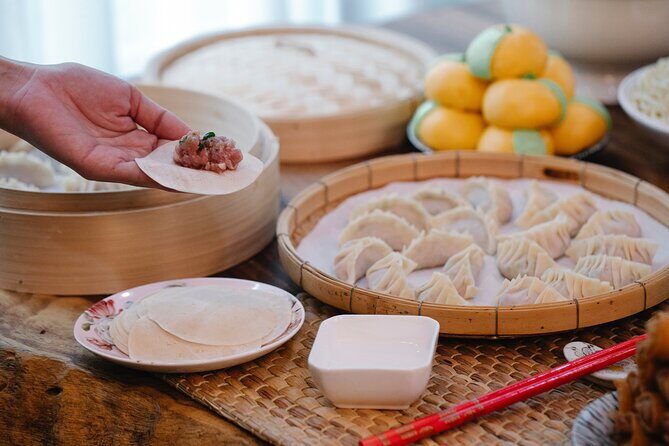
For $24 per person, you’re getting about 3 hours of structured cooking time, not a quick demo. The value comes from what’s included: ingredients, all equipment, an instructor and helper, and the food and drink prepared during the class. In a city where cooking tours can turn into mostly “watching,” this one keeps you busy from the first prep step.
You also get a clear flow. The class is broken into distinct parts: tea/coffee and introductions, choosing dishes, a guided market stop, hands-on cutting and cooking with the chef, then serving and eating. That rhythm matters because it reduces waiting around and helps you remember what you did and why.
The only major cost surprise to watch for is outside-the-class spending. Accommodation and personal expenses aren’t included. Also, beverages are listed as not included, even though the schedule includes tea/coffee as part of the class. So if you want soda, bottled drinks, or anything beyond the tea/coffee moments, assume that will cost extra.
A few more Kathmandu tours and experiences worth a look
Getting There Near Thamel: Meeting Point and Timing
This activity starts at Shepherd Holidays, Yapikhya Marg, Kathmandu 44600, Nepal, and it ends back at the same meeting point. The practical upside is you’re not stuck hunting for a new drop location after cooking, and you can plan your afternoon without major transit headaches.
If you’re staying around Thamel, this is one of the reasons the class feels easy to fit into a trip. It’s close enough to be a real option on a normal sightseeing day, not a full logistics project. Still, you should confirm your exact meeting time when you book, since the tour runs on a set schedule and the kitchen steps move in sequence.
Group size is capped at 15 travelers, and at least some bookings have been small (one recent setup was just three people). Smaller groups tend to mean more attention during prep, plus quicker feedback when you’re deciding how to handle the ingredients.
The Welcome Moment: Tea/Coffee, Staff Intro, and Your Menu Choices
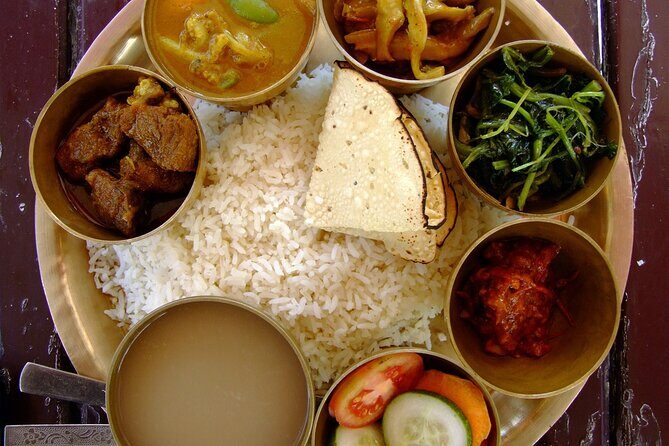
The first part is simple and effective. You’ll be welcomed with tea or coffee, meet the staff, and get a quick introduction before picking your food. Then you choose three items from the menu.
That “choose three” rule is what keeps the class flexible. You can tailor the meal to your tastes, pick a mix of heavier and lighter options, and avoid getting stuck with dishes you don’t care about. One of the best parts of this setup is that it creates a learning path: you’re practicing more than one technique during the same session, because different dishes usually require different prep steps.
This is also where you’ll see whether you’re in a group that wants full hands-on time or prefers to work with fewer tasks. The format supports both. If you’re confident in the kitchen, you can stay active. If you’re new, you can follow along step by step and still be part of the workflow.
The Market Walk: A Guided Ingredient Search You Can Actually Use
After you pick your three dishes, you go to a local market with a guide for ingredients. This is more than a photo stop. It turns what could be a vague cooking class into something you can recreate later, because you’re learning what to look for and how ingredients get sourced.
Why this matters: once you’ve seen the ingredient selection in real life, the cooking feels less mysterious. You stop thinking of Nepali food as something you only eat at restaurants and start seeing it as recipes built from ingredients you can track down.
A guide also helps with practicalities you might miss on your own—like what’s important for your chosen dishes and how to communicate what you need. Even if you don’t plan to shop the same way at home, the market experience gives you a “map” for the ingredients involved.
Tip for you: if you’re sensitive to strong smells or crowds, the market part is the one portion to mentally prepare for. It’s not a long trek, but it is an active ingredient-gathering moment.
Cooking with the Chef: Prep, Cutting, and Real Hands-On Steps
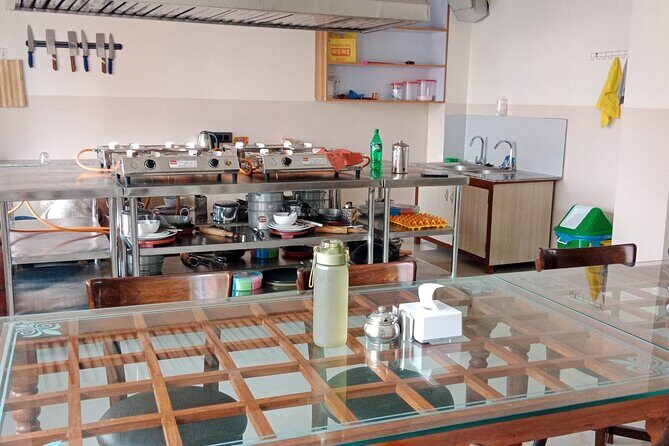
Back in the kitchen, the work starts with cutting and preparing ingredients. Then cooking begins with the chef, while the instructor and helper support you along the way. This structure is worth paying attention to, because it separates the “prep” stage from the “cook” stage. That makes it easier to follow the process and understand the timing.
In some recent sessions, the chef team included Chef Vikram and Kamal, and the cooking environment has been described as professional. Even if your dish choices differ from someone else’s, the format should feel consistent: you’ll be guided through getting the ingredients ready, then cooking them through to the finish.
One thing I appreciate about this style of class: you learn skills in the order you’ll actually use them at home. Instead of random tips, you practice the steps while you’re doing them. You also get to ask questions while things are in progress, which is usually when answers are most useful.
You can also read our reviews of more cooking classes in Kathmandu

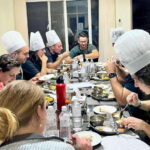
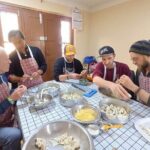
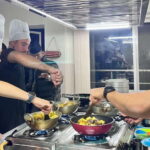
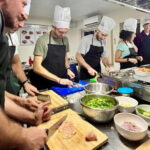
Serving and Eating: The Point Isn’t Just Cooking
After cooking, you’ll serve and savor the prepared cuisines. This part can sound basic, but it’s where cooking classes either click or fall flat. Eating what you made gives you immediate feedback on seasoning, texture, and how the dish should feel when it’s done.
You also share the meal with the group, which adds a social angle without turning the session into a party. Since the group size is limited to 15, and sometimes smaller, the dining portion doesn’t feel chaotic.
The class also includes tea/coffee before departure, which is a nice reset after the cooking heat. It gives you a moment to slow down, talk with the staff, and ask any lingering questions before you leave.
Logistics That Matter: Where You End Up and How Support Works
The activity ends back at the meeting point. That means your day planning stays clean: no need to figure out a new location after you’ve cooked, eaten, and cleaned up your hands and sleeves.
Pickup and drop-off by private vehicle isn’t included, though transport is available for an extra charge. So if you rely on a ride, plan for that cost early rather than last minute.
Also, there’s a helpful layer of team support. In at least one case, the manager helped ensure the participant got back to their hotel. That kind of follow-through is exactly what makes a class feel comfortable when you’re in a new city.
Who This Cooking Class Is For (and Who Should Skip It)
This class is a great fit if you want a structured, hands-on way to learn Nepali cooking without committing to a full-day course. You’ll like it if you:
- enjoy cooking and want to practice prep and cooking steps
- like the idea of a guided market visit paired with actual food work
- want clear guidance in English
- prefer a small group cap to get attention
It may be less ideal if you’re hoping for a private, one-on-one lesson, or if you strongly want door-to-door pickup included in the price. The format is designed around a shared schedule, and that’s the trade-off.
If you’re short on time, this is still manageable at three hours, especially near Thamel. But if your schedule is unpredictable and you need total flexibility, you’ll want to choose your time slot carefully.
Weather, Cancellations, and Planning Your Day
This experience requires good weather. If it’s canceled due to poor weather, you’ll be offered a different date or a full refund.
For peace of mind, the cancellation terms are straightforward: free cancellation up to 24 hours in advance. If you cancel less than 24 hours before the start time, the amount paid isn’t refunded. Changes within 24 hours aren’t accepted.
So here’s the practical move: book early enough that you can adjust your plan if the forecast turns rough, and keep this class in a slot where you can swap dates if needed.
Should you book this Kathmandu cooking class?
I think you should book if you want a simple, high-value way to learn Nepali cooking skills in a short window. The $24 price makes sense because you’re not paying just for a recipe list—you’re paying for guided prep, cooking instruction, included ingredients and equipment, and the meal you create. Add in the market ingredient visit and the small-group limit, and it becomes more than a souvenir experience.
Skip it only if you need included private transport, or if you prefer a food lesson that’s mostly observation with minimal hands-on work. This one is built for participation.
If you’re in Kathmandu and you can make it near Thamel on time, this is an easy yes.
FAQ
What is the duration of the cooking class?
The cooking class lasts about 3 hours.
How much does the cooking class cost?
It costs $24.00 per person.
Where does the class meet in Kathmandu?
The meeting point is Shepherd Holidays, Yapikhya Marg, Kathmandu 44600, Nepal.
Do I need to bring my own ingredients or equipment?
No. Ingredients and all equipment to prepare food are included.
How many dishes do I cook?
You choose any three items from the menu.
Is there a market visit during the class?
Yes. You visit a local market with a guide to get ingredients.
Is pickup and drop-off included?
No. Pick up & Drop off by a private vehicle is available for an extra charge, but it is not included.
Are beverages included?
Food & drink prepared during the class are included, but beverages are listed as not included. Tea/coffee are part of the class flow.
What happens if the weather is bad?
This experience requires good weather. If it’s canceled due to poor weather, you’ll be offered a different date or a full refund.
Is there a group size limit?
Yes. The activity has a maximum of 15 travelers.