REVIEW · KATHMANDU
Everest Base Camp Trek with Helicopter Return – 10 Days
Book on Viator →Operated by Breakfree Adventures Pvt. Ltd. · Bookable on Viator
Everest starts with a short flight, not a long drive. This 10-day trek is built for speed and altitude sense: you hike in via the Everest region and then trade the backtrack for a helicopter ride back to Kathmandu. I like the way the trip handles the heavy lifting up front, with pre-arranged logistics like flights to Lukla, guesthouse stays, permits, and transfers. I also like the small-group setup (max 15) and that you get an English-speaking guide plus porters to manage the load. One consideration: since the big helicopter moment depends on weather, you’ll want a bit of flexibility, because the experience needs good conditions to run smoothly.
You’ll pass through classic Khumbu waypoints and get scheduled acclimatization, not just a straight-line grind. Namche Bazaar gets a pause for views and checking in on how you feel at altitude, and you’ll also get the signature Everest viewpoints like Tengboche, Gorakshep, and Kala Patthar. The overall vibe is focused: you’re there for the walking, the mountains, and then the quick exit by air.
If you want a relaxed holiday rhythm, this may feel tight. The itinerary is packed enough that you’ll feel the altitude every day, even when the trails are friendly by trekking standards.
In This Review
- Key things to know before you go
- Enter Kathmandu: a clean start before the real climb
- Lukla flight and the Phakding trek: where the Everest route really begins
- Namche Bazaar gateway: pine forest, suspension bridge, and altitude checks
- Everest View Hotel acclimatization day: why you don’t want to skip it
- Tengboche and the monastery stop: the spiritual peak of the day
- Dingboche and Pangboche village: crossing into the upper valley feel
- Chola Lake and the push toward Dughla: the day that usually sorts out your pace
- Everest Base Camp day: Gorakshep first, then the main moment
- Kala Patthar and the helicopter: the stop that earns its hype
- Kathmandu again: the final handoff after the mountains
- The price question: what $3,400 covers (and why it can be good value)
- Guides and porters: where the smoothness tends to come from
- How to pack your expectations: included comforts vs. real-world limits
- Who this trek fits best (and who should think twice)
- Should you book this Everest Base Camp trek with helicopter return?
- FAQ
- What time does the tour start?
- How do flights and the helicopter fit into the schedule?
- What’s included for meals and lodging during the trek?
- What documents and permits are covered?
- Are Kathmandu meals and drinks included?
- Is there a minimum fitness level required?
Key things to know before you go
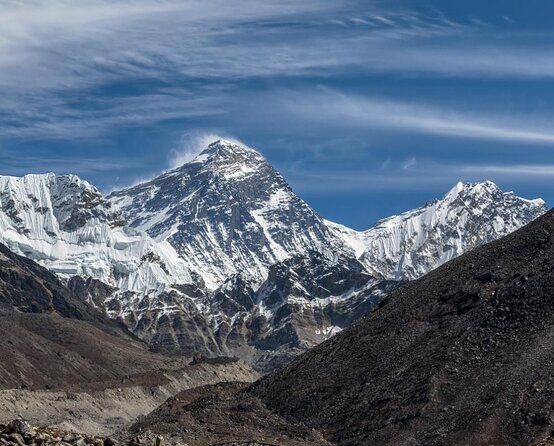
- Helicopter return from Kalapatar (Kalapathar): you skip hiking back the same route to Lukla.
- Small group max 15: easier pace control and less waiting on trail bottlenecks.
- Tea house accommodation + meals included on trek days: fewer decisions each morning.
- Permits handled: Everest Trek permit and TIMS card are included.
- Gear support is real: duffle bag, down jacket, sleeping bag, and walking pole are included.
- Acclimatization built into the schedule: Namche pause plus additional high-altitude stepping.
Enter Kathmandu: a clean start before the real climb
Day 1 is straightforward and useful. You land in Kathmandu, meet your team at the airport, and transfer to your hotel. After that, you get free time to rest or explore at your own pace, which matters because the next day starts early and includes a domestic flight.
This kind of “reset day” is more than comfort. It gives you time to handle small basics like cash for Nepal-related costs and making sure your passport documents are ready, so you don’t spend your first trekking day stressed.
You can also read our reviews of more hiking tours in Kathmandu


Lukla flight and the Phakding trek: where the Everest route really begins
On Day 2, you’ll drive to the domestic airport for the flight to Lukla, meet your trekking crew there, and then start walking toward Phakding. The trek begins with green scenery and views of Kusum Kangaru, and you’ll follow a route along the Dudh Koshi River.
Why I like this start: it’s a gentle ramp into the Everest region after you’ve already had the big travel day. You’re not immediately at the highest altitudes, and the scenery is varied right away, which helps keep your energy steady.
One thing to plan for: Day 2 is long on the schedule, so treat it like an effort day even if the trail feels good. Also remember Sagarmatha National Park is the protected area and UNESCO World Heritage Site for this region, so the entrance checkpoint steps are part of the experience.
Namche Bazaar gateway: pine forest, suspension bridge, and altitude checks
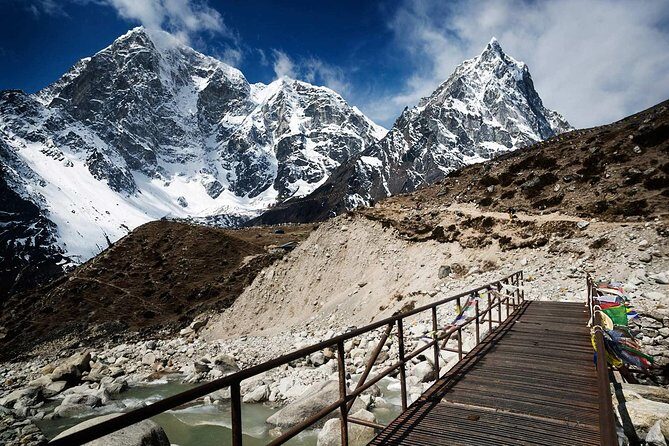
Day 3 is your classic Khumbu move upward. You trek through pine forest alongside the Dudh Koshi River, cross the Hillary suspension bridge, and then reach the Namche Bazaar area, which is the Sherpa capital and the gateway into the Everest region.
This day is where altitude starts to feel more serious. The bridge crossing is a memorable moment, but the real value is that you’re moving from “easy hiking mood” toward “watch your breathing” mode.
At Namche, you also get time for Sherpa culture with a stop at the Sherpa Museum. The museum time is listed, but admission isn’t included, so if you want it, budget extra. Still, even if you skip the museum, Namche is the hub where you’ll feel how the Khumbu communities are woven into every trekking route.
Everest View Hotel acclimatization day: why you don’t want to skip it
Day 4 is an acclimatization day based around Namche. You’ll hike toward Everest View Hotel for views of Mount Everest, and you’ll also travel via Syangboche on the way.
This is one of the most important parts of the itinerary for your safety and comfort. A day like this helps your body adjust to altitude changes before you push deeper into the higher valleys. It also gives you a chance to spot early signs of altitude stress, so you can communicate with your guide and adjust your pace if needed.
If you’re the type who wants every day to be about distance, this may feel slower. But that’s the point. You’re stacking comfort now so you can enjoy more later.
Tengboche and the monastery stop: the spiritual peak of the day
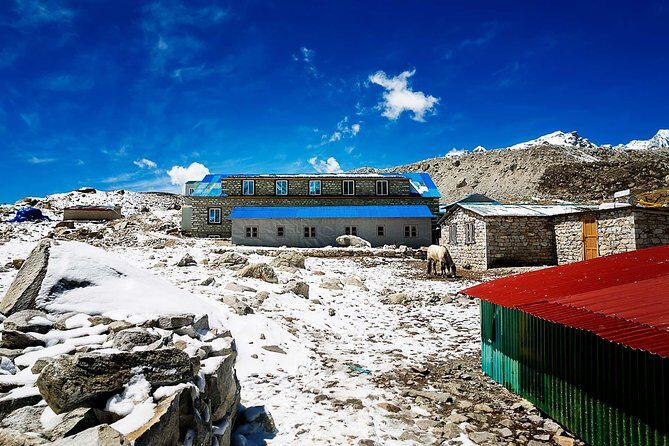
Day 5 brings you toward Tengboche. The route includes sections with ups and downs, passes Kayangjuma and Sanasa, crosses the Dudh Koshi bridge, and climbs to the Tengboche area. Tengboche is en-route to Everest Base Camp and is known for the largest monastery in the Khumbu region.
Practically, this is a day you’ll likely remember visually even if you don’t plan to photograph everything. Tengboche is a “landmark stop” where the trail, altitude, and architecture all come together.
Also, note that the itinerary description suggests a rougher climb after some smoother sections. So if you’re easily discouraged by short steep stretches, pace yourself early, not at the top of the hill when legs are already tired.
A few more Kathmandu tours and experiences worth a look

Dingboche and Pangboche village: crossing into the upper valley feel
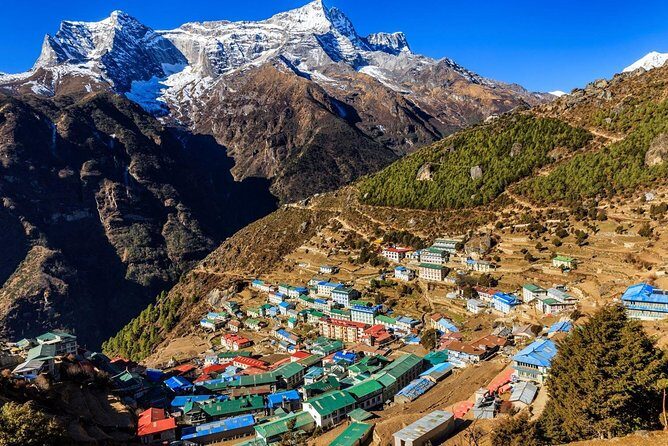
Day 6 continues your upward journey to Dingboche, with a stop that helps you acclimatize. You’ll pass chortens and mani walls and go through small villages, cross the Imja Khola, and reach Pangboche village around 3900m before moving onward.
Then you descend to Lo… (the itinerary text cuts off there), but the key pattern is clear: you’re moving through the Imja Valley area and stepping toward higher elevations. Dingboche is listed as a small village with one stop for acclimatization, which again matters for your body more than your motivation.
If you’re prone to rushing when you feel good, this is where you should resist it. Altitude punishes fast decisions, and your guide is there to keep you moving in a sustainable way.
Chola Lake and the push toward Dughla: the day that usually sorts out your pace
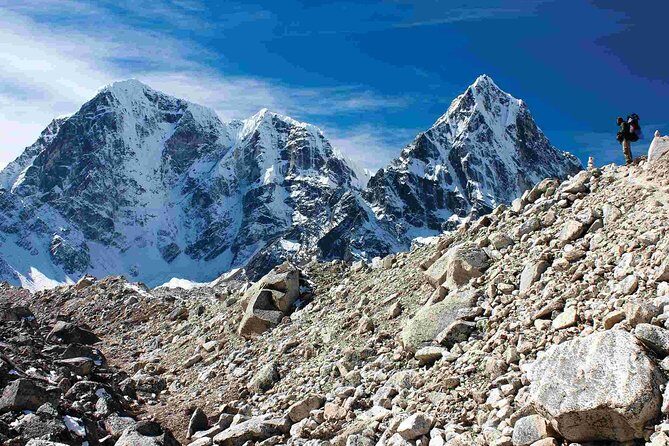
Day 7 is a climb through Khumbu Khola Valley toward Duglha (spelled Duglha/Dughla depending on how the itinerary renders). You’ll pass areas like Dusa and Phulung Karpo, then reach Chola Lake. After a small bridge crossing, the trail ascends toward Duglha.
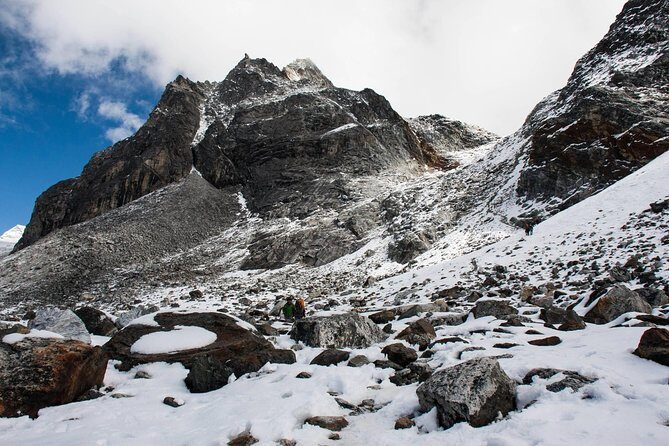
This day is described as still climbing in the itinerary, and you’ll be dealing with ups and downs at higher altitude. It’s the kind of day where “steady” usually beats “quick.”
One additional detail: the itinerary notes Lobuche Peak lies closer to Khumbu Glacier with two peaks (east and west). You don’t need to climb a peak to appreciate the way the glacier zone changes how the air feels, and this is part of that transition.
Everest Base Camp day: Gorakshep first, then the main moment
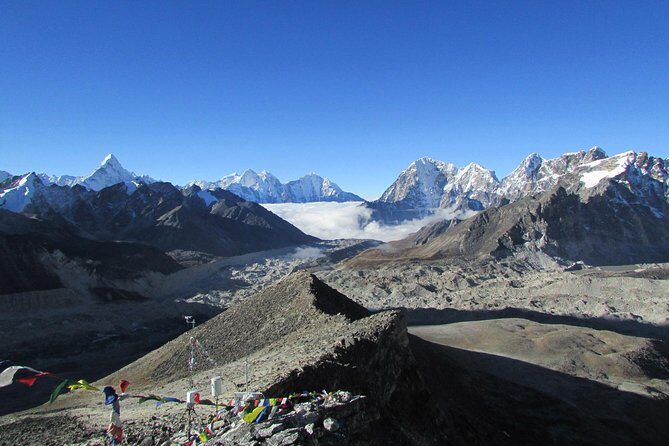
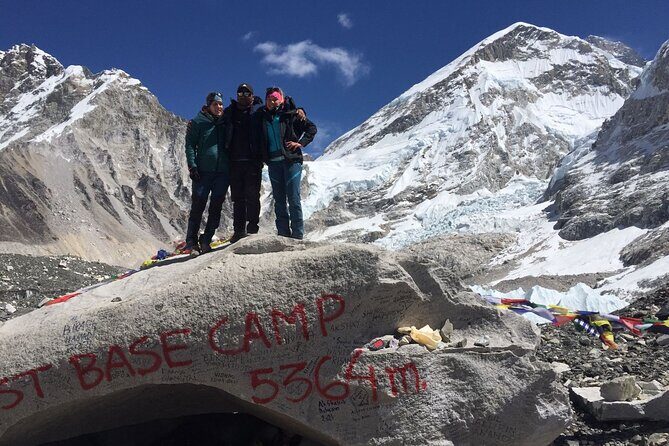
Day 8 is your day for reaching Everest Base Camp. After high-altitude hiking with many ups and downs, you’ll reach EBC and witness the Khumbu Glacier and icefall. Later, you return to Gorakshep.
This sequence is smart because it helps you make the most of the limited daylight window at higher elevations. The itinerary also includes that Mount Everest and Everest Base Camp are key visit stops with time allocated for looking around.
You’ll also sleep in the Gorakshep area again, which is the typical base-camp staging zone. The practical takeaway: your day starts early, your body is already acclimated compared with Day 1, and your main job is to focus on being present when you arrive.
Kala Patthar and the helicopter: the stop that earns its hype
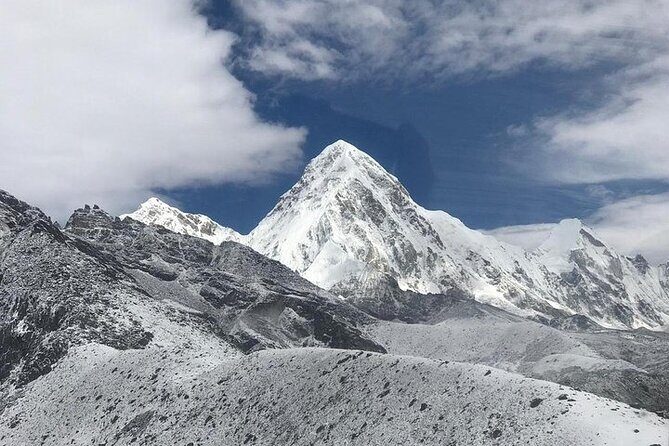
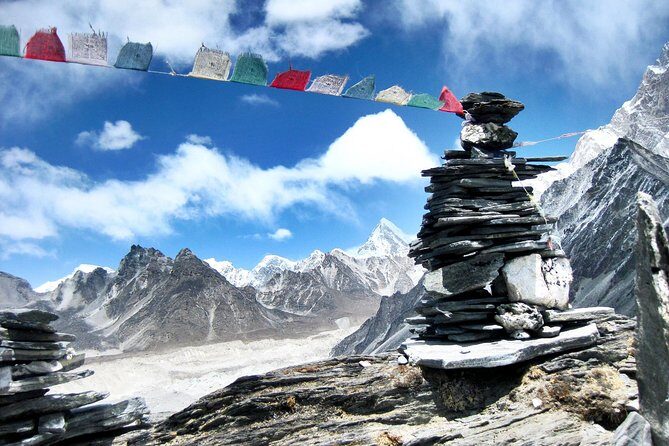
Day 9 is one of the emotional highs of the whole trip. You hike to Kalapathar for 360-degree panoramic views of the Khumbu mountains including Everest. After Kalapathar, you fly back to Kathmandu on a group sharing helicopter.
This is the “skip the backtrack” feature, and it’s not just a convenience. It changes the entire rhythm of your trip. Instead of spending extra days trudging down and up the same trail for the sake of logistics, you get one last big viewpoint, then you’re done.
The itinerary also highlights that Kalapathar has views of Everest and is a popular viewpoint, which lines up with why this day feels like a reward. You’ll want to keep your energy for it, because cold, altitude, and early starts can all stack up.
Kathmandu again: the final handoff after the mountains
Day 10 is the landing phase. After breakfast, you’ll be transferred to the international airport to catch your flight home or to your onward destination.
It’s a quiet ending, but that’s what you want after a big trek. You’ll likely feel a mix of tired and relieved, and the faster helicopter exit means you spend less time dealing with the physical toll of repeated trail walking.
The price question: what $3,400 covers (and why it can be good value)
At $3,400 per person for a 10-day Everest Base Camp experience with helicopter return, you’re paying for more than a guide and a route.
Here’s what’s explicitly included in the trip cost:
- Flights from Kathmandu to Lukla
- Helicopter flight from Gorekshep to Kathmandu (group sharing)
- Tea house accommodation during the trek
- Meals (breakfast, lunch, dinner) during the trek days
- An experienced English-speaking trekking guide and porters (notably listed as 1 porter for 2 trekkers)
- Everest Trek permit and TIMS card
- Airport transfers and Kathmandu hotel accommodation with breakfast
- Gear support: duffle bag, down jacket, sleeping bag, and walking pole
- Trekking map and a trip achievement certificate
That list matters when you compare to cheaper-looking options that leave out key costs like permits, Lukla flights, or the return helicopter. For this specific itinerary, the helicopter is the big cost driver, and it’s also the biggest quality-of-life change.
One caution on value: lunch and dinner in Kathmandu aren’t included, and drinks aren’t included either. So you should budget for Kathmandu meals and for the daily extras like phone use, charging, and hot showers that may show up depending on where you stop.
Guides and porters: where the smoothness tends to come from
The feedback around the guiding team is consistently positive, and you can see names pop up like Dipak, Ram, Rabi, Binayak, and Ramesh Sapkota. One message also specifically credits porters like Ram and Santos for helping with the duffle bag and overall support.
That fits how these treks work in reality. A great guide isn’t just a person who knows the route. They manage timing, altitude pace, and the small decisions that keep the group feeling organized. And porters matter because they let you carry less, which is a big deal when the days are long.
Also, the tour states that porters’ food, accommodation, salary, equipment, and insurance are included. That’s a good sign for how the operator thinks about logistics beyond just leading you through a checklist.
How to pack your expectations: included comforts vs. real-world limits
A few things are clearly built in:
- You get trekking meals and tea house accommodation during the trek.
- You’ll have a down jacket, sleeping bag, and walking pole provided.
- You’ll get airport transfers and the Kathmandu hotel baseline.
A few things are clearly not:
- Nepal entry visa fee isn’t included. You’ll need accurate USD cash and two passport photos for faster service.
- Lunch and dinner in Kathmandu aren’t included.
- Drinks aren’t included, including tea/coffee, hot chocolate, boiled water, bottle water, and other items like beer.
- Tips are expected but not mandatory.
Then there’s the one big “real world” factor: the experience requires good weather. Since helicopter and flights are part of the plan, you should expect that weather can affect timing and operations.
Who this trek fits best (and who should think twice)
This is best for you if:
- You want Everest Base Camp without the long backtrack grind, thanks to the helicopter return.
- You prefer a small group and value tight coordination.
- You’re aiming for an efficient 10-day plan that still includes acclimatization time.
It might not be best for you if:
- You dislike early starts and long trek days.
- You need maximum flexibility, because the plan depends on good weather for helicopters and flights.
- You’re hoping for downtime between trekking days. This schedule keeps moving.
Should you book this Everest Base Camp trek with helicopter return?
I’d book it if your priority is the classic Everest route with a smarter ending. The helicopter return is the standout value here, and the itinerary includes meaningful acclimatization stops so you’re not just paying for speed. On top of that, the cost includes key items that tend to blow up budgets later, like Lukla flights, permits, trek meals, and base gear.
I’d pause before booking if weather unpredictability would stress you out, or if you’re the kind of traveler who wants lots of slack time. When things go well, this format feels like a win: hike to the top of the itinerary’s world, then fly home before your legs demand a third act.
FAQ
What time does the tour start?
The meeting start time is 6:15 am.
How do flights and the helicopter fit into the schedule?
You’ll fly to Lukla from Kathmandu for the trek, and later you’ll fly back to Kathmandu by helicopter on a group sharing basis (from Gorekshep to Kathmandu).
What’s included for meals and lodging during the trek?
Tea house accommodation is included during the trek, along with meals (breakfast, lunch, and dinner) during the trek period.
What documents and permits are covered?
The trip includes the Everest Trek permit and a TIMS card.
Are Kathmandu meals and drinks included?
No. Lunch and dinner in Kathmandu are not included, and drinks are not included either.
Is there a minimum fitness level required?
You should have a moderate physical fitness level for this tour. The itinerary is physically demanding due to the altitude and trekking days.