REVIEW · KATHMANDU
Everest Three (High) Passes Trekking
Book on Viator →Operated by Three Jewels Adventures · Bookable on Viator
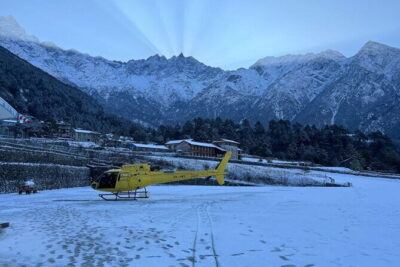
Three passes turns Everest into a real adventure. Everest Three (High) Passes Trekking is for people who want more than a quick look at the Himalaya, with Mt. Everest sights plus long days of hiking and dramatic Khumbu Himalayan scenery.
I especially like how the trek is described as tough but not technical, so you can focus on stamina and high-altitude grit instead of ropes and climbing skills. A big plus is the cultural time with Sherpa communities, often supported by guides people remember by name, like Lok, Sashi, and even a welcoming reception by Suman.
The main consideration is simple: this is a serious trek with an extended stretch at high altitude, so if your fitness is only average, altitude can hit hard even with good trekking days. Start time is early, and the workload is real, even though you do not need technical climbing knowledge.
In This Review
- Key highlights worth your attention
- Everest Three high passes: why this trek feels different
- Kathmandu kickoff: starting at Tribhuvan at 6:15 am
- The rhythm of the trek: flight, hiking, trekking, and high passes
- High passes without technical climbing: what that really means
- Sherpa culture: the part that adds soul
- Your guide team: support you can count on
- Training and altitude: the real test
- Price and value: what $2,500 covers (and what to check)
- Who should book this trek (and who might want a different Everest route)
- Booking call: should you say yes to Everest Three high passes?
- FAQ
- FAQ
- Where does the trek start?
- What time does the experience begin?
- How long is the trek?
- Is this a private tour?
- Is pickup offered?
- Is there any technical climbing required?
- What kind of fitness level do I need?
- Will I receive confirmation after booking?
- If the trek is canceled due to weather, what happens?
- How much time do I have to cancel for a full refund?
Key highlights worth your attention
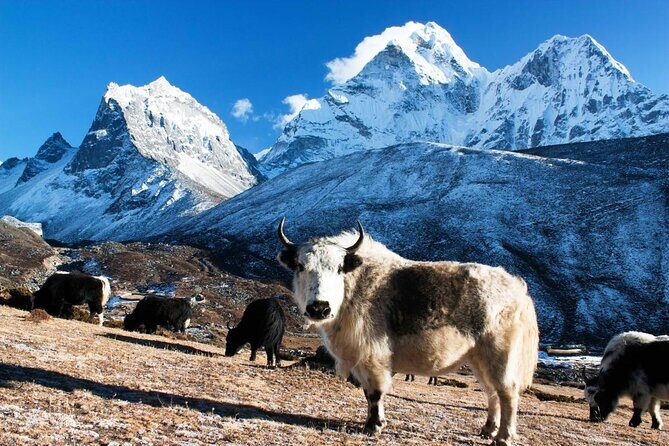
- High-pass adventure without technical climbing: you get the drama of high passes while skipping technical climbing skills.
- Mt. Everest and Khumbu views as the payoff: the trek is built around mountain panoramas, not just getting from A to B.
- Sherpa culture you can feel, not just pass by: cultural experiences are part of the point, not an add-on.
- Local guides with visible care: names like Lok and Sashi show up in real experiences, and the tone is consistently supportive.
- Strong fitness is the ticket: experienced hikers will feel at home; less-ready bodies may struggle.
- Private group experience: it’s only your group, so the pace and feel are more personal.
Everest Three high passes: why this trek feels different
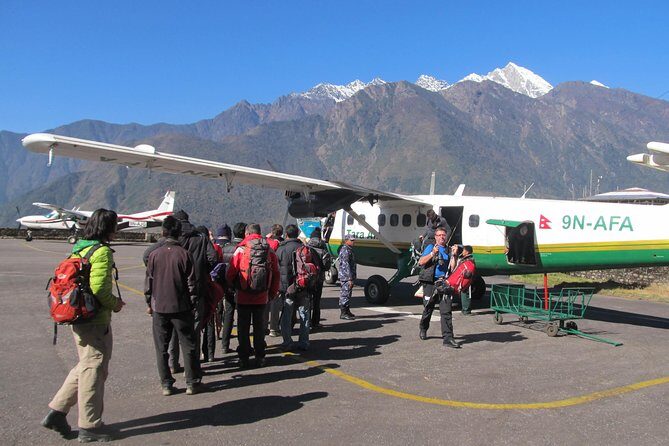
Most Everest-region trips give you a taste. This one is designed to make you earn it. The idea is straightforward: you go beyond the postcard view and spend days hiking through the Khumbu Himalayan region, crossing high passes and living in the rhythms of mountain travel.
I like that the pitch is honest about what it delivers. Yes, you see Mt. Everest. But the trek is framed as an adventurous route with a mix of short flight, trekking days, and pass crossings, which tends to create a sense of progression. You feel like you’re moving deeper into the region rather than just ticking boxes.
And because it is not technical climbing, your challenge is the kind you can train for: endurance, pacing, and staying calm when altitude makes everything harder. One review story summed it up in emotional terms, saying altitude hit like a ton, even when training had been intense. That’s the truth of this kind of trek. Your mind needs support as much as your legs do.
You can also read our reviews of more hiking tours in Kathmandu



Kathmandu kickoff: starting at Tribhuvan at 6:15 am
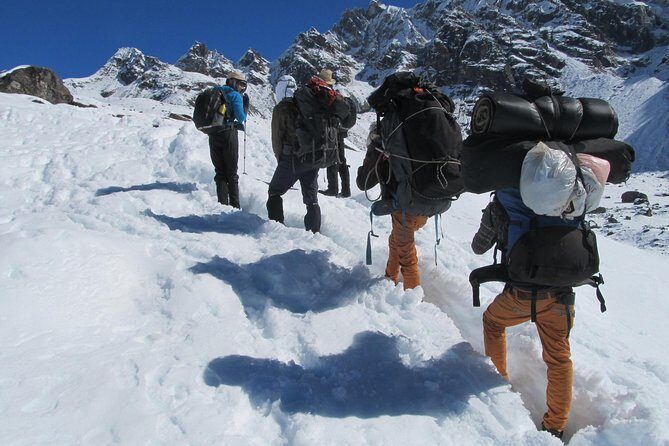
Your journey begins in Kathmandu at Tribhuvan International Airport, on Ring Rd (44600), with the start time listed as 6:15 am. For many people, the early start is what makes the first day feel “real” fast. You’re not spending the morning waking up and shopping for gear. You’re already on the move.
Pickup is offered, which matters because Kathmandu logistics can eat time if you’re doing everything yourself. And because the end of the activity returns you back to the meeting point, the plan is built around a full round-trip experience: you start at the airport area and end there too.
One more detail to note: you receive a mobile ticket and confirmation at the time of booking. That’s a practical benefit in Nepal, where having the right paperwork and details ready saves you from unnecessary back-and-forth.
The rhythm of the trek: flight, hiking, trekking, and high passes
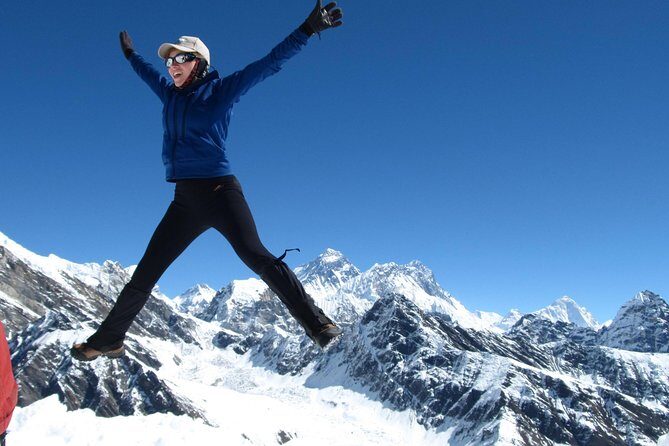
The trek is described as a blend of short flight, hiking, trekking, and high pass crossings. Even without every day’s exact map in front of you, you can plan for the feel of it:
- A flight element early on helps you bypass a chunk of distance and get you into the Everest region quickly.
- Hiking and trekking days build your rhythm. These are the days where you learn your pace and figure out what “slow and steady” really means at altitude.
- High pass days are the peak difficulty moments. They are not just scenic. They are physical work and mental focus.
In a high-pass trek, the passes are usually the story. The rest of the days are the supporting cast that gets you there safely. The value of a guided format is that you’re not constantly guessing how hard to push or how to adjust when the weather shifts.
You also want to take seriously that one review highlighted an extended period at high altitude. That doesn’t mean you should panic. It does mean you should plan for the long game: hydrate, stay patient, and avoid the urge to sprint uphill just because you feel good at the start of the day.
High passes without technical climbing: what that really means
The description is clear: you do not need technical climbing knowledge. That is a big relief for people who fear steep scrambling or gear-heavy routes.
But non-technical does not mean easy. High passes still demand:
- strong hiking legs
- solid pacing and breath control
- comfort with long days and steep stretches
- respect for altitude
In one of the experiences shared, the trek was called physically challenging, but the guide made a difference through support and flexibility based on circumstances. That matches what you want from a guide on a non-technical-but-hard route: smart decision-making when conditions change, rather than forcing a rigid plan.
If you’re coming from a background of trail hiking, you’ll likely appreciate that the goal is achievable with training. If you’ve only done casual day hikes, you should think twice and prepare hard before committing.
Sherpa culture: the part that adds soul
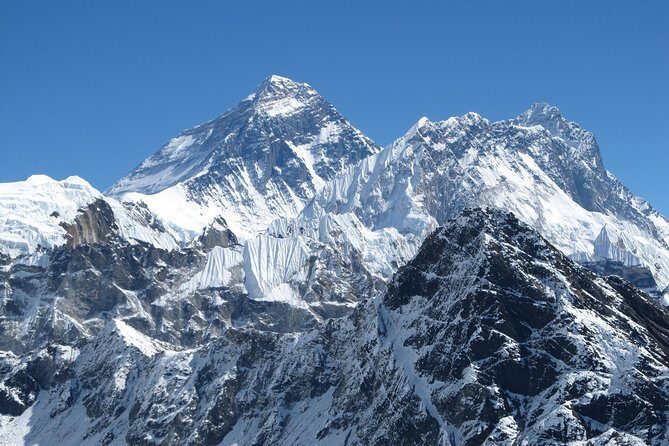
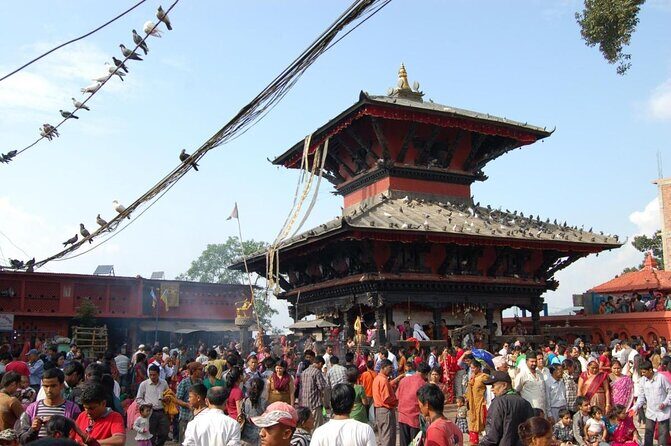
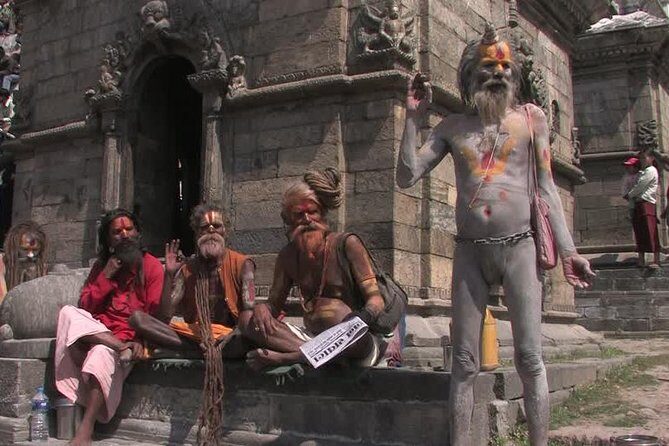
A mountain trek can become a checklist if you only care about views. Everest Three (High) Passes Trekking is positioned as a cultural experience too, specifically tied to ethnic Sherpa people and life in the Khumbu Himalayan region.
What’s valuable here is the balance. You’re not just climbing and moving on. You’re traveling through communities that have shaped their lives around these mountains for generations. Even if you don’t know a lot going in, the guided approach helps you connect the scenery to people and place.
Also, the reviews hint at the human side of the trek. People mentioned the reception by Suman as perfect, and they described guide support as crucial when altitude felt brutal. That kind of interpersonal care matters on a cultural trek because you tend to notice small things: how people talk about routes, how they read weather, and how they live with the mountains as neighbors.






Your guide team: support you can count on
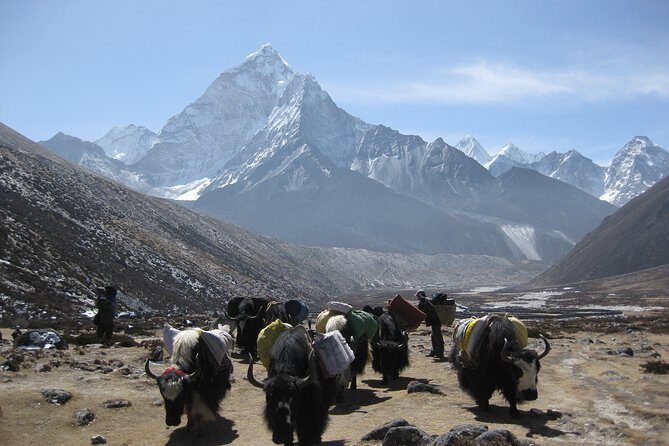
The provider is Three Jewels Adventures, and the framing is consistent: safe, satisfying trekking trips with professional, caring local Nepali guide staff. The reviews add color, including guide names like Lok and Sashi, and a reception contact named Amber in communications, plus Suman at the start.
Here’s why that matters for your planning. On a route that includes high altitude and high passes, your guide’s job is not just walking in front. It’s managing your group pace, watching how people are responding to altitude, and adjusting when the route or weather demands flexibility.
If you care about a trip that feels personal, you’ll also like the private tour setup: only your group participates. In a demanding trek, that can make a huge difference. You’re not stuck with a mixed pace of people who are all trying to solve the same climb in different ways.
Training and altitude: the real test
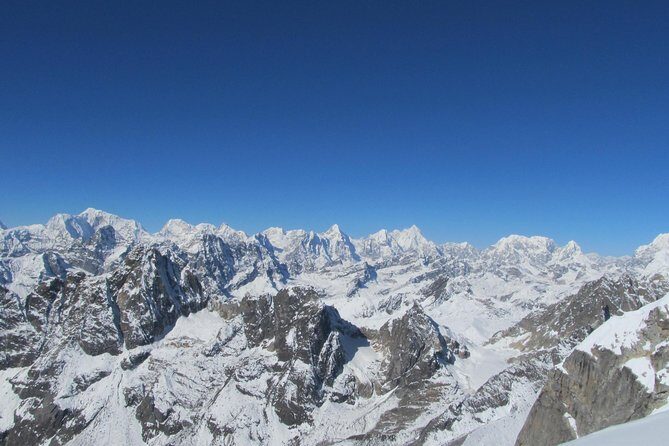
This trek asks for strong physical fitness. That’s not marketing language; it’s the foundation. The description explicitly says travelers should have strong physical fitness, and the vibe from the reviews is that experienced hikers will handle it better.
Altitude is the part you cannot fully train away. One shared experience described altitude hitting hard like a ton, even after training. That tells you what to plan for: you can be fit and still feel knocked around when elevation rises, especially if you go too fast too early in the trek.
So here’s my practical advice for you:
- Train your legs for steady uphill effort, not only short bursts.
- Expect fatigue to build. Your pace may change day to day.
- Keep your mind calm when breathing feels off. That’s not a sign you should push harder. It’s a sign you should stay disciplined.
The good news is that the trek is presented as non-technical. You’ll still be challenged, but the challenge is endurance and altitude management, not rock moves or rope skills.
Price and value: what $2,500 covers (and what to check)
The listed price is $2,500.00 per person for about 17 days. That’s not a budget trek. But it also isn’t a bare-bones hike where you fend for yourself.
Where value shows up in the info you have:
- Professional local Nepali guiding staff focused on safe, satisfying trips
- A route that combines high pass trekking and Everest region experience
- Pickup offered and a mobile ticket for smoother on-the-ground flow
- A private setup, meaning the experience is only your group
The biggest question for you is whether you want guidance on a high-altitude, high-pass route. If you do, then the price makes more sense. If you’d rather DIY and accept risk, you’ll save money but you take on the biggest responsibility yourself: planning pacing and altitude responses under changing conditions.
Also, duration matters. Seventeen days is enough time for the trek to feel like a true journey, not a weekend adventure. In that timeframe, a guiding team can be the difference between a stressful trip and one that feels manageable even when hard.
Who should book this trek (and who might want a different Everest route)
This trek is a strong match if you:
- have strong physical fitness and experience hiking
- want Everest views plus a serious trekking storyline
- feel comfortable with the idea of high altitude as a challenge to manage
- want cultural connection through Sherpa communities, not just scenery photos
It may not be the best fit if you:
- are hoping for a low-stress hike
- have limited high-altitude or long-day hiking experience
- want technical climbing skills avoided but also want minimal exertion (because this still involves demanding high passes)
One review mentioned a family hike including ages around 60 and early 20s, which suggests the trip can work across ages if everyone can handle the physical side and the group pace is managed well. Still, don’t let that trick you into thinking age alone determines suitability. Fitness and altitude response matter most.
Booking call: should you say yes to Everest Three high passes?
If your dream is Everest plus real trekking days, and you’re prepared to train for endurance and respect altitude, I think this is a strong booking choice. The combination of high passes, a focus on Khumbu scenery, and Sherpa cultural experiences creates a trip that feels purposeful.
I would only hesitate if you know your fitness is not yet where it should be. With high altitude in the mix, your body needs time to adapt, and the route asks for stamina over many days. If you’re not ready, it’s better to postpone and prepare than to gamble on willpower.
FAQ
FAQ
Where does the trek start?
The start point is Tribhuvan International Airport, Ring Rd, Kathmandu 44600, Nepal.
What time does the experience begin?
The listed start time is 6:15 am.
How long is the trek?
The duration is about 17 days.
Is this a private tour?
Yes. It’s a private tour/activity, and only your group will participate.
Is pickup offered?
Pickup is offered.
Is there any technical climbing required?
No technical climbing knowledge is required for this trek.
What kind of fitness level do I need?
You should have strong physical fitness.
Will I receive confirmation after booking?
Yes. Confirmation will be received at the time of booking.
If the trek is canceled due to weather, what happens?
If it’s canceled due to poor weather, you’ll be offered a different date or a full refund.
How much time do I have to cancel for a full refund?
You can cancel up to 24 hours in advance of the experience start time for a full refund. If you cancel less than 24 hours before, the amount paid will not be refunded.