REVIEW · KATHMANDU
Traditional Momo Making Class
Book on GetYourGuide →Operated by Namaste Cooking School · Bookable on GetYourGuide
Dumplings feel like a local secret in Kathmandu. This traditional momo making class at Women-Led Namaste Cooking School puts you in the hands of local women chefs, where you learn the steps that turn simple ingredients into a Nepali comfort food people actually celebrate with.
What I like most is the hands-on method: knead, fill, fold, and then eat what you made. You also get a welcome masala chai, which helps make the whole thing feel relaxed, not like a rushed cooking demo.
One thing to plan for: the class can run a little longer than the headline time, so don’t stack a tight schedule right after.
In This Review
- Key highlights to know before you go
- A women-led kitchen in Thamel
- From dough to pleats: how the class runs
- Ingredients and spices that make the difference
- The tasting moment (and why chai helps)
- Cost, timing, and getting there in Thamel
- Who this class is perfect for
- What to wear and bring so cooking feels easy
- Should you book this traditional momo making class?
- FAQ
- FAQ
- Where in Kathmandu does the class take place?
- How long is the traditional momo making class?
- What will I learn to do during the class?
- What is included in the price?
- Is a hotel pickup or drop-off included?
- Are the instructors available in English?
- What is the cancellation policy?
Key highlights to know before you go
- Women-led Namaste Cooking School in Thamel, with an emphasis on practical instruction
- Dough kneading + filling + folding all taught as a step-by-step skill set
- Fresh, locally sourced ingredients and authentic Nepali spices used in real recipes
- Taste the momos you shape, plus a welcome masala chai
- Clean, bright kitchen setup (including a rooftop feel in some sessions)
- English instruction with a trainer who keeps things fun, including music and the occasional dance
A women-led kitchen in Thamel
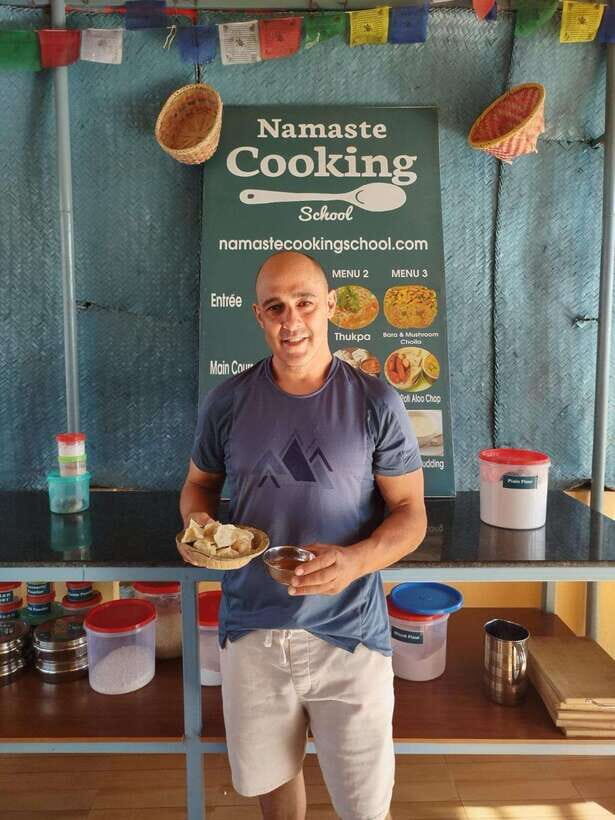
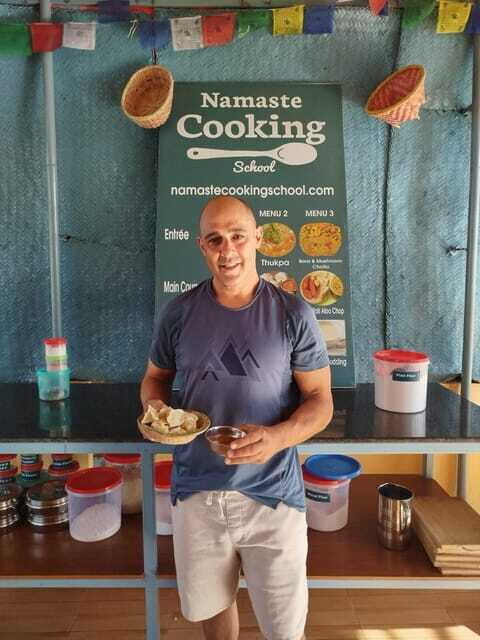
If you want Nepalese food learning that feels personal, not like a show, this momo class is a great fit. It’s hosted by Women-Led Namaste Cooking School in Thamel, the easiest area to reach when you’re staying in central Kathmandu.
You’ll be working alongside local chefs who explain each step while you do the work. That matters with momos, because the secret isn’t one magic spice—it’s getting the dough texture and the seal right.
A few more Kathmandu tours and experiences worth a look

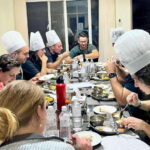

From dough to pleats: how the class runs
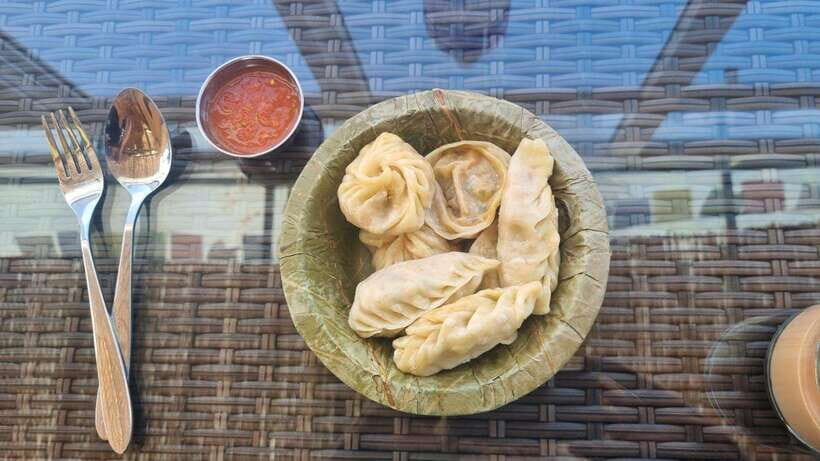
The flow is simple, and that’s the point. You start with momo dough, then move into fillings, and end with folding and shaping dumplings you can actually be proud of.
First, you knead the dough. This is where beginners often struggle, so the teaching focus is on getting the dough smooth and workable rather than complicated. Once you have a dough you can handle, the rest makes more sense.
Next comes the filling work. You’ll prepare the mixture using fresh ingredients and Nepali seasonings. The class keeps it practical—enough guidance so you know what you’re aiming for, without turning it into a chemistry lesson.
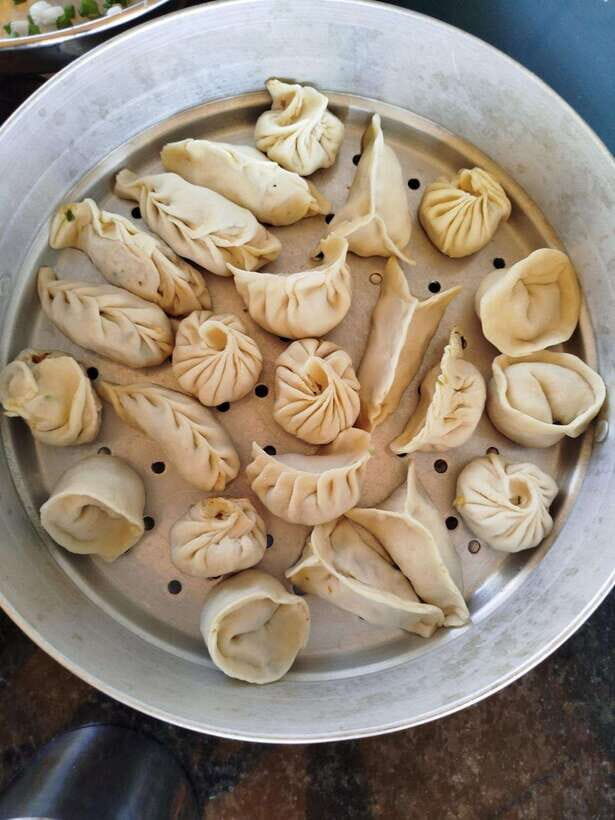
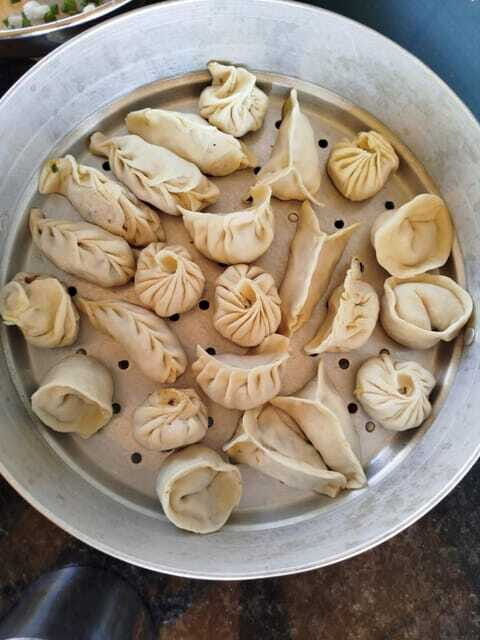
Then you fold. Momo folding is a technique with a rhythm: you portion, fold, press, and seal. You don’t just watch. You make your own, learn the pattern, and fix your own mistakes in real time—exactly what you want when the goal is to replicate it later at home.
Ingredients and spices that make the difference
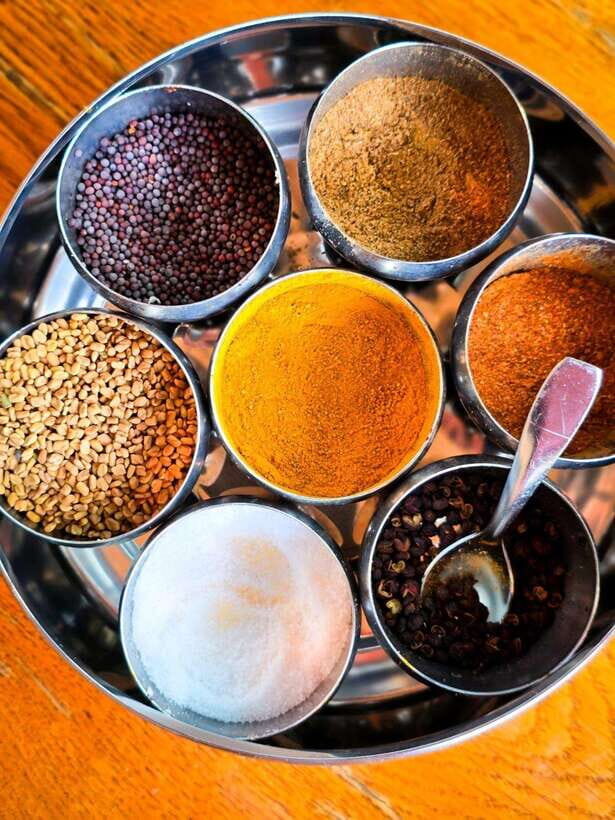
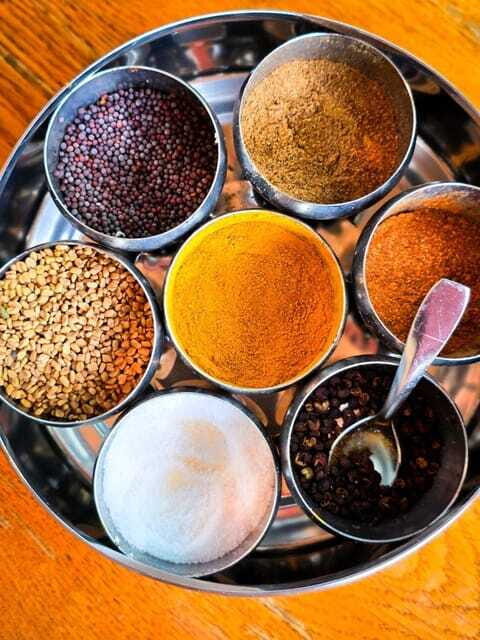
Momos taste like Nepal because they’re built from everyday ingredients treated with respect. In this class, you’re using fresh, locally sourced ingredients and authentic Nepali spices rather than packaged shortcuts.
That means you learn what each step contributes. You can taste how seasoning changes the filling, and you’ll notice how dough thickness affects the final bite. It’s the kind of cause-and-effect lesson that sticks long after your vacation.
And if you’re worried the class is only about technique, don’t. The flavor part is there too. The tasting at the end makes it clear what good momo building produces.
The tasting moment (and why chai helps)
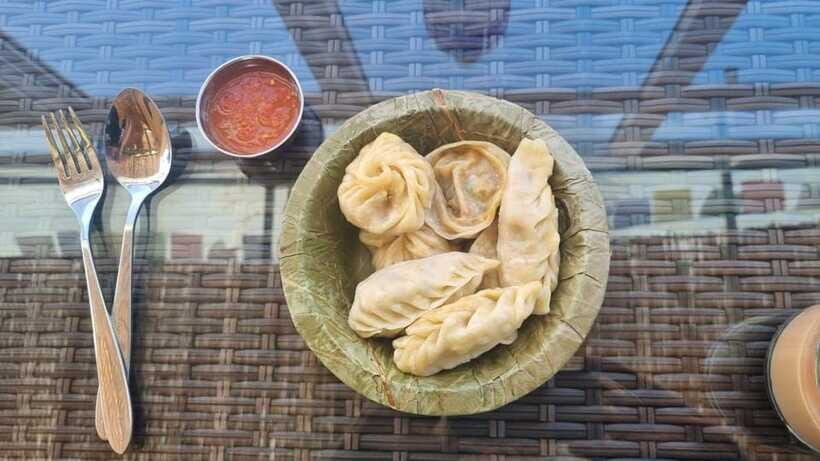
You finish by tasting the momos you made. This is the best kind of cooking class ending: you don’t leave hungry, and you get immediate feedback on your folding, dough, and seasoning.
A welcome masala chai sets the mood before you start. It’s a small detail, but it helps you settle in—especially if you’re the type who arrives a bit tense and then slowly warms up once you’re working.
Also, the energy tends to be upbeat and friendly. Some sessions include traditional Nepali music, and the room can get playful, with a bit of dancing. Not every second is a party, but it’s not stiff either.
Cost, timing, and getting there in Thamel
At $15 per person for about 1.5 hours, the value is strong—especially in Kathmandu, where food experiences can vary wildly in quality. Here, your money goes toward actual practice: ingredients, guidance, and a meal you make yourself.
The timing is the main planning item. The official duration is listed as 1.5 hours, but you should assume you may finish slightly later than you expect. If you have dinner reservations, give yourself breathing room afterward.
No hotel pickup is included. That’s normal in Thamel, and it’s also helpful: you can go at your own pace and arrive calm instead of waiting around for a transfer.





Who this class is perfect for
This is a great choice if you like learning by doing. If you’re someone who reads recipes and thinks, I’ll get it wrong, you’ll likely find the structure reassuring here because you work step-by-step with help on hand.
It’s also family-friendly. One parent even brought an 11-year-old, and the kid was actively chopping and folding with good results. That tells me the class can scale to different comfort levels, as long as everyone is game to get hands-on.
Food lovers will enjoy the cultural angle too. Momos have a special place in Nepali celebrations and everyday life, and the class helps you understand why they’re such a big deal beyond just being tasty.
If you’re a solo traveler, you’ll likely appreciate the social vibe—especially since the class is led by English-speaking women chefs who keep the room welcoming. And if you’re with friends, it’s a fun shared skill where you can compare your folds and laugh at the first imperfect batch.
What to wear and bring so cooking feels easy
Keep it practical. Wear comfortable clothing and shoes that won’t mind standing and moving a bit. The work gets hands-on, and you’ll be more relaxed if you’re not stuck adjusting sleeves or worrying about footwear.
Arrive about 10 minutes early. That buffer helps you settle, get oriented, and avoid feeling rushed right before the kneading starts.
You don’t need special equipment. The class provides what you need for momo preparation, including the ingredients and guidance—so your main job is showing up ready to get flour on your fingers.
Should you book this traditional momo making class?
If your goal is a genuine, learn-it-and-keep-it skill—this is an easy yes. The hands-on practice (dough, filling, folding), the use of fresh local ingredients, and the fact you taste what you make create a full experience for a fair price.
I’d especially recommend booking if:
- You’re curious about Nepalese food but want more than just eating
- You want a low-pressure way to learn a technique you can repeat at home
- You’ll enjoy a friendly, light atmosphere with English instruction
I might skip it if you hate any “get your hands in it” activities, or if your schedule is ultra tight and you can’t risk finishing a bit later than expected.
FAQ
FAQ
Where in Kathmandu does the class take place?
It takes place in Thamel, Kathmandu at the Women Led Namaste Cooking School (Bagmati Zone).
How long is the traditional momo making class?
The class duration is listed as 1.5 hours.
What will I learn to do during the class?
You’ll learn to knead momo dough, prepare the filling, and fold momos into traditional shapes.
What is included in the price?
Included are the 1.5-hour class, ingredients, guidance from experienced local chefs, tasting your handmade momos, and a welcome masala chai.
Is a hotel pickup or drop-off included?
No. Hotel pickup and drop-off are not included.
Are the instructors available in English?
Yes. The instructor language is listed as English.
What is the cancellation policy?
You can cancel up to 24 hours in advance for a full refund.