REVIEW · KATHMANDU
Ghorepani Poonhill Trek (6 Days)
Book on Viator →Operated by Sujan Ratna Shakya · Bookable on Viator
A good sunrise is everything in Nepal. This 6-day Ghorepani Poonhill trek blends real mountain viewpoints with village-life walking, then caps it in Pokhara with a classic Phewa Tal boat ride.
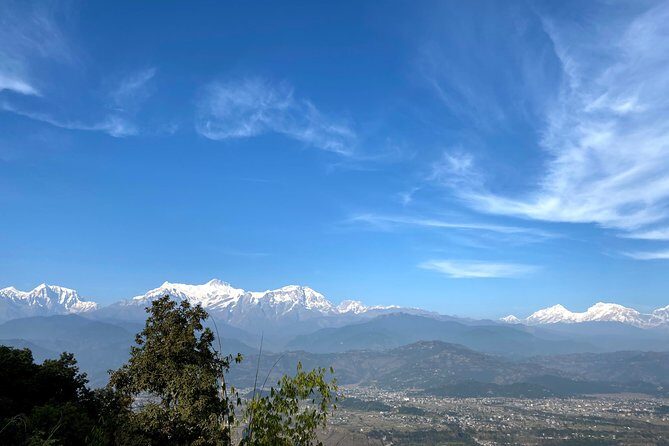
I like that it’s set up as a short trek you can handle, with permits, an English-speaking guide, and a porter included. I also like that your day planning protects the big payoff: the early push to Poonhill for views of Dhaulagiri, Annapurna, and Machhapuchhre on clear mornings.
One consideration: this route is weather dependent. If skies are hazy, you may miss the crisp mountain panorama you came for, even though the trekking still feels worthwhile.
In This Review
- Key highlights that matter
- Ghorepani Poonhill in Six Days: What the Trek Really Delivers
- Day 1: Manakamana Temple and a 12-Minute Cable Car Kickoff
- Days 2–3: Nayapul and Ulleri School on the Way to Ghorepani
- Day 4: Sunrise at Poonhill and the Walk Toward Ghandruk
- Day 5: Pokhara Reset With Phewa Tal Boat Ride and a Photo-Spot Temple
- Day 6: The 8-Hour 205 km Drive Back to Kathmandu
- Price and Value: Is $616.78 a Good Deal for This 6-Day Setup?
- The Guide Factor: Why Sujan Ratna Shakya Is a Big Part of the Experience
- Trekking Tips for Getting the Most From This Short Route
- Who This Trek Best Fits (and Who Might Want Something Different)
- Should You Book the Ghorepani Poonhill Trek (6 Days)?
- FAQ
- How long is the Ghorepani Poonhill trek?
- What’s included in the Kathmandu to Pokhara to Kathmandu transportation?
- Are permits and trekking support included?
- What meals are included during the trip?
- Does the tour include the sunrise excursion to Poonhill?
- Is there a boat ride included in Pokhara?
- What happens if weather is poor?
Key highlights that matter
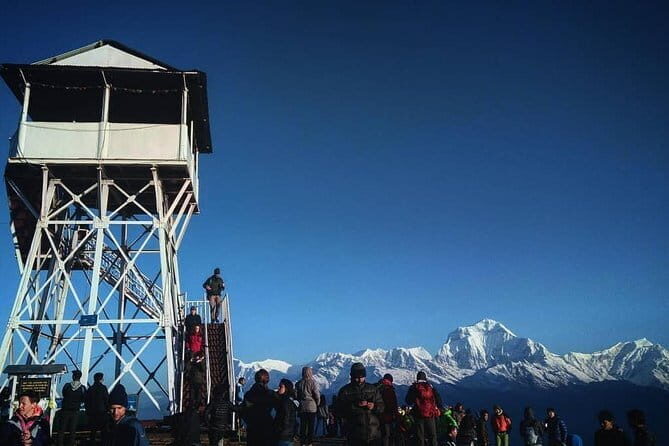
- Sunrise plan built around Poonhill for world-famous peaks like Dhaulagiri and Annapurna
- A short trek with village stops that feel human-sized, not a long slog
- Manakamana Temple day one via a 12-minute cable car ride and hilltop views
- Pokhara breathing room on day five with a 1-hour boat ride on Phewa Tal
- Guiding and logistics included: permits, transfers, guide, porter, and meals during the trek
Ghorepani Poonhill in Six Days: What the Trek Really Delivers
The appeal of the Ghorepani Poonhill trek is simple: you get close to big Himalaya scenery without committing to a long, exhausting expedition. This version is built to stay moving, but it still gives you stops that feel grounded in daily Nepal, not just scenic checkboxes.
You start in Kathmandu, then work your way out toward the trekking zone, with a full day devoted to sunrise views and a smooth finish in Pokhara. The schedule is also structured so you’re not constantly guessing what comes next. That matters when you’re dealing with altitude, cold mornings, and the usual stair-heavy walking.
The trekking itself is short enough that most travelers can participate, but it’s not a free stroll. Expect plenty of steps and uphill sections, especially around the villages and the day you go after the sunrise.
You can also read our reviews of more hiking tours in Kathmandu



Day 1: Manakamana Temple and a 12-Minute Cable Car Kickoff
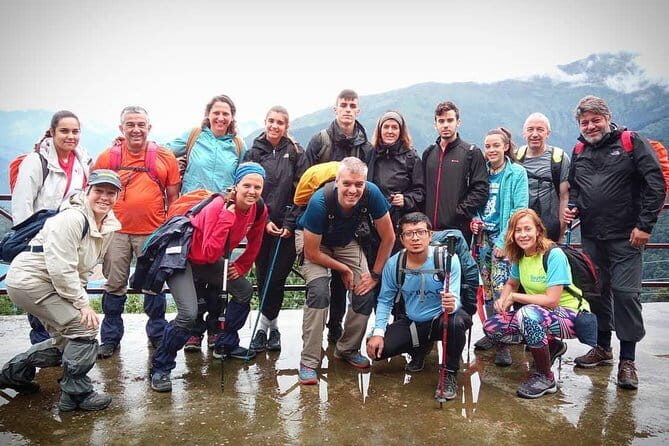
Day one sets the tone: spiritual stop, hilltop views, and an easy-to-follow start. You visit the Manakamana Temple, dedicated to Goddess Manakamana, believed to fulfill dreams.
The fun part is the approach. You take a 12-minute cable car ride up the hill, and on a clear day you can see a magnificent view of the Himalayas from there. Even if clouds roll in, the temple area itself is a memorable Nepal moment, not just a transport stop.
This is also a good warm-up day. It gets you into the rhythm of Nepali travel quickly: short travel legs, a clear destination, and time to take in your surroundings before the trekking begins in earnest.
Practical note: since your best views depend on weather, keep your schedule flexible with what the day gives you. When it’s clear, you’ll be happy you went. When it’s not, you’re still getting culture and a neat piece of the journey.
Days 2–3: Nayapul and Ulleri School on the Way to Ghorepani
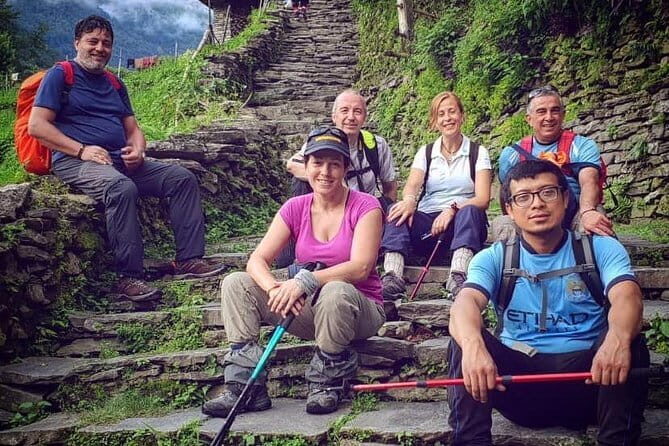
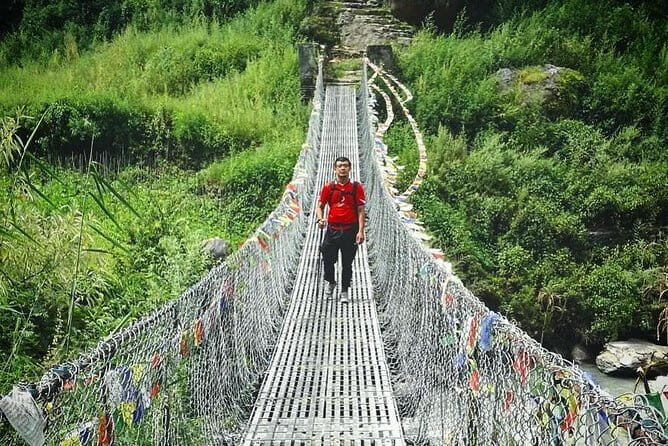
After the hilltop start, the trek shifts into a slower, more village-centered pace. You begin at Nayapul, where an old suspension bridge makes an immediate impression. It feels like a classic Himalayan village scene—simple, local, and very Nepal.
You spend around 30 minutes at this starting point, which is short, but it’s not pointless. That quick visit helps you get your bearings fast. It also frames the trek as a journey through lived-in areas, not just a hike between viewpoints.
Day three brings another small but meaningful stop: Ulleri School. You get about 15 minutes there and a short tea break to recharge. This kind of stop is why this trek feels friendlier than some longer routes. You see everyday life, and you get a natural pause before continuing toward Ghorepani.
These breaks also help on a short itinerary. When you only have a few days total, smart rest matters. A tea break isn’t luxury—it’s part of how you keep your energy steady.
Day 4: Sunrise at Poonhill and the Walk Toward Ghandruk
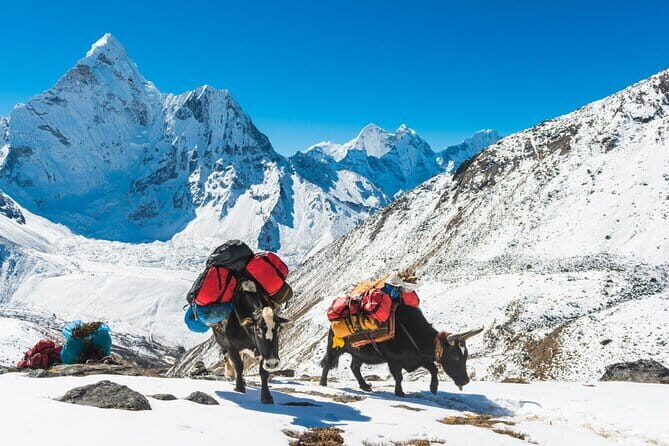
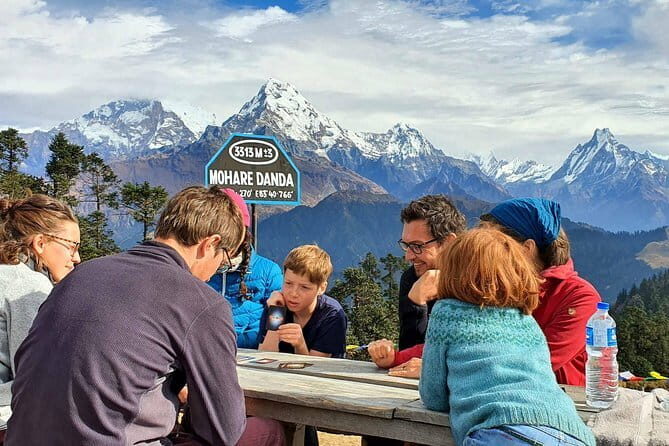
This is the day you build everything around. You leave early for a sunrise excursion to Poonhill, aiming for wide mountain views on a clear day. The peak list here is the classic highlight reel: Mt. Dhaulagiri (8167 m), Mt. Annapurna (8091 m), and Mt. Machhapuchhre, also known as Fishtail (6993 m), among others.
Why this matters: sunrise views aren’t just pretty. They’re when the mountains often look crispest, and the light makes the ridgelines readable. If you’re going to spend time and money to come this far, this is the moment you want to protect.
Later in the day, you continue on to Ghandruk. That change of pace—morning mountain chase, then moving toward a village settlement—helps keep the day from feeling like one long climb to a single spot. It’s also the part of the trek where you start feeling the shape of Nepal’s communities, with homes and paths that cling to the hillside.
A realistic expectation: day four is long. The schedule lists about 8 hours total. That’s not a dealbreaker, but it does mean you should pack with stamina in mind and go into the morning without treating it like an optional sunrise.
If you’re sensitive to cold early mornings, consider layers that you can peel off quickly. Your body will heat up once you’re walking, but the sunrise hours can be chilly.
Day 5: Pokhara Reset With Phewa Tal Boat Ride and a Photo-Spot Temple
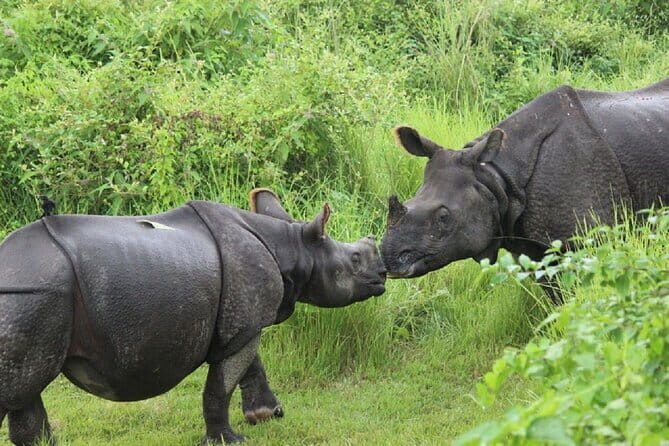
After trekking, Pokhara feels like a reward you can actually enjoy. Day five takes you to Phewa Tal, a lake right in the heart of the city. The highlight is a 1-hour boat ride, and there’s a temple out in the water that’s a strong photography target.
This stop is more than a scenic break. It’s a practical reset for your legs. Instead of more stairs and uphill sections, you get a slower pace and a chance to breathe. If you’ve been carrying your energy through steep walking, this kind of downtime is exactly what makes the itinerary feel balanced.
You’ll likely find it easiest to enjoy the lake by keeping expectations simple: sit back, watch the mountains and reflections if weather allows, and use the temple viewpoint as your anchor for photos.
Also, your tour includes the boat ride. That’s one less thing you have to organize on arrival in Pokhara, which is nice when you’re already focused on trekking logistics.
A few more Kathmandu tours and experiences worth a look
Day 6: The 8-Hour 205 km Drive Back to Kathmandu
Your final day is a scenic drive back to Kathmandu: about 8 hours covering around 205 km. This is where you get a different kind of Nepal view—rolling hills, rivers, countryside scenes, and Himalaya views when conditions are favorable.
The key here is mindset. After a trek, long road days can feel tiring. But by this point you’ve earned the chance to rest your body. Think of the drive as your decompression period before you re-enter city life.
Because the itinerary specifically includes Kathmandu–Pokhara–Kathmandu transfers via AC tourist bus, you start with less stress than you might have on local transport. Comfort on the last day matters.
Price and Value: Is $616.78 a Good Deal for This 6-Day Setup?
At $616.78 per person, this trek is priced like a guided, logistics-heavy Nepal experience, not like DIY backpacking.
Here’s what the money covers, based on what’s included:
- AC transfers: Kathmandu to Pokhara and back by tourist bus
- Hotel comfort: 2 nights in a 3-star hotel in Pokhara
- Trek lodging: 3 nights in tea houses
- Permits for the trek
- Guide and porter: an English-speaking guide plus porter support
- Pokhara–Nayapul transfer
- Meals during the trek period: breakfast (5), lunch (4), dinner (4)
- Phewa Tal boat ride (1 hour)
What you should plan to pay separately:
- Lunch and dinner in Pokhara
- Guided sightseeing tours and entrance fees in Pokhara
- Travel insurance, rescue, and any emergency evacuation costs
- Nepal entry visa fee
- Tips for guide, porter, and driver
- Drinks and personal expenses
So is it good value? In my view, yes—if you want a short trekking experience with the hard parts handled. Permits, guide, porter, and most meals can add up quickly when you try to build it on your own. The included tea-house nights and Pokhara hotel nights also reduce your biggest planning headache: lodging.
Also, the private tour/activity setup means you’ll be in your group only. That can make the pace and communication simpler, especially if your group prefers a more relaxed rhythm.
The Guide Factor: Why Sujan Ratna Shakya Is a Big Part of the Experience
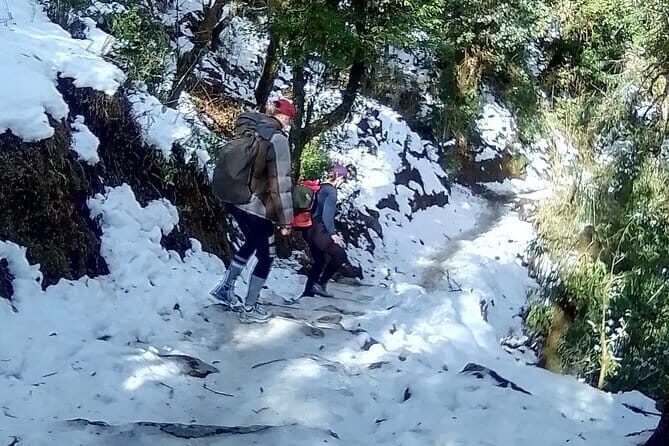
In Nepal, the guide changes everything. This tour’s provider is Sujan Ratna Shakya, and the standout theme around him is how approachable and capable he is.
What you can reasonably expect from this kind of guiding package:
- He’s known for being friendly and professional
- He explains culture and trekking details so the route makes sense while you walk
- He can work with different language needs; Spanish comes up clearly
- He tends to stay attentive to the group, including larger groups (one example included 23 people)
That’s more than customer service. Good guidance turns a hike into an informed journey. When you understand what you’re seeing—villages, temple sites, how people live at elevation—you enjoy the trek more, even when the steps get demanding.
If you’re the type who likes stories and context, this is a major selling point. If you’d rather be left alone and just walk, you still get the safety net of an experienced guide and porter support.
Trekking Tips for Getting the Most From This Short Route
This trek is short, but it still asks for sensible choices.
1) Protect your sunrise effort
On day four, you’re hunting clear views. If your morning is cloudy, don’t punish yourself with frustration. The trek portion still has value, but clear sky is the key for peak panoramas.
2) Pack for cold early hours and warm afternoons
Layering helps. You’ll likely start cool and get warmer as you move through the day.
3) Plan for stairs
Even within a short itinerary, you’ll face stairs and steep segments. Build in extra care with your footing, especially on descents.
4) Keep cash or cards for the parts not included
This tour includes many meals and the big transportation pieces, but it doesn’t include everything in Pokhara. Budget for lunch/dinner there if you’re hungry after the lake day.
5) Bring a simple rain plan
Weather matters for views. You might not need heavy rain gear every day, but you do want something light in case conditions change.
Who This Trek Best Fits (and Who Might Want Something Different)
This Ghorepani Poonhill route fits well if you want:
- A short trek that still reaches famous viewpoint territory
- A mix of Himalaya scenery and Nepal village life
- A guided plan with permits, meals, and porter support
- A finish in Pokhara with an included lake boat ride
It might be less ideal if you want:
- A long, remote, wilderness-style trek with minimal comfort
- Guaranteed summit-level mountain visibility every day
- A fully DIY experience without a structured schedule
If you’re traveling with mixed fitness levels in your group, the private format and guide support can help keep things smoother.
Should You Book the Ghorepani Poonhill Trek (6 Days)?
Book it if you want a high-value Nepal trek that hits the signature sunrise viewpoint, includes the essentials (permits, guide, porter, transfers), and doesn’t drag on for weeks. This itinerary is designed for people who want the Himalaya without turning the trip into a test of endurance.
Pass or consider an alternative if clear-weather mountain views are your only priority. This trek requires good conditions for the best panorama, and weather can change plans fast. Still, even with hazy skies, you’ll be walking through real village scenery, visiting Manakamana Temple, and ending with a very enjoyable Pokhara lake day.
If you like clear structure, early starts done by professionals, and a guided explanation of culture, this is a solid match.
FAQ
How long is the Ghorepani Poonhill trek?
The itinerary runs for about 6 days.
What’s included in the Kathmandu to Pokhara to Kathmandu transportation?
It includes transfer by AC tourist bus between Kathmandu and Pokhara, plus a Pokhara–Nayapul–Pokhara transfer.
Are permits and trekking support included?
Yes. The tour includes all trek permits, an English-speaking trek guide, and a porter.
What meals are included during the trip?
Breakfast is included for 5 days, and lunch and dinner are included for 4 days each.
Does the tour include the sunrise excursion to Poonhill?
Yes. There’s an early morning sunrise excursion to Poonhill with views of major peaks on a clear day.
Is there a boat ride included in Pokhara?
Yes. The itinerary includes a 1-hour boat ride on Phewa Lake, with a temple in the middle of the lake that’s suitable for photography.
What happens if weather is poor?
This experience requires good weather. If it’s canceled due to poor weather, you’ll be offered a different date or a full refund.