Bhaktapur feels like a living time capsule. This half-day heritage tour takes you from Kathmandu to Bhaktapur, a UNESCO World Heritage City known for its well-preserved medieval streets, temples, and Newar crafts. What makes it especially worthwhile is the on-the-ground context you get from an English-speaking guide, who turns stone, carvings, and old squares into stories you can actually follow.
I also love the way Bhaktapur Durbar Square works as both a sightseeing stop and a place where history makes sense fast, even if it’s your first time in the valley. The main drawback is simple: entrance fees are not included, so you’ll want to budget for that before you go.
You’ll probably remember the temple details and the food more than you expect. I like that the route includes major temple sights such as Nayatapola Temple, and it gives you a real chance to try local Newar specialties, including juju dhau (traditional Newar yogurt).
One more consideration: it’s a 5-hour walk-and-look style day, so if you want a super slow pace or have mobility limits, you may feel time pressure.
In This Review
- Key Highlights You Should Know Before You Go
- Why Bhaktapur’s Medieval Streets Feel Different From Other Stops
- Kathmandu to Bhaktapur: The 30-Minute Transfer That Sets the Pace
- Bhaktapur Durbar Square: Where Palaces, Temples, and Daily Atmosphere Collide
- Nayatapola Temple: Temple Architecture You Can Actually Read
- Newar Craft and Culture Details You’ll Spot While You Walk
- Eating in Bhaktapur: Juju Dhau and Local Newar Flavors
- The Guide Factor: Turning Stone Into Stories
- Timing and Pacing: How to Make a 5-Hour Heritage Visit Work
- Price and Value: What $40 Covers and What to Budget for
- Who This Tour Suits Best (And Who Might Want to Adjust)
- Should You Book the Kathmandu: Bhaktapur Heritage City Tour?
- FAQ
- Is pickup and drop-off included?
- How long is the Bhaktapur heritage tour?
- What is included in the tour price?
- Are entrance fees included?
- Is the tour private?
- Does the tour use a mobile ticket?
- Is there group discount pricing?
- What should I expect to see in Bhaktapur?
- Can I cancel and get a full refund?
- Is the tour suitable for most people?
Key Highlights You Should Know Before You Go
- UNESCO World Heritage City: Bhaktapur is a real medieval town, not a staged show.
- Bhaktapur Durbar Square focus: you spend time in the heart of palaces and temples, with guide-led context.
- Temple time that goes beyond photos: expect history and symbolism, not just viewpoints.
- Newar food break potential: juju dhau is a popular go-to during the experience.
- English-speaking guide: stories and legends help you connect the architecture to daily life.
- Private group setup: it’s only your group, with hotel pickup and drop-off in Kathmandu.
Why Bhaktapur’s Medieval Streets Feel Different From Other Stops
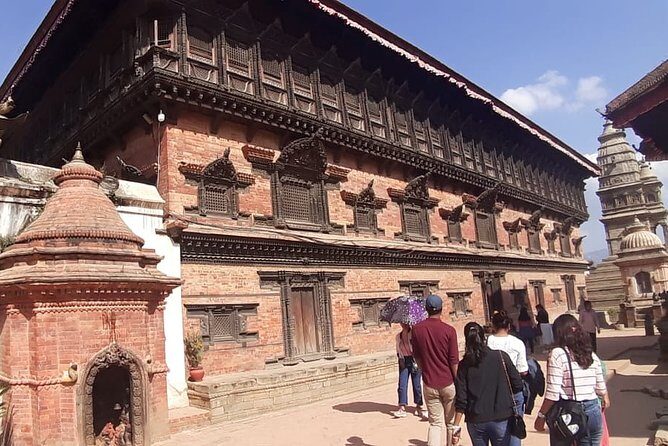
Bhaktapur doesn’t feel like you’re visiting an attraction. It feels like you’re walking through a town where older traditions still shape the day. The Newar community’s influence shows up in the layout, the craft details in wood and stone, and the way temples anchor community life.
UNESCO status matters here because you’re not just seeing old buildings. You’re seeing a whole urban fabric—squares, temples, and architectural style—held together in a way that still functions. That’s the big difference between a collection of monuments and a living heritage city.
You can also read our reviews of more city tours in Kathmandu
Kathmandu to Bhaktapur: The 30-Minute Transfer That Sets the Pace
The trip from Kathmandu to Bhaktapur is about 30 minutes, though traffic can affect it. That short ride is a practical win: you don’t spend half your day in a vehicle, and you get to use your walking time where it counts.
Hotel pickup and drop-off are included, which makes this easier than piecing together transport on your own. You also get a private vehicle for the transfer, so you’re not stuck coordinating with strangers or guessing where the meeting point is.
Bhaktapur Durbar Square: Where Palaces, Temples, and Daily Atmosphere Collide
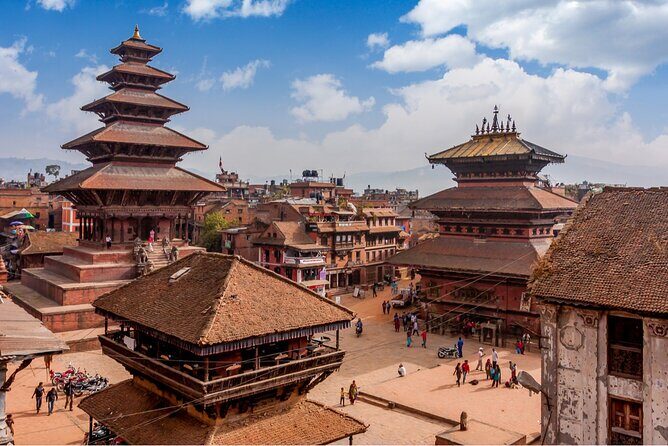
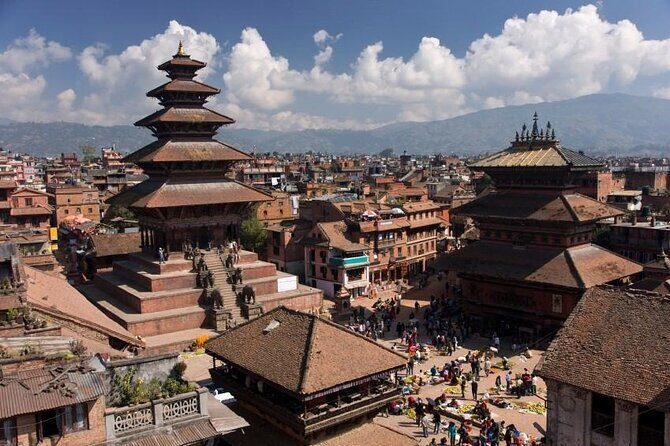
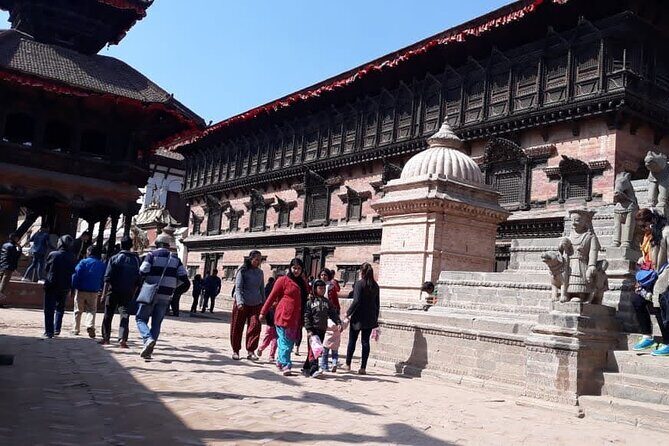
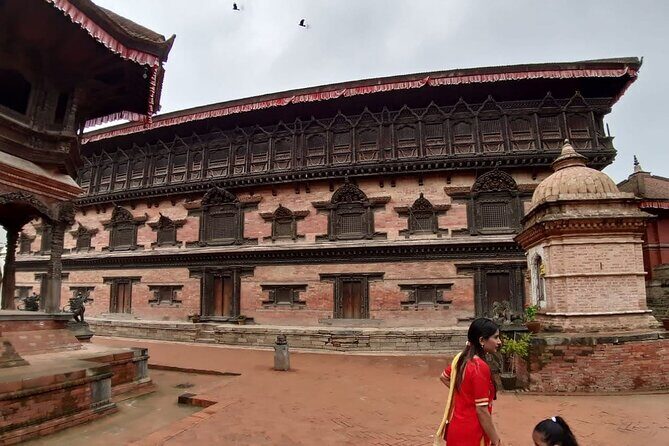
Most of your sightseeing starts at Bhaktapur Durbar Square, the core of the city. This is the place where you’ll see ancient temples and palace elements concentrated in one walkable area. Even if you’re not a history person, a guide helps you read what you’re looking at: which structures matter most, how the space is organized, and what religious or royal roles the buildings played.
What I’d call the “feel” of the square can be as memorable as the sights. In the open courtyards and lanes, you’ll notice the everyday sensory layer—people moving around, and incense-like dhoop smoke drifting through the air. It’s the kind of atmosphere that makes the stonework feel less distant.
You’ll also get time for a museum visit associated with the Durbar Square area. That’s useful because it turns surface-level viewing into understanding—details that might otherwise pass as decorations become clues to how royals and craftsmen lived and worked.
Practical note: this is a walking-heavy stop. Wear shoes you trust on uneven medieval surfaces, and plan to stop often. The square rewards slow looking.
Nayatapola Temple: Temple Architecture You Can Actually Read
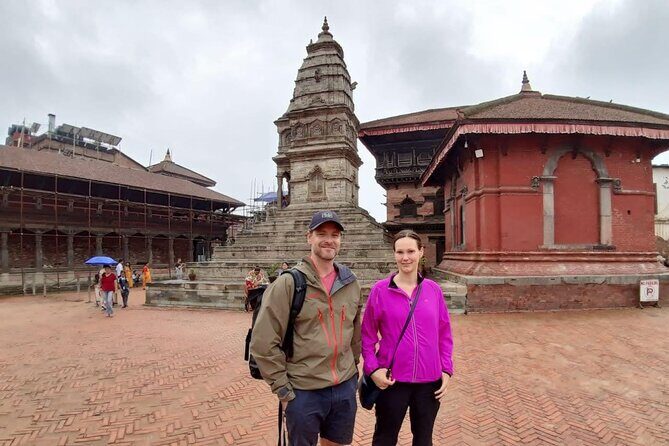
Nayatapola Temple is one of those sites where the scale and tiers stand out quickly. But the real value is what the guide adds: why this temple style matters, what its design is communicating, and how it fits into the city’s religious layout.
I like this stop because it’s not just a photo moment. It helps you connect the whole idea of Bhaktapur as a Newar city—where temples aren’t isolated landmarks but part of how people structure public space.
If you’re the type who likes to understand symbolism behind architecture, this is where you’ll start seeing patterns. You’ll notice how the city uses height, repetition, and ornament to guide your eye and reinforce meaning.
Newar Craft and Culture Details You’ll Spot While You Walk
Bhaktapur is famous for its Newar architecture, and the city’s craft traditions show up all over your route. Even without a workshop-style visit, you’ll see the kinds of decorative choices that come from woodcarving, pottery traditions, and long-running local skills.
The guide’s role here is key. Without context, carvings can feel like wallpaper. With the right story, they start to read like language—what styles meant, what was honored, and what the architecture suggests about the community.
This part works best if you’re curious and willing to ask questions. Don’t worry about needing perfect terminology. Even basic curiosity gets answered.
You can also read our reviews of more historical tours in Kathmandu




Eating in Bhaktapur: Juju Dhau and Local Newar Flavors
Food is a big reason this tour lands well for people who like to travel with their senses. Juju dhau (traditional Newar yogurt) shows up as a highlight, and it’s a smart way to break up a heritage walk while staying connected to the local culture.
What makes this kind of food stop valuable is the setting. You’re tasting something that belongs to the city, not eating in a generic tourist setup. The flavor also feels more personal because it’s tied to Newar traditions you’re learning about along the way.
Tip: if you’re sensitive to dairy or have food restrictions, mention it to your guide in advance. The tour data doesn’t specify allergy handling details, so it’s best to plan with your guide rather than hoping.
The Guide Factor: Turning Stone Into Stories
This tour is built around an English-speaking guide, and the best part is how the guidance changes your experience. A good guide doesn’t just point at landmarks. They connect legends, history, and daily-life context to what you’re standing next to.
You’ll get that through stories and explanations at key points like Bhaktapur Durbar Square and major temples. It’s exactly the sort of thing that makes a place feel less like a checklist.
The friendliness of the guide also matters. Several people mention how guided service made the day feel memorable. In practice, that translates to better pacing and easier questions, especially if your interest is architecture, Newar culture, or royal-era life.
Timing and Pacing: How to Make a 5-Hour Heritage Visit Work
The tour runs about 5 hours. That’s a sweet spot for Bhaktapur: long enough to cover the core sights and still have time for a museum stop and a food moment.
Still, plan your expectations. A 5-hour heritage walk means you’ll be moving, stopping, and moving again. If you want to linger for a long time in every courtyard, this won’t feel like a relaxed half-day.
To make it easier on yourself:
- Bring water.
- Wear breathable layers if it’s warm, and something light for cooler hours.
- Keep your camera ready, but don’t let it steal all the attention from what the guide is explaining.
Price and Value: What $40 Covers and What to Budget for
The listed price is $40 per person, and it includes hotel pickup and drop-off, round-trip transfer by private vehicle, an English-speaking tour guide, and a private trip setup (only your group). There’s also a mobile ticket and pickup support, plus group discounts listed for group bookings.
The important catch is entrance fees. The tour does not include entrance fees of $13 per person. So the real cost you should plan for is about $53 per person before any optional gratitude.
Is that good value? For Bhaktapur, yes—because you’re paying for guided access and a private, timed experience rather than arranging transport and admission separately. The English guide is also a strong value driver here since the architecture and temple symbolism make more sense with interpretation.
One more value detail: the tour is private. If you’re a couple or small group, “private” can actually lower friction and improve the quality of the visit, because you can match pace and questions to your interests.
Who This Tour Suits Best (And Who Might Want to Adjust)
This tour is a great fit if you:
- Want a short, focused heritage day from Kathmandu.
- Like architecture with explanations, not just photos.
- Enjoy culture through guide-led stories and a local food moment.
- Prefer a private group experience with pickup and drop-off.
You might want to rethink your plan if:
- You hate walking on uneven historic streets.
- You want a super slow, unstructured day in Bhaktapur.
- You’d rather budget strictly for sightseeing and not pay for guided interpretation.
Should You Book the Kathmandu: Bhaktapur Heritage City Tour?
If you want Bhaktapur’s UNESCO sights with a guide who helps you read what you’re seeing, this is an easy “yes” for me. The combination of Bhaktapur Durbar Square, temple time like Nayatapola, and a chance to try juju dhau makes the experience feel practical and culturally connected, not just scenic.
Book it if you’ll use the guide. If you’re the kind of person who looks up a little, asks questions, and enjoys understanding the context behind landmarks, you’ll get your money’s worth.
Skip it only if you’re chasing an unhurried, self-guided day with no structured timing, because the 5-hour window is designed for a guided, efficient route.
FAQ
Is pickup and drop-off included?
Yes. The tour includes hotel pickup and drop-off in Kathmandu.
How long is the Bhaktapur heritage tour?
It runs about 5 hours (approximately).
What is included in the tour price?
Included are hotel pickup and drop-off, round-trip transfer by private vehicle, an English-speaking tour guide, and a private trip.
Are entrance fees included?
No. Entrance fees are listed as USD $13 per person and are not included.
Is the tour private?
Yes. It’s a private tour/activity, and only your group participates.
Does the tour use a mobile ticket?
Yes. A mobile ticket is listed as part of the experience.
Is there group discount pricing?
Group discounts are listed as a feature, so it may be worth checking pricing for group sizes.
What should I expect to see in Bhaktapur?
You start at Bhaktapur Durbar Square and spend time exploring the UNESCO heritage area. Temple viewing and local Newar food, including juju dhau, are also part of the experience.
Can I cancel and get a full refund?
Yes. Cancellation is free up to 24 hours in advance for a full refund.
Is the tour suitable for most people?
The information says most travelers can participate, but you should be ready for a walking-based heritage experience on historic streets.