REVIEW · KATHMANDU
Kathmandu: City Highlights Bus Tour Full Day
Book on GetYourGuide →Operated by Dream Noble Adventure Pvt. Ltd. · Bookable on GetYourGuide
Kathmandu in one budget day. This shared bus tour strings together several of the city’s best-known religious and heritage sights in a single 6.5-hour outing, so you’re not hunting for rides all day. I like that you can go from Thamel straight into the Kathmandu Valley sites as a group, and I also like the full-day feel that helps you pack in more than one major stop. The trade-off: service quality seems inconsistent—one detailed account describes a late pickup and a bus that felt dirty with no AC.
What makes this tour workable is the structure: a set meeting point, a local assistant on the bus for basic questions, and a route built around five big landmarks. I also like that the itinerary is straightforward (no sketchy “maybe we’ll stop here” vibes), which matters when you’re trying to manage time and money in Kathmandu. Still, you should budget extra for entrance fees and meals, and be ready for a basic guide setup rather than a high-end, specialist experience.
In This Review
- Key Points at a Glance
- Why a Kathmandu Heritage Bus Loop Can Be a Smart Budget Move
- Meeting at Thamel: Don’t Miss the Pickup at Hotel Malla
- The Full-Day Route: How to Think About the Five Stops
- Pashupatinath Temple: Your First Reality Check on Time and Footing
- Boudhanath Stupa: A Big Spiritual Stop That Works Well in a Group
- Budhanilkantha: When the Day Adds a Different Kind of Sight
- Swayambhunath Temple: The Stop Where Footwear and Patience Matter
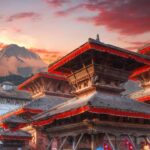
- Kathmandu Durbar Square: Ending in the City’s Heritage Core
- Guide Setup and the Bus Experience: What Inclusion Actually Means
- Price and Value: $19 + Fees, So Plan Your Budget
- What to Bring for a Comfortable 6.5-Hour Circuit
- Should You Book This Kathmandu Bus Highlights Tour?
- FAQ
- How long is the Kathmandu City Highlights bus tour?
- Where do I meet the tour in Kathmandu?
- What is included in the price?
- Are entrance fees included?
- What should I bring?
- Is the tour in English?
Key Points at a Glance
- Group bus tour from Thamel keeps logistics simple and cost low
- Five major heritage stops across Kathmandu Valley in one day
- Local assistant on the bus for quick questions
- Entrance fees and meals are extra, about $20 USD for monuments
- English-speaking guide with a “normal guide” format (not a professional guide)
- Thamel pickup timing needs attention; allow a buffer before 10:00
Why a Kathmandu Heritage Bus Loop Can Be a Smart Budget Move
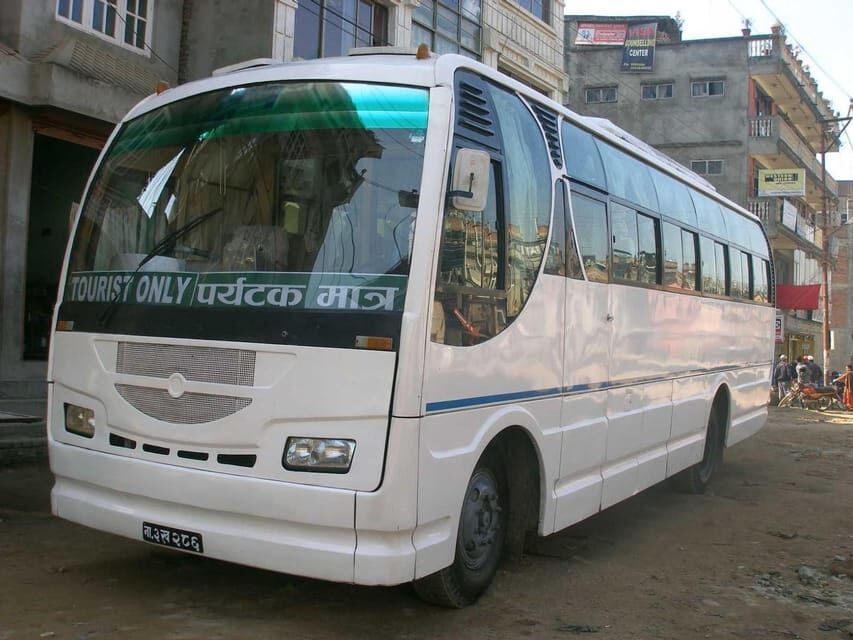
If you’re trying to see Kathmandu without burning hours negotiating transport, this style of tour makes sense. You start in Thamel, then hop between major landmarks by bus with a driver, which is exactly the kind of convenience that saves energy for sightseeing. At $19 per person, the price is aimed at travelers who want value more than luxury.
Also, it’s a “shared day” in the real sense. You’ll be riding with people from different places, and that changes the vibe. Even if the narration isn’t deeply detailed, you still get something useful: the momentum of a group schedule, plus the chance to swap practical tips with your fellow passengers during stops and ride breaks.
Now for the reality check. The tour includes a normal guide and a local assistant on the bus, but a professional guide is not included. That usually means you’ll get the basics—where you’re going and general context—rather than a super-polished, deeply scripted explanation at each stop. If you’re the type who loves long, high-detail stories, you may feel like something is missing. But if you want to check off the big sights efficiently, the format can work.
You can also read our reviews of more city tours in Kathmandu
Meeting at Thamel: Don’t Miss the Pickup at Hotel Malla
Your day starts at a specific meeting spot: opposite Hotel Malla’s main entrance gate in Thamel. The guidance is to arrive between 9:50 and 10:20 am, and the tour group is set to gather around 10:00 am.
One caution I’d take seriously: timing may not be perfectly rigid. In one detailed account, the meeting time was shifted later (from 10:00 to 11:00) even though the person arrived early. That doesn’t guarantee it will happen to you, but it does tell me to plan with a buffer. If you hate standing around, arrive on the early side, and keep your phone ready in case coordination changes.
Practical tip: bring the essentials in a way you can access fast. The tour notes that you should have cash and passport or ID card (a copy is accepted). That’s not just for formality. Monument fee situations and entry requirements can be easiest when you’re not scrambling.
If you need to confirm details, there’s a contact number listed: +977-9860903708. Use it if your pickup feels delayed or you’re unsure which bus is stopping—parking isn’t allowed at the curb, so the bus may only stop long enough to collect you.
The Full-Day Route: How to Think About the Five Stops
This is a loop built around five major targets:
Pashupatinath Temple → Boudhanath Stupa → Budhanilkantha → Swayambhunath Temple → Kathmandu Durbar Square.
That sequence matters because it shapes your energy level. You’ll likely experience a mix of travel time on the bus, photo-walk time, and short guided moments. With a total duration of 6.5 hours, you shouldn’t expect long, unhurried exploration at every site. Instead, think of it like a “greatest hits” day: see the places, orient yourself, capture key views, then move on.
The itinerary is also built for variety. You’re not only in one neighborhood. You’re moving through different parts of Kathmandu Valley, including major religious landmarks (temples and a stupa) and an urban heritage square. That’s a big part of the value: you get a broad sense of Kathmandu in one day.
Pashupatinath Temple: Your First Reality Check on Time and Footing
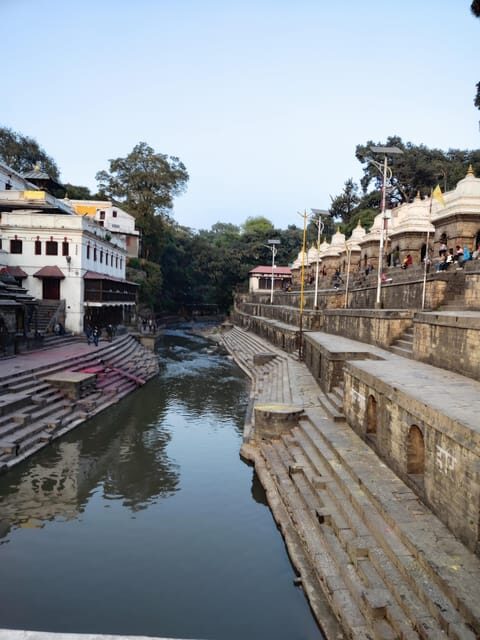
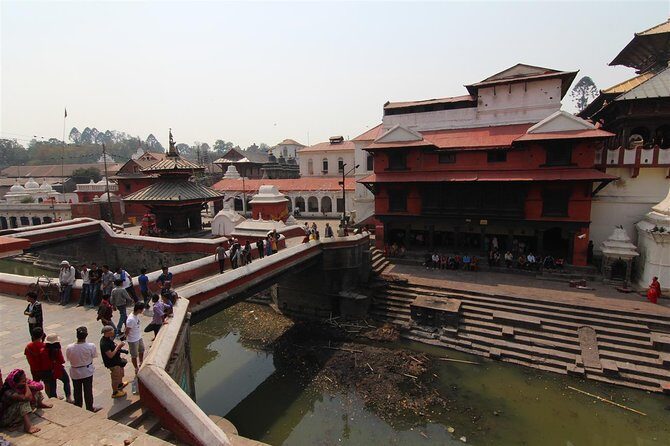
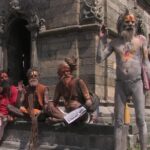
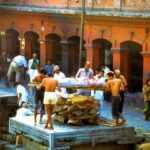
Pashupatinath Temple is listed as the first stop. For this kind of site, the key thing I’d plan around is movement—temple areas generally involve walking on uneven ground and navigating crowds, even if you’re just there briefly. That’s why the tour specifically tells you to bring comfortable shoes. Take that seriously; you’ll feel it later if you don’t.
What to do: don’t treat the stop like a slow museum visit. Instead, decide what you want most—close-up views, people-watching, photos from a respectful distance, or just getting oriented. If you try to do everything quickly, you’ll end up stressed.
One more angle: the tour includes a local assistant on the bus, but the included guidance is a normal guide rather than a professional guide. So your first stop is where you should pay attention if you want to understand basic context. If explanations are minimal, focus on what’s directly in front of you. You’re here for the place itself.
Boudhanath Stupa: A Big Spiritual Stop That Works Well in a Group
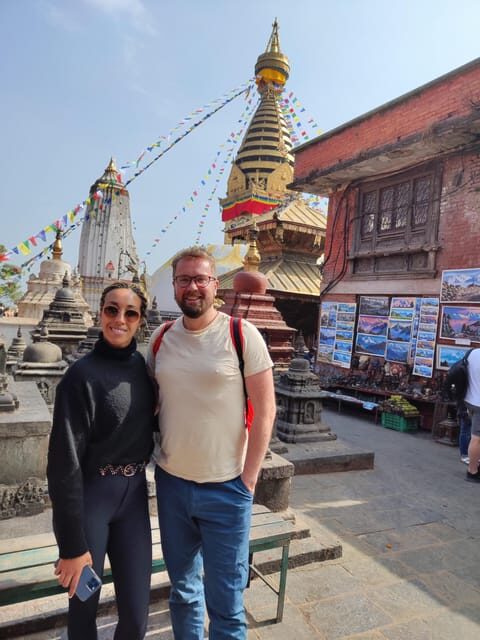
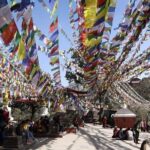
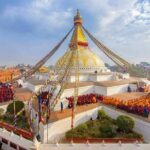
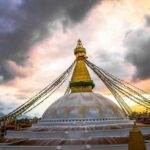
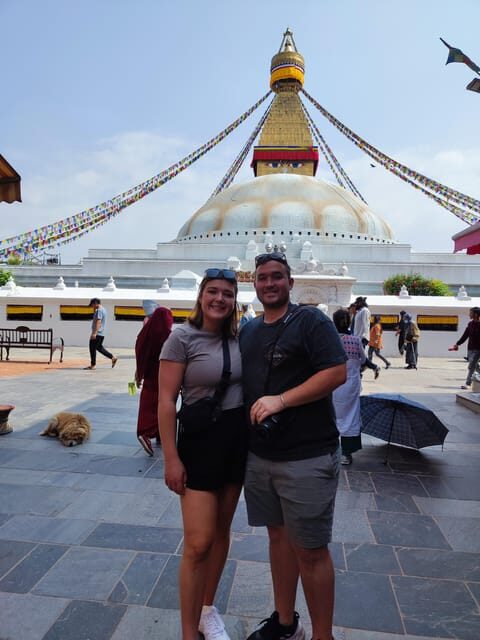
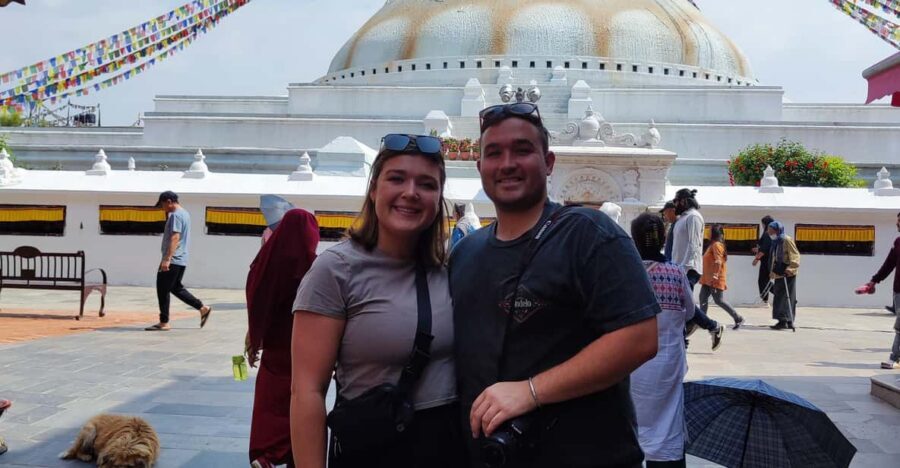
Boudhanath Stupa is your next listed highlight. As a stupa stop, it’s the kind of location where you can get a strong sense of place even on a brief schedule. This stop is often one of the better “photo-and-breathe” moments because it gives you open space to pause.
Because you’re in a group, the best strategy is to choose a vantage point early. Arrive, orient, and then give yourself a small window to wander. If you wait too long, the group rhythm can pull you along before you feel satisfied.
Keep in mind the tour’s cost structure. Monument fees and entrance fees are approximately $20 USD per person and meals are not included. If entrance payments are required at stops like this, having cash ready prevents awkward delays while people hunt for money.
Also, if you care about details, this tour may not be the best match for deep interpretation. One account described a guide who wasn’t providing much information and was focused more on telling people to go take a look. You might experience something different, but it’s a good reminder: come in with curiosity, not expectations of a full lecture at each site.
A few more Kathmandu tours and experiences worth a look

Budhanilkantha: When the Day Adds a Different Kind of Sight
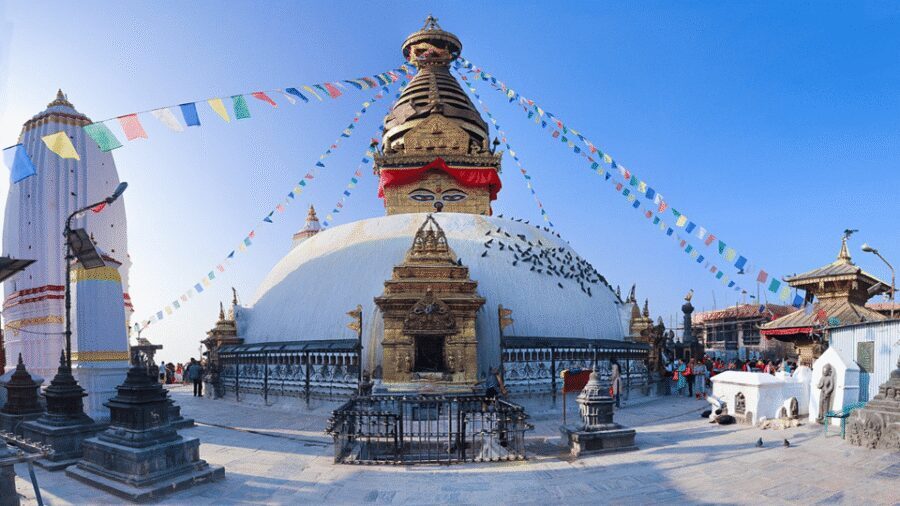
Budhanilkantha is included as the third stop. In a route packed with temples and a stupa, this is your chance to catch a shift in scenery and character. The listing doesn’t spell out what specific feature you’ll focus on at Budhanilkantha, but it does tell you that it’s part of the planned circuit—so expect a set amount of time on-site before you’re back on the bus.
For you, this stop is about balance. After earlier landmarks, your legs may start asking for a slower pace. A group bus tour can feel like constant motion, so treat Budhanilkantha as your moment to reset. Hydrate, keep your energy up for the later Swayambhunath and Durbar Square stops, and don’t forget that there’s no meal included—so plan around food breaks.
Swayambhunath Temple: The Stop Where Footwear and Patience Matter
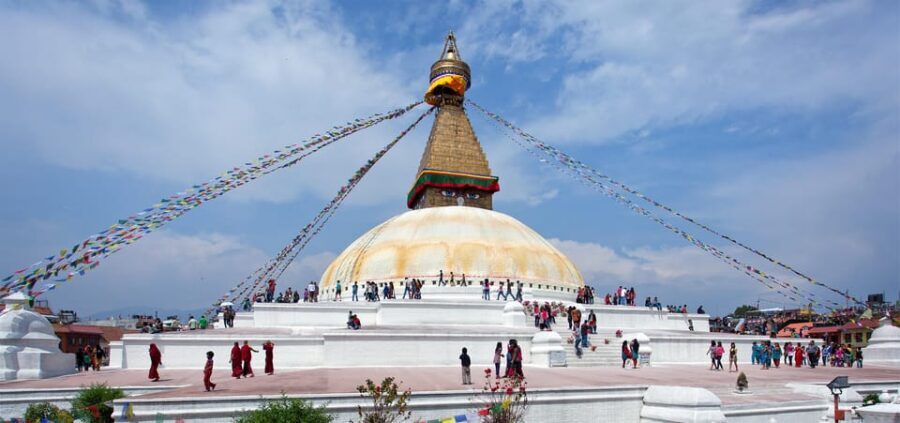
Swayambhunath Temple is on the itinerary after Budhanilkantha. This is the kind of site where you’ll likely spend time moving through the temple complex area, and the tour’s advice—comfortable shoes—is especially relevant here. Don’t wear thin, worn-out soles. You want support for walking and any step-heavy sections you encounter.
Also, with a total tour length of 6.5 hours, later stops can feel rushed if earlier ones run long. If you notice the group lagging or the schedule slipping, adapt quickly. Get your photos early. Look around once thoroughly, then do smaller passes only if you still have time.
One logistics note: the tour provides English and uses a local assistant on the bus for questions. If you want practical guidance—like where to buy snacks, where to pay fees, or what to expect at entry—ask sooner rather than later. In at least one account, the guide felt inexperienced and didn’t provide much explanation beyond telling people to look around. That kind of communication pattern means you should rely more on your own observation and less on narration.
Kathmandu Durbar Square: Ending in the City’s Heritage Core
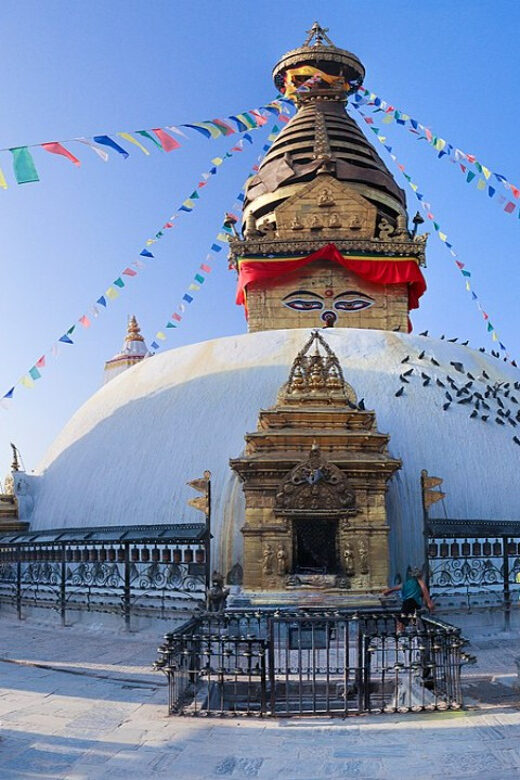
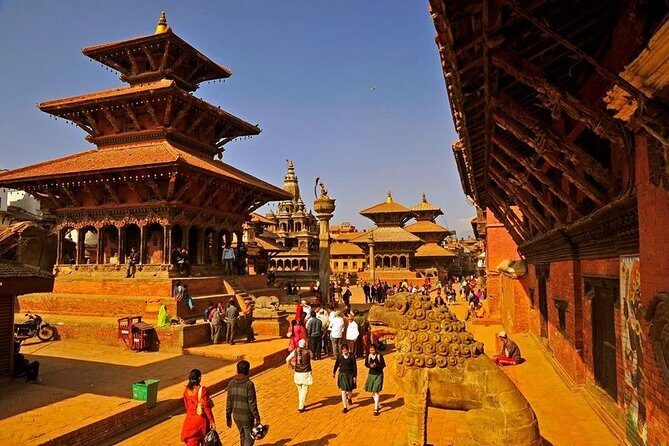
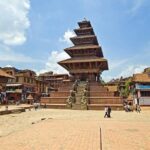
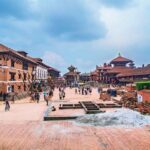
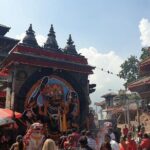
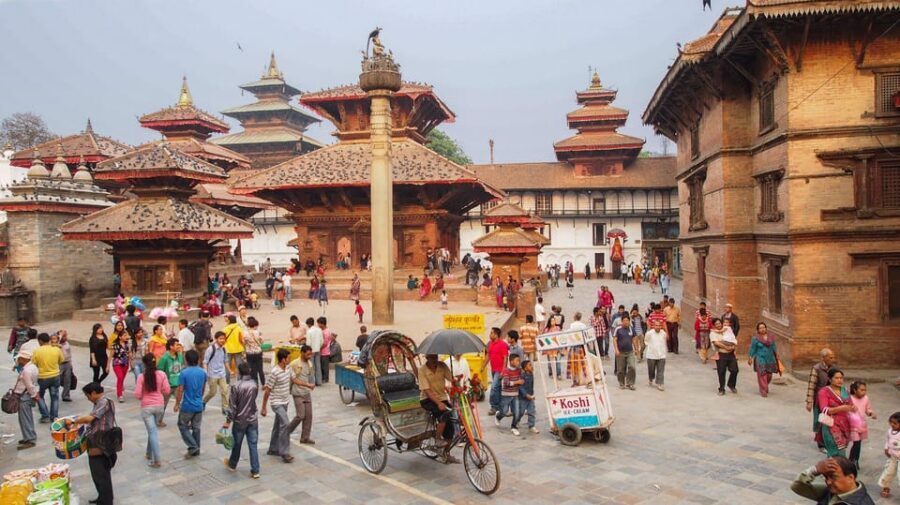
The route ends with Kathmandu Durbar Square. Ending here is logical because it gives you a sense of Kathmandu as a living city, not only a set of roadside religious sites. As the final stop, it’s also the one where you’ll probably want to slow down if you can, because you’ve got the full day’s context by this point.
But remember: the tour runs as a tight circuit. When you’re near the end, you may feel time pressure to catch everything before the group boards. If you’re the kind of traveler who loves details—craft, architecture, textures, little inscriptions—be strategic. Pick two or three things you care about most and focus there.
This tour is set up for efficiency, not endless wandering. If you’re hoping for a long, slow deep visit of Durbar Square, you’ll likely want to add extra time on your own after the bus tour ends back at the meeting point.
Guide Setup and the Bus Experience: What Inclusion Actually Means
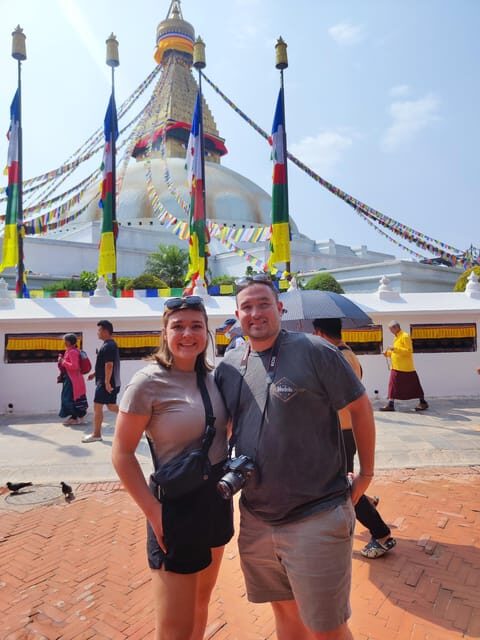
Here’s how the guide and support are described:
- Included: a normal guide
- Included: a local assistant accompanies you on the bus (for questions)
- Not included: a professional guide
- Language: English
In plain terms, you should treat this as a bus-based sightseeing day with basic guidance, not a fully custom, expert-led tour. That’s not bad—it just sets expectations. If you get a more talkative guide, great. If you get a guide who mainly tells you to look and move on, you’ll need to do more on your own.
One account included complaints about the bus condition (described as dirty with no AC) and about the guide’s approach (described as inexperienced and sometimes rude). That’s not a guarantee of your experience, but it does point to what you should check before you fully settle in:
- Is the bus reasonably clean?
- Does it have adequate cooling for the day’s weather?
- Are instructions clear enough that you won’t feel lost?
If something feels off early, address it immediately with the local assistant. Don’t wait until the middle of the route.
Price and Value: $19 + Fees, So Plan Your Budget
The headline price is $19 per person, which is attractive for a full day of bus sightseeing and hotel-area pickup. But the tour also clearly states:
- Monument fees and entrance fees: about $20 USD per person
- Meals: not included, available for purchase
So your real “you should expect to pay” total is closer to $39 USD for entry-related costs, plus what you spend on food. That still can be good value if you’re staying in or near Thamel and you don’t want to arrange separate transport to each stop.
Hotel pickup is included in Thamel only. If you’re staying outside Thamel, you should check how you’ll get to the meeting point. Otherwise, you may lose part of the value you’re paying for.
Value also depends on how you feel about the group format. If you love structured days with minimal planning, this fits. If you want a tailored pace or deep storytelling at every stop, you might feel the money isn’t matched by guidance quality.
What to Bring for a Comfortable 6.5-Hour Circuit
This tour lists the key items, and they’re the right ones:
- Comfortable shoes (for walking around temples and heritage spaces)
- Cash (useful for fees and for buying food)
- Passport or ID card (a copy accepted)
Beyond that, my advice is simple: pack light so you don’t fight your bag all day. With multiple stops in one day, you’ll keep moving—bus to site, site back to bus. You want your day to feel like a sightseeing loop, not a carry-your-stuff workout.
Should You Book This Kathmandu Bus Highlights Tour?
Book it if:
- You want a budget way to cover multiple Kathmandu Valley heritage sites in one day
- You’re staying in/near Thamel and want pickup without arranging separate rides
- You’re okay with a group schedule and basic guidance rather than a professional deep-dive
Skip it (or go in with eyes open) if:
- You’re picky about bus comfort like cleanliness and AC
- You need detailed explanations at every stop and can’t tolerate short, vague guidance
- You hate any chance of pickup delays and can’t handle a schedule that may shift
This tour’s overall score is 2.3 out of 5 based on 4 reviews, which is a signal to be cautious. Still, the core value proposition is real: one paid ticket gets you a practical route connecting major landmarks. If you plan for extra fees, bring cash, wear good shoes, and give yourself a bit of buffer around pickup time, you can make this day work.
If you want your best experience, show up early, be ready to pay entrance fees, and treat the stops like a checklist of major sights rather than a slow guided immersion.
FAQ
How long is the Kathmandu City Highlights bus tour?
The duration is listed as 6.5 hours. Starting times can vary, so check availability for the exact schedule.
Where do I meet the tour in Kathmandu?
Meet at the opposite of Hotel Malla’s main entrance gate in Thamel. The bus will pick you up, and you should arrive between 9:50 and 10:20 am.
What is included in the price?
Included items are hotel pickup in Thamel only, sightseeing by bus, group tour, and a normal guide. There is also a local assistant who accompanies the group on the bus.
Are entrance fees included?
No. Monument and entrance fees are not included, and they’re estimated at about $20 USD per person.
What should I bring?
Bring comfortable shoes, cash, and your passport or ID card (a copy is accepted).
Is the tour in English?
Yes. The guide/instructor is listed as English.