REVIEW · KATHMANDU
Kathmandu City Sightseeing Private Day Tour
Book on Viator →Operated by Holidays to Nepal Pvt. Ltd. · Bookable on Viator
Four sacred stops, one efficient day in Kathmandu. This private tour strings together Kathmandu’s biggest historic and religious sights with a plan that actually makes sense, using a private A/C vehicle plus pickup and drop-off to save you from guessing how to get around.
I love that you’re not just looking at stone. The professional English-speaking guide connects the dots between what you see—royal squares, Buddhist stupa symbolism, and Hindu Shiva worship—and the meaning behind it.
One heads-up: you’ll be walking in sun and heat, and monument entrance fees are not included. Plan for some stairs and crowds, especially around the major temples and stupas.
In This Review
- Key highlights worth marking on your map
- How this day tour feels: efficient, private, and built for context
- Kathmandu Durbar Square: where royal power and sacred space overlap
- Why your guide’s explanation really matters here
- What to consider before you go in
- Swayambhunath (Monkey Temple): city views plus Buddhist symbolism you can spot
- A good way to enjoy it
- Boudhanath Stupa: the giant mandala-shaped pilgrimage center
- What to consider
- Pashupatinath Temple: Shiva worship on the Bagmati River
- How to handle a place like this
- Practical value: is $100 per person a good deal?
- Timing and pacing: why the 8-hour plan works
- Heat and walking: the realistic consideration
- Tips to make your day smoother
- Who this tour suits best
- Should you book Kathmandu City Sightseeing Private Day Tour?
- FAQ
- What time does the Kathmandu City Sightseeing Private Day Tour start?
- How long is the tour?
- Is pickup and drop-off included?
- Are monument entrance fees included?
- What’s included in the tour price?
- Is this tour private or shared?
Key highlights worth marking on your map
- A tight, top-sites route that covers Kathmandu’s major royal and religious landmarks in one day
- Private A/C transport with pickup and drop-off, so you’re not sharing the ride or timing with strangers
- Symbol-spotting at Swayambhunath, including the stupa design with Buddha’s eyes and its meaning
- Boudhanath’s giant stupa setting, where mandala-shaped space and surrounding monasteries shape the whole vibe
- Pashupatinath’s Shiva-focused complex, including the Bagmati River setting and multiple shrine areas
- Serious on-site context from your guide, designed to help you understand what’s happening, not just see it
How this day tour feels: efficient, private, and built for context
This is the kind of Kathmandu day that works when you only have limited time but still want the “big four” places that define the city. You’ll start at 9:00 am, and then spend roughly 8 hours total moving between sites, getting dropped back off inside Kathmandu City.
The core value is simple: you get a private vehicle with A/C, and you also get a guide who explains what you’re looking at. That matters in Kathmandu. Without context, Durbar Square can blur into a jumble of temples and courtyards. With context, it starts to read like a royal and religious timeline, with names, rulers, and styles you can actually recognize.
Also, this is a private group. Only your group participates, so the pace and stops feel more controllable. If you need extra minutes to look at details, you’re not stuck behind a large crowd trying to keep your place.
You can also read our reviews of more city tours in Kathmandu
Kathmandu Durbar Square: where royal power and sacred space overlap
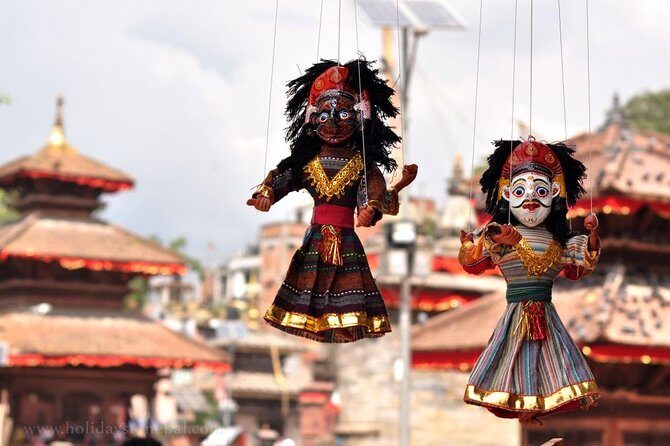
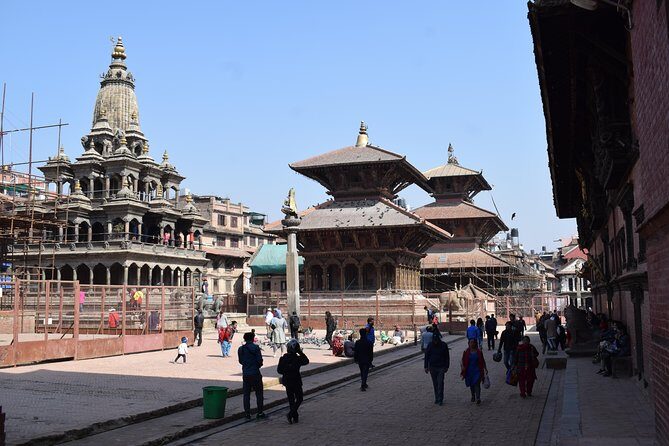
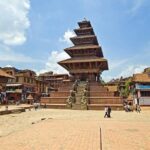
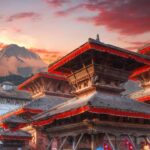
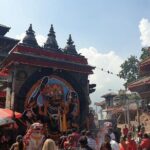
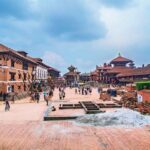
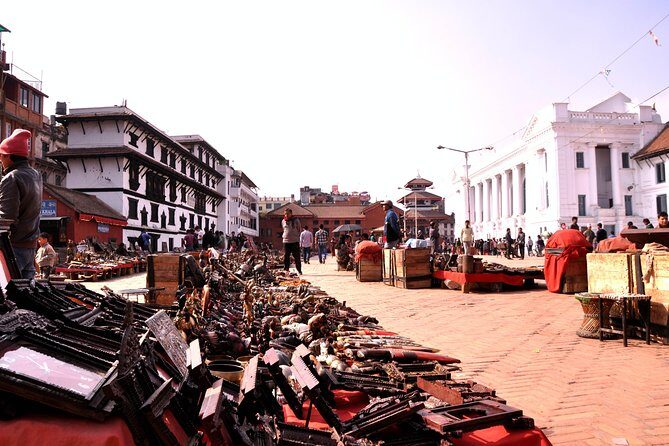
Durbar Square is a headline attraction for a reason. It’s packed with ancient royal architecture and a blend of religious sites, sculptures, and palace-area structures from the former Kathmandu kingdom. In one area, you can feel the mix of Newari artistic traditions and the influence of rulers like the Malla and Shah kings who ruled the city.
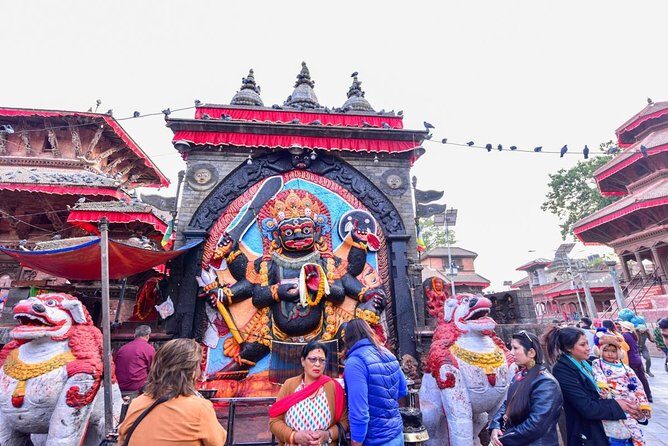
What makes it special is how many distinct landmarks sit close together. As you move around, you’ll see named temples and features such as the Trailokya Mohan Narayan temple, Hanumandhoka, the Hanuman statue, the Basantpur Tower, Kaal Bhairab, Ashoka Binayak, Taleju temple, Kotilingeshwara Mahadev temple, Indrapur temple, Bishnu temple, and Kumari Bahal. That’s a lot for one site—so it helps that your guide gives you the story behind the layout instead of just pointing.
Why your guide’s explanation really matters here
Durbar Square is one of those places where details matter: which structure came from which tradition, how the temples and murtis relate to royal space, and why multiple sacred elements coexist in the same courtyard-style environment. The tour is designed around that kind of reading experience, with you listening to in-depth background for each stop.
What to consider before you go in
Two practical things: first, the tour time for Durbar Square is about 2 hours, so you’ll want to keep an eye on where you want to spend your “photo time.” Second, some monuments here (and other places on the route) were impacted by the 2015 earthquake, so you may see collapsed sections or areas that look different than you’d expect.
Swayambhunath (Monkey Temple): city views plus Buddhist symbolism you can spot
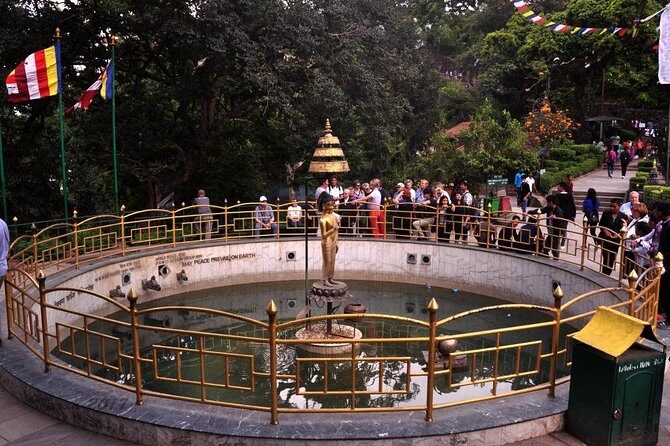
After the royal core of Durbar Square, Swayambhunath feels like a change of pace, even though you’re still in the Kathmandu valley. It’s one of Nepal’s holiest Buddhist chaityas, and the area is widely known as Monkey Temple—so keep an eye out for the local antics as you approach.
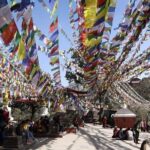
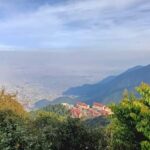
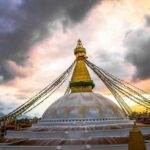
Swayambhunath is also a natural viewpoint. It sits on a hilltop, so you’ll get panoramic city views while you walk through the temple/stupa area. When you’re there, pay attention to the stupa’s design because it’s loaded with meaning:
- The stupa has a dome at the base.
- Above it sits a cubical structure painted with the eyes of Buddha looking in all directions.
- The dome represents the world, while the eyes point to wisdom and compassion.
- Symbol details like the curly element representing the nose tie to themes like unity of all things.
The tour time here is about 1 hour 30 minutes, which is enough to take in the stupa symbolism and still look around without feeling rushed.
You can also read our reviews of more private tours in Kathmandu

A good way to enjoy it
Swayambhunath works best when you slow down long enough to “read” what you’re seeing. Your guide’s background helps here: you’re not just looking at a view; you’re looking at a religious message crafted into stone and painted symbols.
Boudhanath Stupa: the giant mandala-shaped pilgrimage center
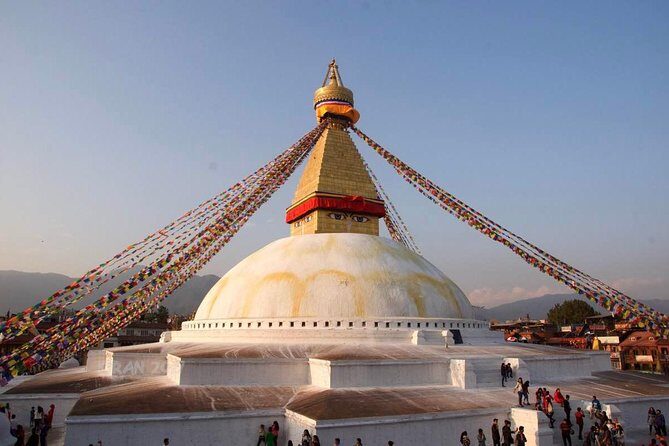
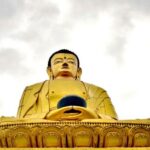
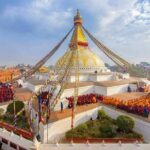
Boudhanath is one of the most recognizable stupa landscapes in the Kathmandu Valley. This chaitya is known as one of the largest stupas in the world, and it functions as a major Buddhist pilgrimage site.
It’s also geographically and visually distinct. The stupa is around 11 km from the center and sits on the northeastern outskirts of Kathmandu, so the surroundings feel like a quieter zone compared to the denser core. When you arrive, you’ll notice it’s built in a mandala-shaped area with a giant dome. That design affects how the space feels—more like a spiritual “circle” you move through than a single monument you simply pass by.
Boudhanath isn’t alone in its significance. It’s surrounded by hundreds of monasteries, and it’s remembered for both architectural values and ancient Buddhism philosophy. The tour also notes the historical role of the Licchhavi rulers, who renovated the stupa during the 8th century, helping shape it into the mandala-like form associated with Boudhanath today.
The tour time here is about 1 hour, which is a good length for taking in the main stupa area and letting the mood settle in.
What to consider
Because it’s a pilgrimage hub, it can be busy. It helps if you focus on what you came for: the scale of the dome, the mandala setting, and the surrounding monasteries that frame the whole place. Try to keep your expectations simple: you’re there to experience a Buddhist center, not to tick off every side corner.
Pashupatinath Temple: Shiva worship on the Bagmati River
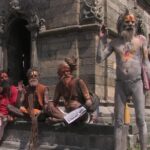
Pashupatinath is the most revered Hindu temple in Nepal, dedicated to Lord Shiva. If you want a snapshot of how deeply Hindu worship shapes daily life in Kathmandu, this is the stop.
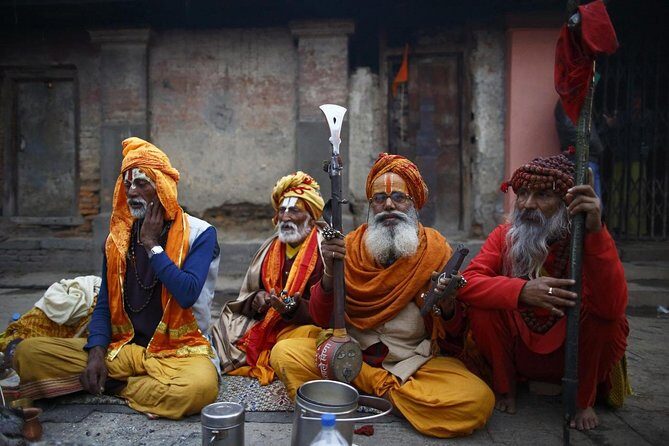
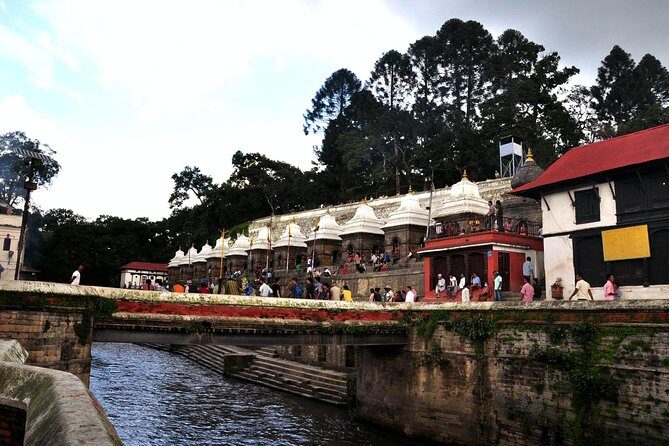
The setting matters. The temple is located on the banks of the Bagmati River, and the complex includes a mix of religious and spiritual spaces, with Buddhist chaityas also found around the premises. That blend of traditions is part of what makes the area feel like a living sacred zone rather than a museum.
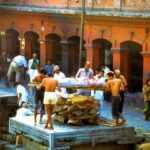
Pashupatinath is also described as having an enormous cluster of shrines and temple structures around it, including areas and named sites such as Deupatan, Jaya Bageshori, Gaurighat (the holy bath), Kutumbahal, Gaushala, Pingalasthan, and Sleshmantak forest. The tour information highlights the scale as roughly 492 temples, along with 15 Shivalayas and 12 Jyotirlinga shrines (phallic shrines). There’s also a cremation site on a raised platform along the Bagmati River.
How to handle a place like this
This is one of those locations where your best move is to stay respectful and follow your guide’s lead. Keep your voice down, watch how worshippers behave, and treat it as a serious religious space. Your guide’s explanations are especially useful here because the “what” is obvious—you’ll see Shiva worship—but the “why” (and how all the named areas relate) is where the tour adds real value.
The tour time is about 1 hour 30 minutes, which helps you cover the main areas without feeling like you’re speed-walking through something sacred and intense.
Practical value: is $100 per person a good deal?
At $100 per person for about 8 hours, the value depends on what you’d otherwise do on your own. If you’re trying to stitch together separate private guides, taxis, and time-consuming route planning, this starts looking efficient fast. You’re paying for three things:
- Private, air-conditioned transport across multiple distant-feeling sites
- Pickup and drop-off in Kathmandu City
- A professional English-speaking guide to explain each major location
Now, two costs to factor in: food and monument entrance fees are not included. You’ll get 1 bottled water per person, so you’ll want to plan for extra water and simple snacks if you tend to get hungry while walking and waiting for photos.
If you like structure—having the day organized for you—this kind of tour often feels like a bargain. If you prefer total freedom and don’t care about guided interpretation, you might find cheaper options. But if your goal is to understand Kathmandu quickly and respectfully, this pricing often lands in the “fair” zone.
Timing and pacing: why the 8-hour plan works
This tour is built around a logical flow:
- Durbar Square first, when you can focus on royal architecture and courtyards with fresh energy.
- Then Swayambhunath for the hilltop views and Buddhist symbolism.
- Next Boudhanath for the wide, mandala-shaped stupa atmosphere.
- Finally Pashupatinath, the heaviest spiritual stop, when you’re ready for a more reflective ending.
The time allocations are clear: about 2 hours at Durbar Square, about 1 hour 30 minutes at Swayambhunath, about 1 hour at Boudhanath, and about 1 hour 30 minutes at Pashupatinath. Add travel time between stops, and you get a day that feels full but not chaotic.
Heat and walking: the realistic consideration
Kathmandu can be hot, and the route includes hilltop and temple-area walking. One past traveler feedback theme was that heat made walking a bit difficult. That’s your cue to bring practical comfort items and don’t underestimate how tired you’ll get after multiple sacred sites in one day.
Tips to make your day smoother
Bring your own comfort choices, because the tour only provides one bottled water per person. You’ll also want to be ready for changing surfaces and crowds around major religious landmarks.
A few smart things to do based on the tour notes and the reality of these sites:
- Bring a mask (recommended).
- Wear clothes that work for warm weather and long walks.
- Expect some earthquake impacts from 2015 at monuments that may have been collapsed.
- Listen closely when your guide starts naming structures and describing symbolism. It turns what could be “just sightseeing” into actual understanding.
Who this tour suits best
This is a great fit if you:
- Want a guided “greatest hits” Kathmandu day without figuring out transport between sites
- Care about meaning and background, not just photos
- Prefer the comfort of a private, air-conditioned vehicle
- Have limited time and want Durbar Square, Swayambhunath, Boudhanath, and Pashupatinath handled in one go
It’s less ideal if you want a very laid-back day with no schedules at all. This is active, and it moves site to site.
Should you book Kathmandu City Sightseeing Private Day Tour?
I’d book it if you want one efficient day that covers the city’s biggest historic and religious landmarks with a guide who explains what you’re seeing. The private A/C transport plus pickup/drop-off makes it easy to commit to a full itinerary without wasting time hunting for rides.
Skip or rethink it if monument entrance fees and your own food budget would stretch you, or if you know heat and temple-area walking wear you down quickly. In that case, you can still enjoy Kathmandu, but you might want a shorter or more flexible plan.
If your priority is to leave with a clearer sense of Kathmandu’s royal architecture and major faith traditions—Buddhist stupa symbolism to Shiva worship on the Bagmati—this is a solid, practical choice.
FAQ
What time does the Kathmandu City Sightseeing Private Day Tour start?
The start time is 9:00 am.
How long is the tour?
The tour runs about 8 hours.
Is pickup and drop-off included?
Yes. Pickup and drop-off from designated meeting points within Kathmandu City are included.
Are monument entrance fees included?
No. Monument entrance fees are not included.
What’s included in the tour price?
Included items are a professional English-speaking tour guide, sightseeing transport by private vehicle with A/C, 1 bottled water per person, and pickup/drop-off.
Is this tour private or shared?
This is a private tour/activity. Only your group participates.