REVIEW · KATHMANDU
Nagarkot Sunrise With 7 UNESCO World Heritage Private Tour
Book on GetYourGuide →Operated by Mount Glory Treks · Bookable on GetYourGuide
Sunrise first, UNESCO second. This private tour pairs a Himalayan glow at Nagarkot with classic Kathmandu Valley UNESCO landmarks.
I love the way the day mixes big “wow” views with real religious meaning, not just photo stops. I also like the comfort and control: a private AC vehicle, hotel pickup/drop-off inside Kathmandu Valley, and an English guide who stays focused on your questions.
One consideration: it’s a long, packed 12 hours. Between the early sunrise timing and multiple temple squares, you’ll want good walking shoes and patience for a slower day on stone steps.
In This Review
- Key moments worth planning for
- Nagarkot Sunrise at 2175m: the Himalayan light show
- Why a private English guide matters for Hindu and Buddhist landmarks
- Changunarayan Temple: ancient carvings and a quick hilltop stop
- Bhaktapur Durbar Square: a living museum of stone, pagodas, and power
- Patan Durbar Square: Newari craftsmanship and the Krishna Mandir
- Boudhanath Stupa: Tibetan Buddhism on a huge scale
- Pashupatinath Temple on the Bagmati River: sacred rituals, including cremations
- Kathmandu Durbar Square and Swayambhunath: kings, temples, and the Monkey Temple views
- Price and logistics: what $172 really covers
- Timing, energy, and how to make this day feel good
- Who should book this tour (and who might not)
- Should you book it?
- FAQ
- How long is the Nagarkot sunrise and 7 UNESCO private tour?
- Is this tour private or shared?
- What’s included in the price?
- Are UNESCO entrance fees included?
- Do I need to pay now?
- What is the cancellation policy?
Key moments worth planning for
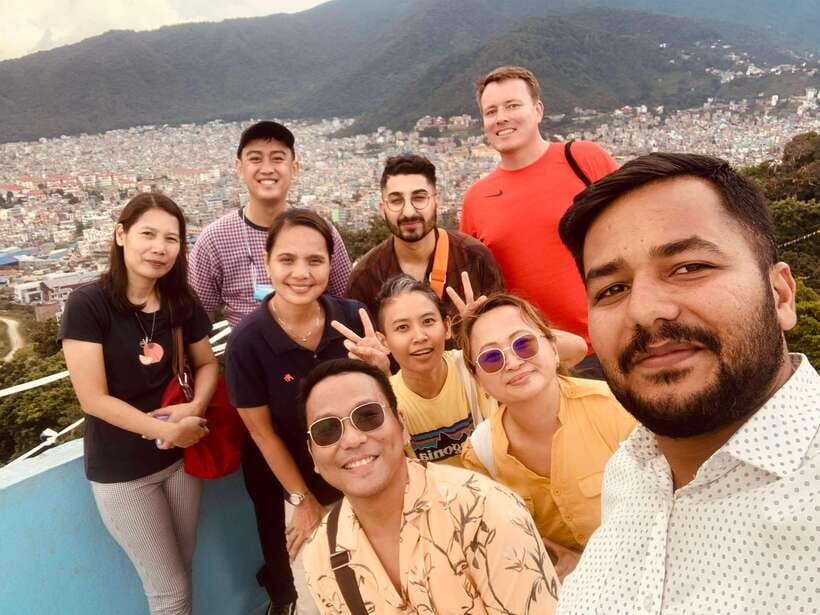
- Nagarkot at 2175m for sunrise views over the Himalayan range, sometimes including Everest on clear days
- 7 UNESCO sites in one day across Kathmandu, Patan, and Bhaktapur
- Buddhist and Hindu context you get from a live English guide, not a generic script
- Boudhanath Stupa with its massive mandala and Tibetan Buddhist daily life around the square
- Pashupatinath on the Bagmati River, including traditional cremations along the riverbank
- Swayambhunath for stupa views over the city and the famous monkey presence
Nagarkot Sunrise at 2175m: the Himalayan light show
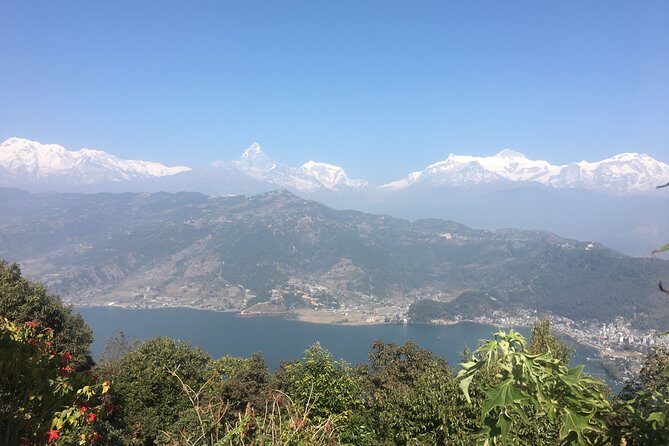
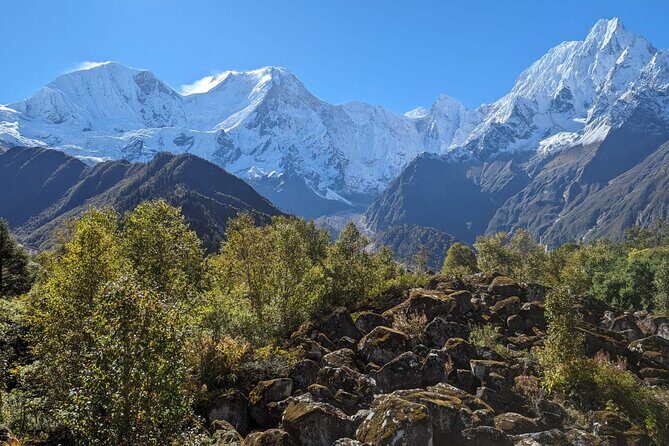
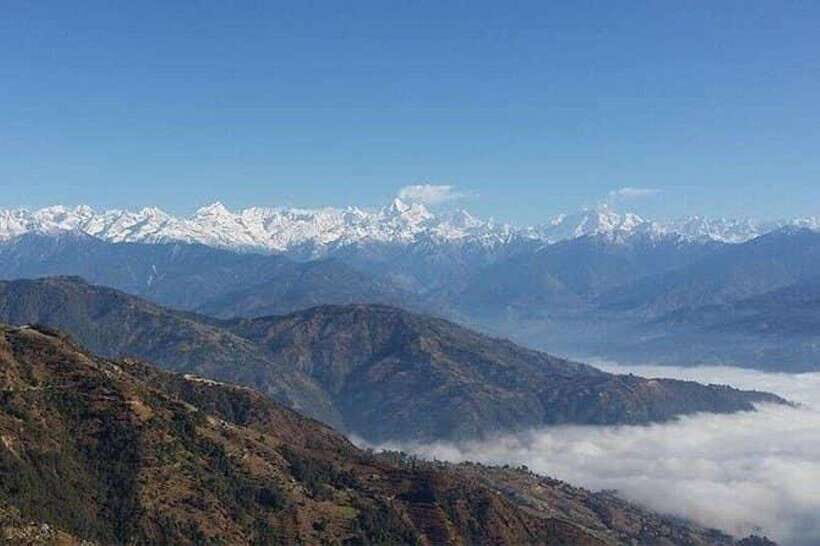
Nagarkot is one of those Nepal spots that feels made for mornings. You head up to a hill viewpoint at about 2175m and spend time waiting for the moment when the sky flips from dark to golden. On clear days, you can even catch the Himalayas including Mount Everest in the distance—cloud cover is the big wildcard, so don’t set a single rigid expectation.
The sunrise block runs about two hours, which is a gift. It means you’re not just sprinting for a peak second of light; you get time for the slow change—first edges of mountains, then brighter ridgelines, then that warm glow rolling across the view.
Practical tip: bring layers. Even if Kathmandu feels warm, mornings in the hills can feel cooler, and you’ll be standing around watching the horizon. Also, give yourself time to adjust your camera settings; the light changes fast once the sun clears the clouds.
You can also read our reviews of more private tours in Kathmandu

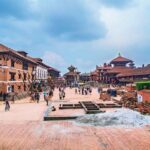
Why a private English guide matters for Hindu and Buddhist landmarks
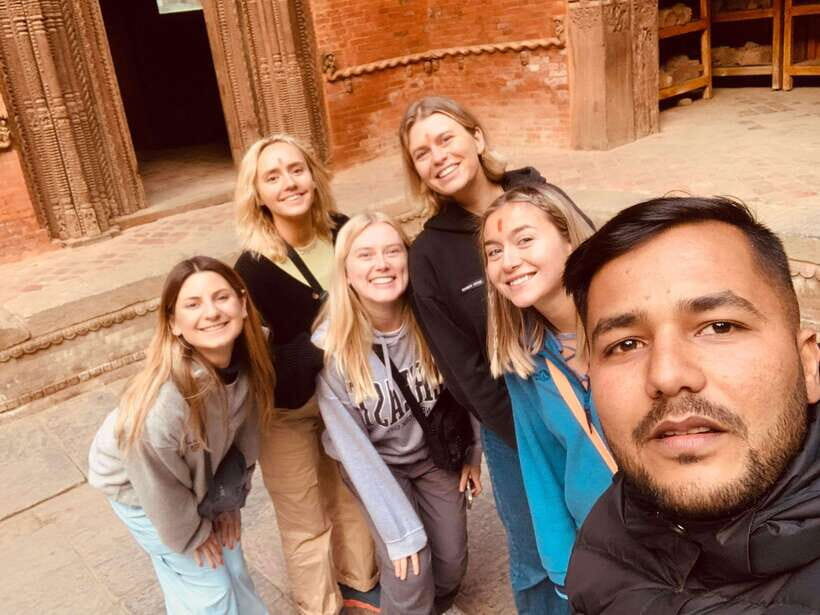
This tour is private, with an English-speaking guide and a dedicated driver in an AC vehicle. That sounds like comfort marketing, but in practice it changes how you experience the sites. When you’re hopping between temples, stupas, and palace squares, it helps to have one person tying it together—who worships where, why certain rituals happen, and what you’re actually looking at.
In the best moments, the guide doesn’t just point at details. They take questions and explain how Hindu and Buddhist traditions overlap in daily life. On at least one Shiva-themed day, the guide connected the sights to the rhythm of rituals and belief, which made the day feel less like a checklist and more like understanding a living culture.
If you like conversation, this kind of private pacing works. If you prefer silent head-bobbing sightseeing, you can still keep it light, but you won’t lose anything by having the option to ask why.
Changunarayan Temple: ancient carvings and a quick hilltop stop
Your day includes Changu Narayan Temple, often described as the oldest Hindu temple in the Kathmandu Valley, dedicated to Lord Vishnu. It sits on a hilltop and is famous for intricate stonework, with traditional architecture said to date back to the 4th century.
You’ll likely only have about 30 minutes here, so treat it like a targeted “first look” rather than a slow museum visit. The payoff is that you’re starting your UNESCO day with a small, ancient-feeling place. You get a sense of craftsmanship early, before you move to larger Durbar Squares and bigger stupas.
What to watch for: carvings and repeated motifs. When a guide highlights what the details represent, the short stop becomes more rewarding than a longer stop where you’re just trying to read signs.
Bhaktapur Durbar Square: a living museum of stone, pagodas, and power
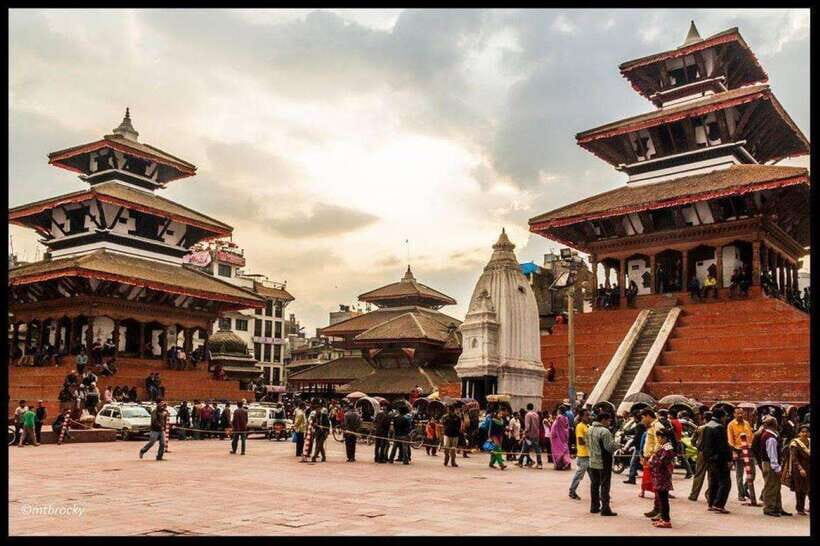
Bhaktapur’s Durbar Square is where the past feels close enough to touch. You’ll see traditional art and architecture presented as something people still use and recognize. The highlights include the 55-Window Palace, plus Vatsala Temple and Nyatapola Temple.
This is also one of those places where time feels different. Even if your sightseeing window is around 1.5 hours, the square tends to pull you along because the details repeat in different forms—doorways, roof shapes, carved supports, and temple layouts.
Balanced note: Bhaktapur involves walking on uneven surfaces and climbing small steps to viewpoints and temple areas. If you’re traveling with mobility limits, plan for slower movement and expect the day to feel physically longer once you stack this stop with the rest of the UNESCO list.
Patan Durbar Square: Newari craftsmanship and the Krishna Mandir
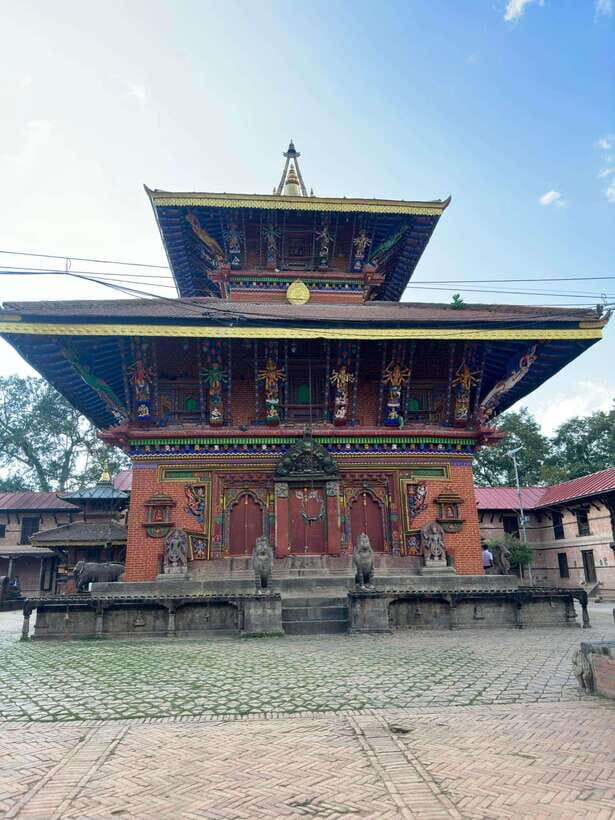
Next up is Patan Durbar Square, in Lalitpur (Patan). This square is known for Newari architecture, palaces, and many temples. One standout noted here is the Krishna Mandir.
Patan often feels like a “handmade” version of the valley’s grander monuments. You’re not just looking at a structure; you’re looking at a tradition of stone-and-wood craft that’s been maintained for generations. With about one hour here, you’ll want to pick a couple of anchor points—maybe the main temple clusters and the areas the guide points out—so you don’t spend the whole time drifting.
Practical approach: if you’re the type who likes photos, this is a good place to pause and frame properly. If you’re more into meaning, ask your guide what makes Newari style distinct here, and how the palace layout reflects older power and devotion.
You can also read our reviews of more historical tours in Kathmandu

Boudhanath Stupa: Tibetan Buddhism on a huge scale
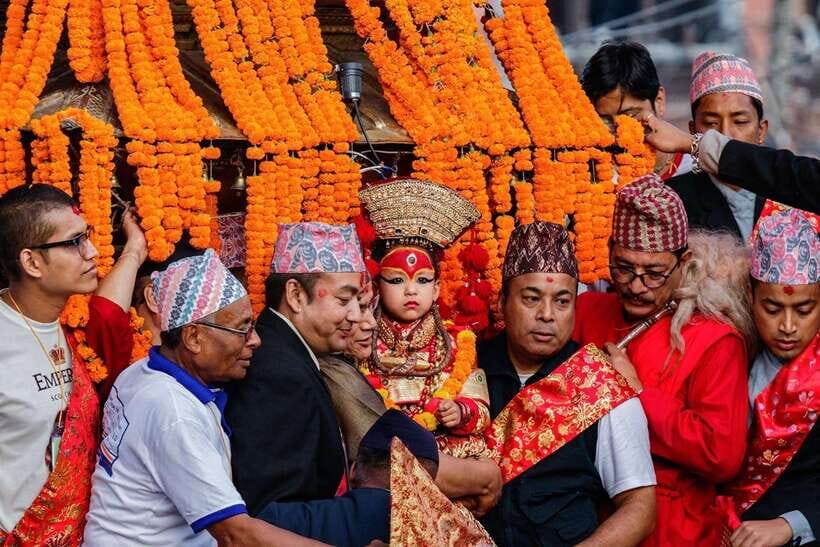
Boudhanath Stupa is one of the biggest and most striking spiritual landmarks in the valley. It’s described as among the largest stupas in Nepal, with a massive spherical form and a mandala design that makes it easy to spot even from a distance. The area around it is also a focal point for Tibetan Buddhism, with monasteries and visible daily routines.
Your sightseeing time is about one hour, which is enough to absorb the main scale and watch how people interact with the space. This is also a place where prayer wheels, surrounding monasteries, and the general flow of foot traffic help you understand Buddhism as something lived, not just displayed.
Tip: don’t treat it as only a “look at the monument” stop. When your guide explains the symbolism and the role the stupa plays in Tibetan practice, the same shapes suddenly feel more personal.
Pashupatinath Temple on the Bagmati River: sacred rituals, including cremations
If you want one place that feels intense and unforgettable, it’s Pashupatinath Temple. It’s a major Hindu pilgrimage site dedicated to Lord Shiva, located on the banks of the Bagmati River.
This is where the day gets emotionally real. The temple complex is known for traditional cremations along the riverbank. That part of the site can hit hard. One guide-led experience described how the funeral and cremation process made a powerful impression—so expect strong feelings, even if you’re not religious yourself.
How to handle it respectfully: keep your focus on what’s happening and follow your guide’s pacing. If you feel uneasy, you’re not failing; you’re responding to something meaningful. This stop is not about entertainment. It’s about witnessing a ritual space with rules and sensitivity.
Because your viewing window is about 40 minutes, you’ll likely see enough to understand why Pashupatinath matters without being stuck for hours. Still, bring the right mindset: quiet attention beats rushing for photos.
Kathmandu Durbar Square and Swayambhunath: kings, temples, and the Monkey Temple views
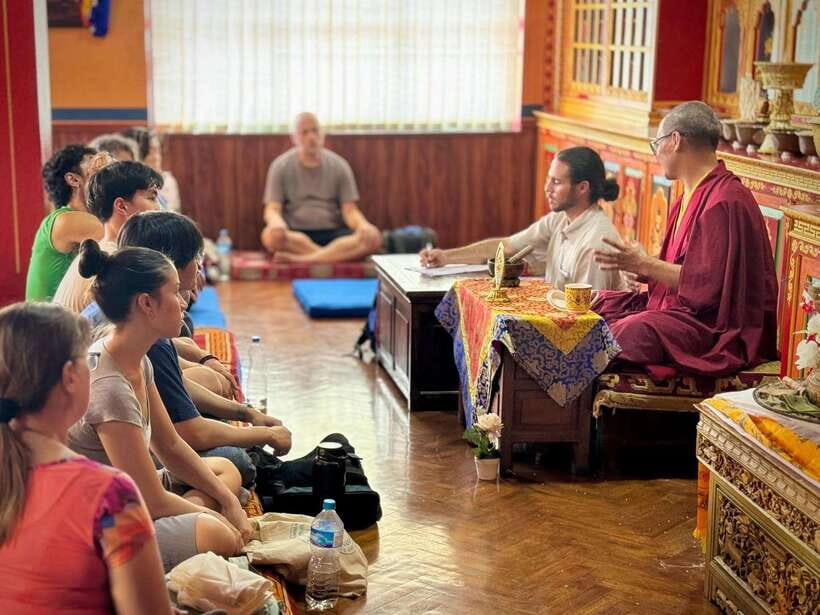
Back in Kathmandu, you’ll visit Kathmandu Durbar Square, once the royal palace area of the Malla kings. Today it’s a historic plaza of palaces, courtyards, and temples. It’s also tied to religious and cultural festivals, so it can feel like the city’s center of old ceremonial life.
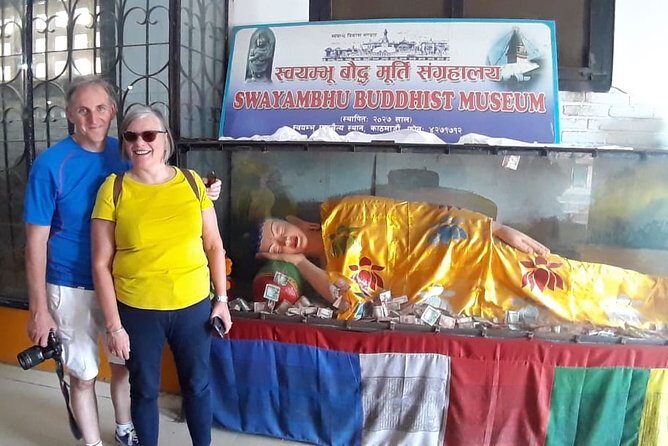
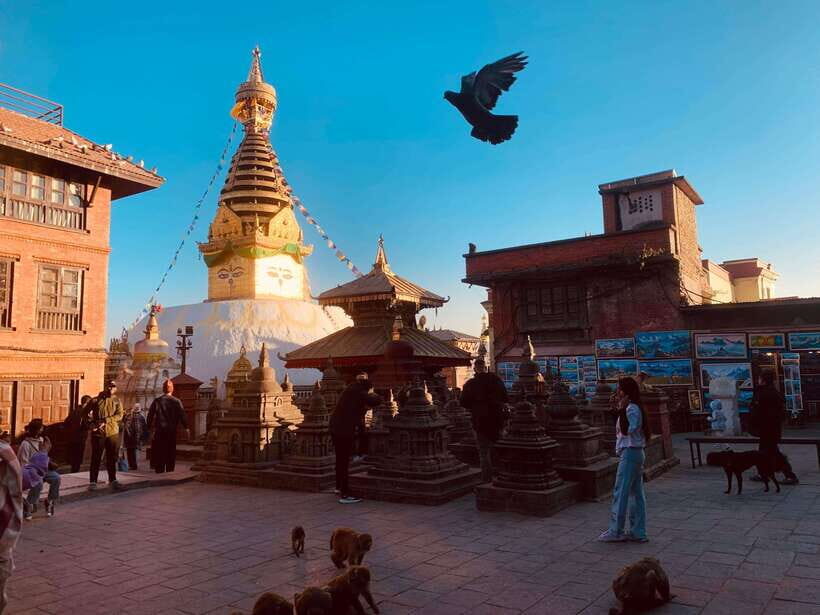
You’ll also see Swayambhunath Stupa, known widely as the Monkey Temple. It sits atop a hill, revered in both Buddhism and Hinduism. The complex includes the stupa and prayer wheels, and it’s famous for the monkeys living there.
You’ll likely spend about one hour at Durbar Square, then about 30 minutes at Swayambhunath. That short-and-sweet timing is smart because both are visually dense. But it also means you won’t have time to wander aimlessly for long—so let the guide steer you to the key viewpoints and sacred details.
One more practical note: Swayambhunath’s hill location means you’ll be near stairs. If you’re wearing shoes you like but aren’t good on steps, this is the moment to reconsider.
Price and logistics: what $172 really covers
At $172 per person for a 12-hour private day, the value comes from the mix of guide time and private transport. Included are an English-speaking guide, a private vehicle with AC, pickup and drop-off within Kathmandu Valley, and a bottle of mineral water.
What’s not included: UNESCO entrance fees, listed as around 6000 Nepali Rupee, plus food and drinks. That means you should budget for the entry costs and plan your own meals. Since the day is packed, it’s smart to bring a simple snack plan or arrange lunch timing that works for you.
Also, because sunrise depends on visibility, you’re paying for the chance to see the Himalayas, not a guaranteed cloud-free view. The tour setup gives you the best shot at sunrise light, but weather still calls the final decision.
Timing, energy, and how to make this day feel good
This tour is a long one. You’re stacking sunrise viewing with multiple major heritage sites across Kathmandu, Bhaktapur, and Patan. That can feel amazing if you’re in your element—photos, questions, and cultural context. It can feel tiring if you prefer slower, fewer stops.
Here’s how to make it work:
- Keep your pace mentally flexible. Temple squares move at a human speed.
- Wear comfortable shoes and expect stairs.
- Plan hydration. Mineral water is included, but you’ll still need to drink during the day.
- If clouds wipe out the mountain view, lean into the cultural side. The UNESCO sites are still the main story.
If your priority is sunrise and you’re okay with a full day of walking, this is a strong match.
Who should book this tour (and who might not)
This is a great fit if you want:
- One-day access to multiple Kathmandu Valley UNESCO sites with a guide who explains the religious and historical context
- The chance for a Nagarkot sunrise view over the Himalayas (including Everest on clear days)
- A private pace that lets you ask questions and move with less hassle
You might consider a different style if:
- You dislike long days or you’re sensitive to emotionally intense ritual sites like cremations
- You want lots of free time to wander without structure
- You’re traveling only for views and prefer fewer stops
Should you book it?
Yes, if you want a tightly guided, private day that hits both sunrise drama and major heritage. The strongest selling point is the combination of Nagarkot’s Himalayan morning with the chance to understand what you’re seeing at places like Boudhanath and Pashupatinath, instead of treating them like empty photo backdrops.
Just book it with two clear expectations: the day is long, and the sunrise view depends on weather. If you go in ready for both culture and early morning energy, this tour is a high-value way to experience Kathmandu Valley in one go.
FAQ
How long is the Nagarkot sunrise and 7 UNESCO private tour?
The duration is 12 hours.
Is this tour private or shared?
It’s a private group.
What’s included in the price?
You get a well English-speaking tour guide, a private vehicle with AC, hotel pickup and drop-off inside Kathmandu Valley, and a bottle of mineral water.
Are UNESCO entrance fees included?
No. UNESCO entrance fees are not included and are listed as around 6000 Nepali Rupee.
Do I need to pay now?
You can reserve now and pay later, depending on availability.
What is the cancellation policy?
Free cancellation is available up to 24 hours in advance for a full refund.