REVIEW · KATHMANDU
Explore Kathmandu with Local Guide
Book on Viator →Operated by Sabbatical Explore Nepal (Social Tourism Nepal) · Bookable on Viator
Kathmandu in four focused stops. This private walking route with guide Shiva turns big-name sights like Swaymbhunath into a more personal, smaller-scale look at daily Kathmandu, and I liked the included admission for two major sites plus the way the guide works with your pace, including breaks when you want them. The one thing to plan for: expect a good chunk of walking, and the experience depends on good weather, so bring comfy shoes and keep an eye on the forecast.
For value, this tour hits a smart rhythm: viewpoints and temples, a fast cultural stop at Kathmandu Durbar Square, then a museum hour at Hanuman Dhoka and market time. It costs $75 for about 3 to 4 hours, and you also get a bottle of mineral water per person. Admission is partly included and partly not, so you’ll want to budget a little extra for Kathmandu Durbar Square.
In This Review
- Key Highlights You’ll Notice Fast
- Why This Kathmandu Route Works So Well for a First Visit
- Price and Logistics: What $75 Actually Buys
- Stop 1: Swaymbhunath (Monkey Temple) With the Right Kind of Attention
- Stop 2: Kathmandu Durbar Square—Fast Orientation at Hanuman Dhoka’s Bigger Neighborhood
- Stop 3: Kumari Chowk and the Living Goddess Concept
- Stop 4: Hanuman Dhoka Palace and Its Museum Hour
- Market Time: Local and Farmer’s Markets Where Kathmandu Lives
- The Pace: Walking Comfort and Realistic Expectations
- Who Should Book This Tour (and Who Might Want Something Else)
- Should You Book This Explore Kathmandu With Local Guide?
- FAQ
- How long is the Kathmandu guided experience?
- What’s included in the tour price?
- Are admission tickets included for all stops?
- Is this a private tour?
- When will I receive confirmation after booking?
- What happens if the weather is poor?
Key Highlights You’ll Notice Fast
- Swaymbhunath with admission included so you can focus on the views and the stories
- Kumari Chowk stop centered on the living goddess concept, with entry listed as free
- Hanuman Dhoka Palace museum visit for about an hour with admission included
- Kathmandu Durbar Square quick look (ticket not included) that helps you place what you see
- Local market and farmer’s market time built into the same morning flow
- Private group with pickup option and mobile ticket for a smooth, no-hassle start
Why This Kathmandu Route Works So Well for a First Visit
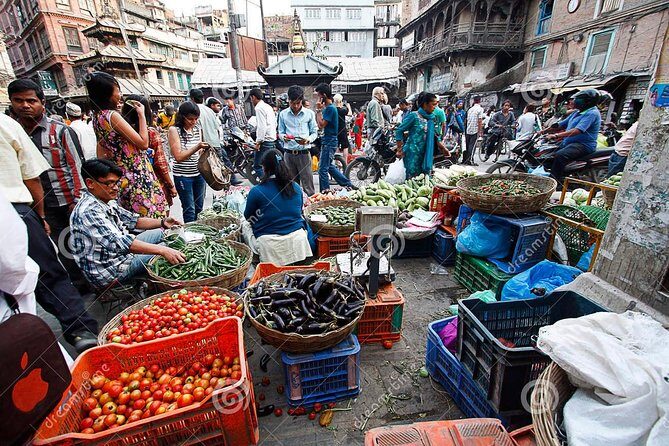
Kathmandu can feel like sensory overload. Streets, temples, crowds, horns, prayers—everything happens at once. This kind of guided walk helps you sort it out without spending half your day trying to figure out what you’re looking at.
I like tours that give you three things in one go: context, access, and a reason to care. Here you get context through a guide who knows the city well (Shiva is a standout name in the feedback), access through included entry at key stops, and a reason to care because you’re not only staring at monuments—you’re also ending in market life.
The private setup also matters. Only your group participates, and that usually means you can ask questions without being rushed or waiting your turn at every corner.
You can also read our reviews of more guided tours in Kathmandu
Price and Logistics: What $75 Actually Buys
At $75 for roughly 3 to 4 hours, you’re paying for a guide plus some built-in “time-savers.” Pickup is offered, there’s a mobile ticket, and you get a bottle of mineral water per person. Those are small items, but they add up on a short Kathmandu trip—less fuss, less hunting.
Admission is mixed by stop. Swaymbhunath includes an admission ticket, and Hanuman Dhoka includes an admission ticket. Kumari Chowk is free. Kathmandu Durbar Square is the one major stop where admission is not included, so you should expect to pay separately there.
You’ll also want to factor in the “not included” items listed: sudden accident insurance is not part of the price, and personal expenses and lunch aren’t included. If you’re the type who likes snack stops or a longer lunch, plan extra time or budget.
Finally, the experience is described as near public transportation and “most people can participate.” That’s helpful, but it still reads like a walking tour—so think “comfortable shoes and patience,” not “sit-and-glide.”
Stop 1: Swaymbhunath (Monkey Temple) With the Right Kind of Attention
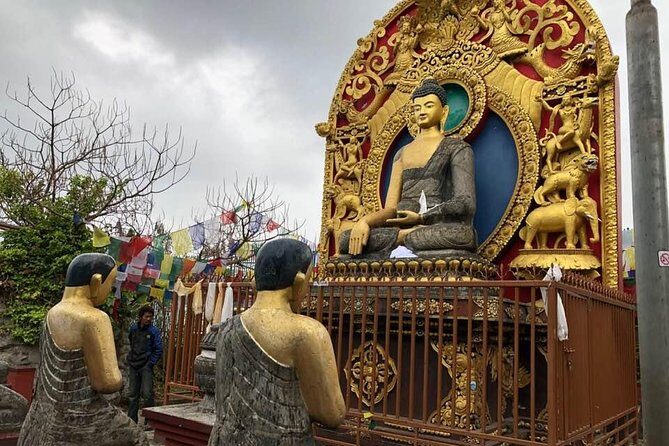
Swaymbhunath is famous, and for good reason. This is the Monkey Temple most people come to see first in Kathmandu. The guide’s job isn’t to repeat a postcard description—it’s to help you understand what you’re noticing while you’re there.
You’ll have about an hour here, with an admission ticket included. That hour is long enough to slow down. You can take in the religious atmosphere, watch how people move through the site, and get your first real sense of Kathmandu’s temple geography.
A practical note: famous places can get busy. Even if you don’t love crowds, a guide can still help you avoid wasting time and energy. Expect some stair-and-step movement at temple sites; if you’re traveling with limited mobility, mention it early so Shiva can pace the group.
My favorite part of starting here is the way it sets your internal map. After Swaymbhunath, Kathmandu Durbar Square and Hanuman Dhoka start to make more sense, because you’ll recognize names, styles, and the way different dynasties left their mark.
Stop 2: Kathmandu Durbar Square—Fast Orientation at Hanuman Dhoka’s Bigger Neighborhood
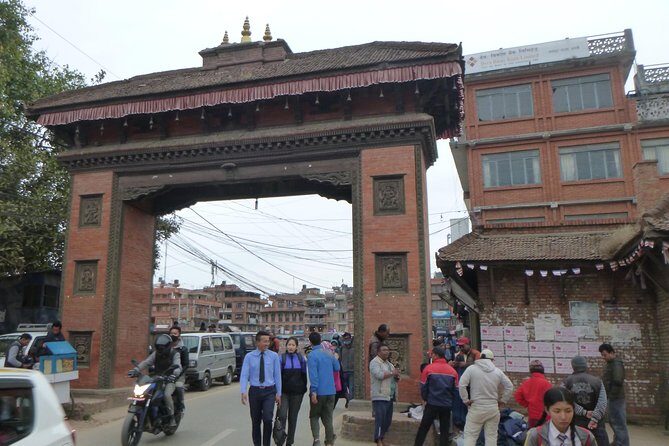
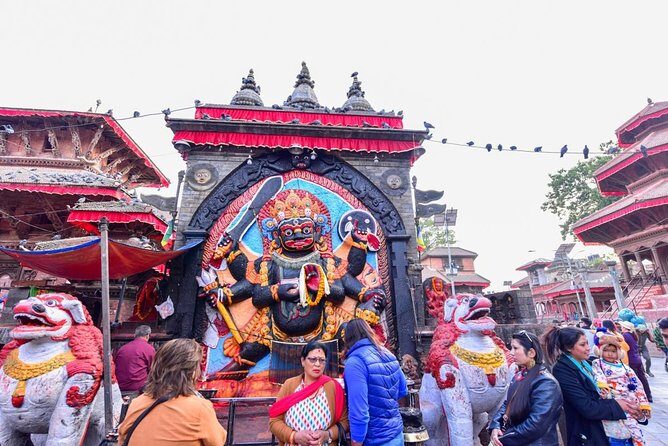
Kathmandu Durbar Square is where power and architecture overlap. It’s described as the medieval historical kings’ palace area of Kathmandu. You might also hear it referred to as Bhadarkhal and Hanuman Dhoka Durbar.
Your time here is about 15 minutes, and admission is not included. That short window tells you what this stop is meant to do: orientation. You’re not meant to see every corner. You’re meant to understand the setting so that the longer museum stop later feels meaningful rather than random.
What’s valuable about squeezing it in on this route is how quickly it ties the story together. Hanuman Dhoka isn’t just a single building—it’s part of the Durbar Square complex. So even a quick visit helps you connect what you see on the ground with what you’ll spend time learning at the next stop.
The possible drawback is obvious: if you want a deep, slow exploration of the palace grounds, 15 minutes might feel too short. If you’re into photography, you may also need a bit of flexibility with timing depending on the flow of people that day.
Stop 3: Kumari Chowk and the Living Goddess Concept
Kumari Chowk is short but memorable. You’ll spend about 15 minutes here, and entry is listed as free. Kumari is known as the living goddess in Kathmandu, and that single phrase carries a lot of cultural weight.
This is the kind of stop that works best when you’re open to watching rather than trying to “solve” everything immediately. Even if you’re not 100% sure what you’re seeing in the moment, the guide can explain the idea behind the living goddess tradition in a way that makes it feel less like trivia and more like part of the city’s daily rhythm.
If you’re sensitive to crowds, keep expectations realistic. Religious sites can draw lots of attention. But because your time here is limited, you can enjoy the atmosphere without being stuck for hours.




Stop 4: Hanuman Dhoka Palace and Its Museum Hour
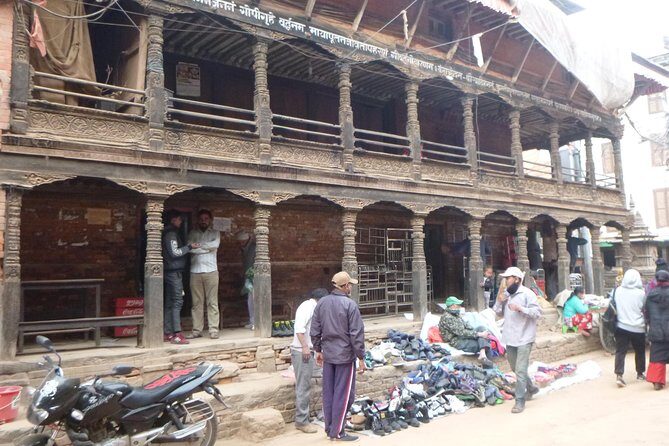
Hanuman Dhoka is a historical museum connected to royal palace structures in Kathmandu Durbar Square. The description points out that Hanuman Dhoka is a complex of structures tied to the Royal Palace of the Malla kings and also the Shah dynasty in Kathmandu Durbar Square.
Your time here is about an hour, and admission is included. This is the “take-your-time” stop of the walk. It’s where the route earns its keep. After seeing the area’s larger significance (even quickly), you get the chance to slow down and absorb how the museum pieces relate to the palace legacy.
One practical benefit of an included ticket: you don’t lose time tracking down what to buy. On short tours, those minutes are everything. And because the focus is museum-oriented, this can be a good reset if earlier stops felt hectic.
A small caution: museum time can feel still if you’re used to moving nonstop. But it’s also a relief—this is the point where you can catch your breath and let the story “land.”
Market Time: Local and Farmer’s Markets Where Kathmandu Lives
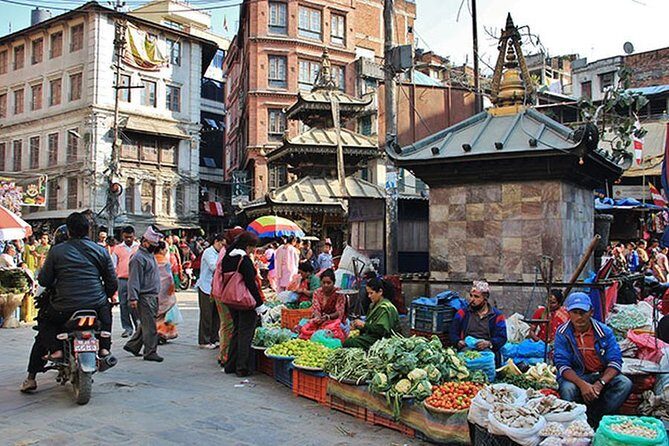
The tour ends with market time—local market and farmer’s market included. This is one of my favorite parts because it’s where you see the city outside the temple postcard.
Markets do two helpful things for a visitor. First, they show the everyday economy—what people buy, what stalls look like, how goods are displayed. Second, they give you a more human scale to match the monumental sites you’ve been seeing.
What you’ll like most depends on your travel style. If you enjoy food smells, conversation, and people-watching, you’ll get a lot out of this segment. If shopping isn’t your thing, you can still use this time to ask the guide questions about what you’re seeing.
Just remember: market time can run longer than you expect if something catches your attention. Having a guide who can adjust the pace (Shiva is specifically described as flexible and happy to let you rest) makes this kind of stop more enjoyable.
The Pace: Walking Comfort and Realistic Expectations
This is a walking experience. The best advice is simple: dress for your feet. Kathmandu’s temple and palace areas are uneven and full of stairs and steps in places, so wear shoes you trust.
The good news is the tour is private. That typically makes pacing easier. The feedback I saw emphasized that Shiva was kind, attentive, and willing to work with what you need—including flexibility to rest. That matters because “short tour” can still mean a lot of movement if you’re rushing yourself.
Also keep an eye on weather. The experience requires good weather. If it’s canceled due to poor weather, you’ll be offered a different date or a full refund.
Who Should Book This Tour (and Who Might Want Something Else)
Book this if you want:
- a guided first look at Kathmandu’s major spiritual and historic anchors
- included entry for Swaymbhunath and Hanuman Dhoka
- short, focused stops rather than a slow, all-day marathon
- private pacing with pickup option and a guide named Shiva
You might want a different type of tour if you:
- want a long, deep dive through Kathmandu Durbar Square itself (this route keeps that stop brief and ticketed separately)
- hate walking and want mostly driving or minimal stairs
If you’re traveling as a couple, a small group, or even solo, a private format like this is often one of the easiest ways to make a short Kathmandu stay feel “complete.”
Should You Book This Explore Kathmandu With Local Guide?
If you’re trying to get oriented fast and you like learning in the moment, I think this is a strong pick. The value comes from included admissions at major stops, plus practical extras like pickup and water, and then market time that gives you a more rounded sense of the city.
The main decision point is how you feel about walking and short stops. If you accept that Kathmandu Durbar Square is quick (and admission isn’t included there), you’ll likely come away feeling you understood the layout and the key characters of the story.
With a 4.9/5 rating and a high recommendation rate, plus guidance from Shiva that’s described as attentive and flexible, this looks like the kind of tour that does what it promises: smart coverage, good explanations, and time for real Kathmandu life at the end.
FAQ
How long is the Kathmandu guided experience?
It lasts about 3 to 4 hours.
What’s included in the tour price?
Pickup is offered, there’s a mobile ticket, and a bottle of mineral water per person is included. Local market and farmer’s market time is included too.
Are admission tickets included for all stops?
No. Admission is included for Swaymbhunath and Hanuman Dhoka. Admission for Kathmandu Durbar Square is not included, and Kumari Chowk is free.
Is this a private tour?
Yes. It’s a private tour/activity, so only your group will participate.
When will I receive confirmation after booking?
Confirmation is received at the time of booking unless you book within 12 hours of travel. In that case, confirmation is received as soon as possible, subject to availability.
What happens if the weather is poor?
This experience requires good weather. If it’s canceled due to poor weather, you’ll be offered a different date or a full refund.