REVIEW · KATHMANDU
From Kathmandu: 5-Day Gosaikunda Lake Trek
Book on GetYourGuide →Operated by Cordial Trek Pvt. Ltd. · Bookable on GetYourGuide
Four thousand meters and clean air.
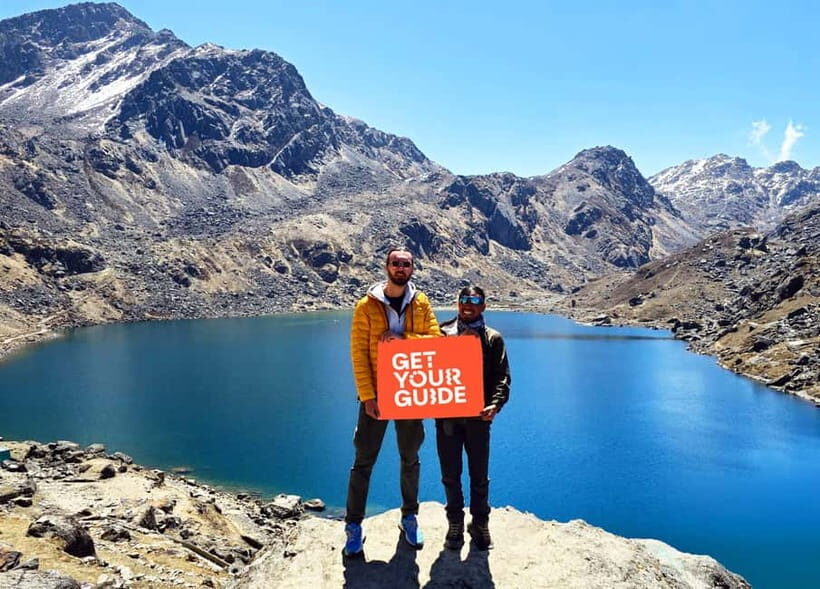
This short trek packs a big emotional wallop because Gosaikunda Lake sits at 4,380m, fed by glacial melt and surrounded by Langtang National Park scenery. I especially like two things: the chance to explore not just one lake, but several alpine kunda (like Bhairav Kunda, Chandra Kunda, and Saraswati Kunda), and the way a strong guide keeps you oriented about where you are and what you’re seeing. The one drawback to plan around: the climbs are steep in places and the altitude jumps, so it’s not a gentle stroll—this route isn’t for kids under 10, people with mobility impairments, or anyone over 140 kg.
In plain terms, you get a guided adventure with logistics that work: hotel pickup, bus rides KTM–Dhunche–KTM, mountain guesthouse nights, and trekking gear support like borrowed sleeping bags and trekking poles. The group stays small (up to 14), which matters when you’re sharing narrow trails and trying to move at a steady pace in the thin air.
In This Review
- Key Things You’ll Really Notice
- Getting From Kathmandu to Dhunche: The Quiet Build-Up
- Day 1: Dhunche to Deurali (2,790m) and Your First Real Effort
- Day 2: The Steep Push via Chandanbari to Laurebina (3,910m)
- Day 3: Gosainkunda (4,380m) and the Chain of Kunda Lakes
- Day 4: Descending Through Rhododendron, Pine, and Bamboo Back to Dhunche
- Day 5: Back to Kathmandu (1,350m) and Time to Reset
- Langtang National Park on Foot: Views, Wildlife Hopes, and Forest Feel
- Guide Support and the Small-Group Advantage
- Meals, Borrowed Gear, and How to Prepare Like a Pro
- Price and Value: Is $190 a Good Deal Here?
- Who Should Book This 5-Day Gosaikunda Trek (and Who Should Skip)
- Should You Book It? My Practical Call
- FAQ
- FAQ
- How high do you reach on this trek?
- How long is the trek and what are the daily components?
- What’s included in the price?
- Are trekking poles and a sleeping bag provided?
- What languages will the guide speak?
- Who is this trek not suitable for?
Key Things You’ll Really Notice
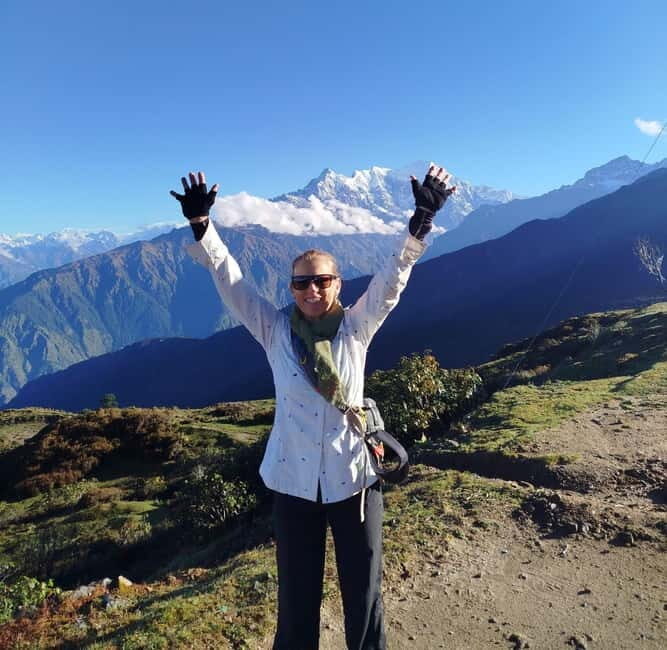
- Gosaikunda at 4,380m: a sacred glacial lake with big central-Himalaya views
- Multiple high alpine lakes: Bhairav, Chandra, and Saraswati Kunda around the main spot
- A short trek with real altitude: 5 days, but not “easy by default”
- Langtang National Park on the way: forests with rhododendrons, pine, and bamboo, plus wildlife possibilities
- Guide-led pacing and planning: you’ll get daily briefings and support from an experienced licensed trek guide
- Small-group hiking: limited to 14, so the day-to-day feels less crowded
Getting From Kathmandu to Dhunche: The Quiet Build-Up
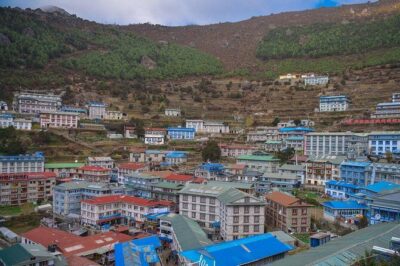
Your trek starts with a 5–6 hour drive from Kathmandu toward Dhunche, with pick up from your hotel in Kathmandu before heading to the bus stop. The road time is part of the experience. You’ll see terraced fields, lush green hills, and snow-capped peaks like Manaslu, Ganesh, and Langtang when conditions are clear.
This matters because it sets your expectations. Day 1 isn’t just “getting there.” It’s your first exposure to the terrain you’ll hike through later—switchbacks, mountain valleys, and that sense that you’re leaving the city comfort behind.
The practical tip: this is a long day before you start walking. If you’re prone to getting stiff, bring a little anti-stiffening routine on the bus—water, a few leg rolls, and move when you stop. You’ll thank yourself when you start the first climb.
You can also read our reviews of more hiking tours in Kathmandu
Day 1: Dhunche to Deurali (2,790m) and Your First Real Effort
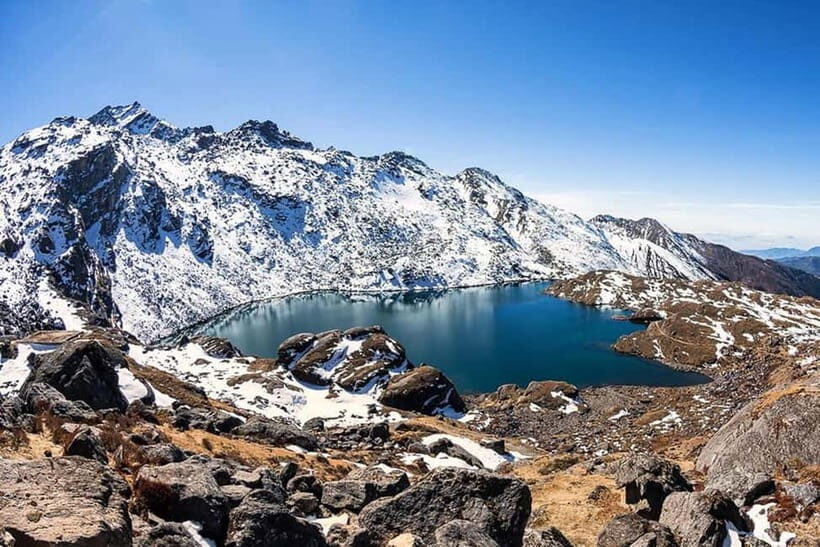
After a break in Dhunche, the hike begins with a brisk walk of about 2 hours up to Deurali (2,790m). It’s not the hardest day on the trek, but it’s the first step that tells you how your body reacts to the altitude. Think of it as a “warm-up hill,” not a test.
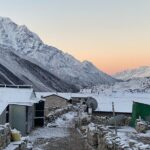
Deurali is also your first overnight at a mountain guest house. Guesthouses here are basic by design: you’re buying sleep, a hot meal, and a bed so you can climb again tomorrow. If you’re the type who needs a lot of creature comfort to rest, you’ll want to manage expectations early.
Also, watch how you feel during the ascent. A steep path can make you want to sprint. Don’t. Let your breath lead. This is one of those treks where steady effort keeps the day enjoyable, not miserable.
Day 2: The Steep Push via Chandanbari to Laurebina (3,910m)
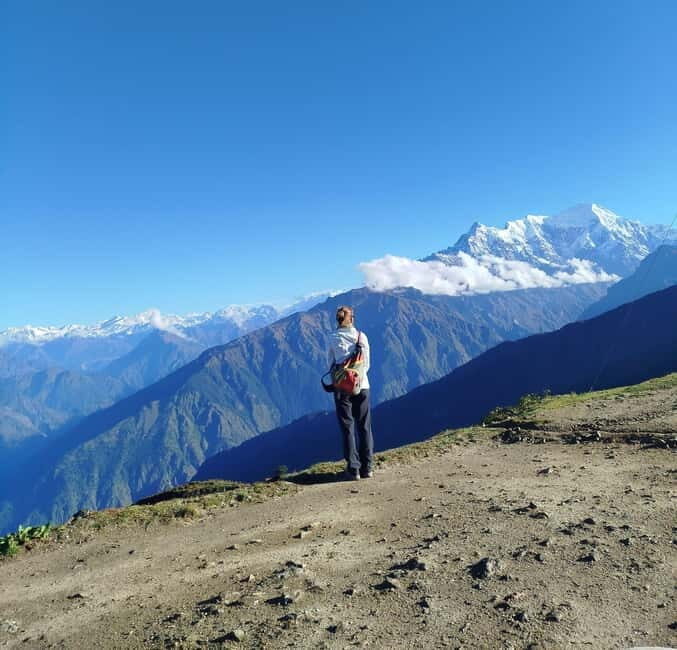
Day 2 starts with breakfast and a brief from your guide, then the hike turns more focused: you head toward Laurebina via Chandanbari. Expect an ascent on a steep path, and expect your legs to notice it. Laurebina sits at 3,910m, so you’re gaining elevation fast enough that pacing is key.
This is also a day where the “short trek” label can be misleading. Yes, it’s only 5 days. But Day 2 is one of the moments where your cardio and altitude tolerance are tested in a more direct way.
What makes Laurebina special is that it sets you up for the big Day 3 objective. By the time you arrive, you’re high enough that the air feels different and the light on the mountains tends to sharpen. Even if you don’t see everything at once, you’ll feel you’re approaching something significant.
That’s the value of a guided route here: the plan isn’t random. It’s built around getting you to the main lakes with enough time to actually enjoy them.
Day 3: Gosainkunda (4,380m) and the Chain of Kunda Lakes
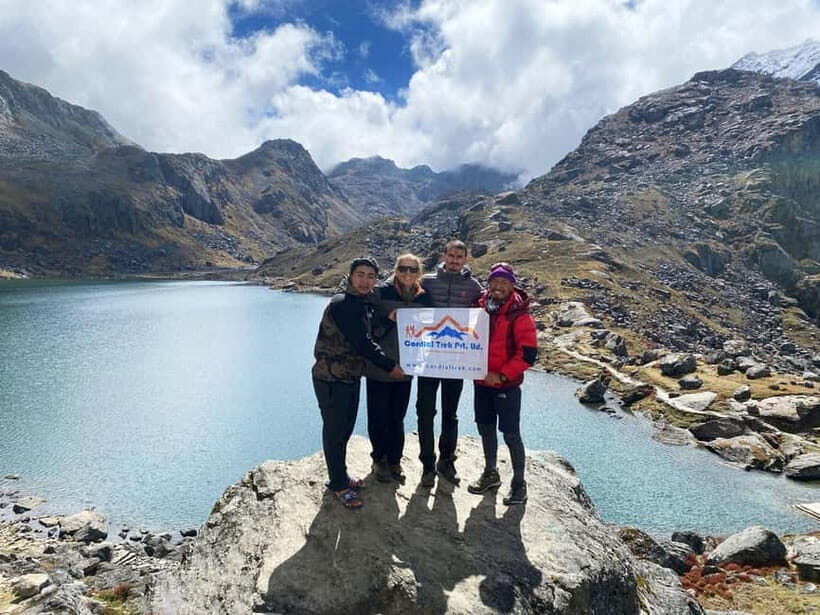
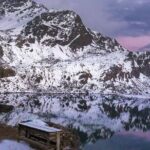
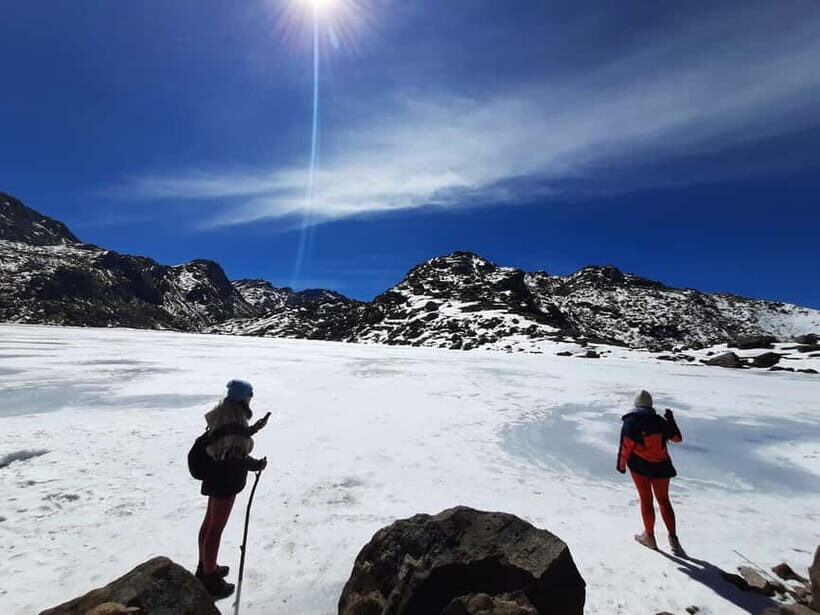
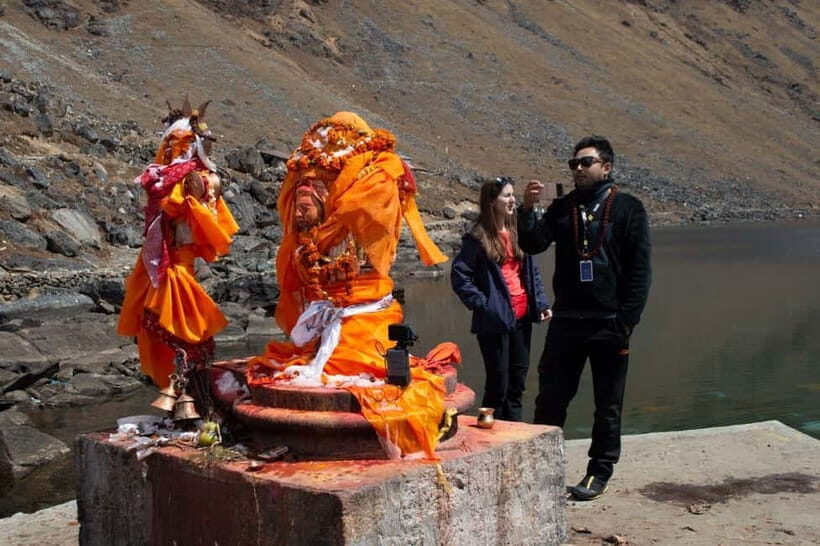
Day 3 is the star: hike toward Gosainkunda, reaching a maximum altitude of 4,380m. This is where the trek earns its reputation. The lake is described as an alpine freshwater glacial lake inside Langtang National Park, and it melts to feed the Trishuli River. It also remains frozen in winter, which gives you a sense of how serious the place is. This isn’t “just scenery.” It’s part of a living seasonal system.
You won’t only visit the main lake. You’ll also explore nearby lakes including:
- Bhairav Kunda
- Chandra Kunda
- Saraswati Kunda
That lineup is why I like this trek over longer routes that only hit one viewpoint. Multiple kunda lakes mean more chances to find the angle that hits you emotionally: a calm mirror of water, a different ridge line, or a wider frame of the Langtang range in the background. Even when your legs are tired, the visual rewards keep showing up.
And yes, the altitude is real. If you try to move too fast, you’ll pay for it. A smart strategy: keep stops brief, breathe steadily, and save your energy for when you reach the lake area and want time to look around.
Also, take advantage of the timing. You’ll do the main exploring and then later return to Laurebina for the night, so the day includes both “reach” and “reset.”
Day 4: Descending Through Rhododendron, Pine, and Bamboo Back to Dhunche
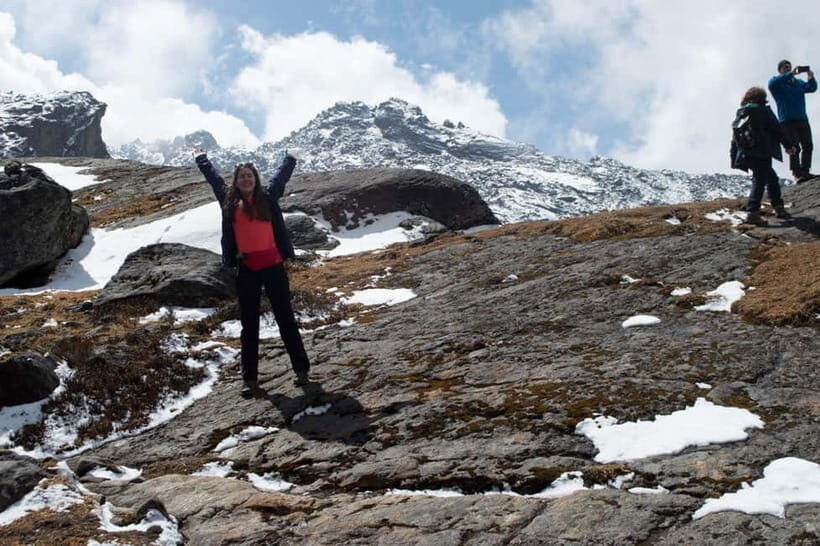
Day 4 is your relief day in a way that still isn’t “easy.” The trail gradually descends through rhododendrons, pine, and bamboo forests, which changes the whole mood. Going down after high altitude can feel strange: your breathing may ease, but your knees and feet suddenly become the boss.
The route takes you back toward Deurali, and then you’ll hike past dense forest and cross a river as you descend to Dhunche for your overnight. That river crossing detail matters because it’s one of those “pay attention” moments. Trek surfaces can be slippery, and a confident step is better than a rushed one.
This day is also a good time to notice local nature. If you’re the kind of person who likes patterns—how the forest type shifts, how slopes change—you’ll probably enjoy this stretch. It’s the trek moving from high-alpine drama to forested mountain life.
A few more Kathmandu tours and experiences worth a look
Day 5: Back to Kathmandu (1,350m) and Time to Reset
On Day 5, after breakfast, you drive back toward Kathmandu. The trek ends at Dhunche, and you’ll return to Kathmandu by bus, with arrival around the bus station and then a transfer back to your hotel.
That’s a big drop in elevation—from near 4,380m down to 1,350m. Your body will feel it. Even if you feel fine on the walk, plan for a “sit and recover” evening after you check in.
This is also where I recommend doing a quick gear cleanup. If you borrowed trekking poles and a sleeping bag, take care of them before you return them (and before you lose track of them in your bag). Small organization habits save real stress at the end.
Langtang National Park on Foot: Views, Wildlife Hopes, and Forest Feel
You’ll be hiking in and around Langtang National Park, and you’ll feel it in the variety of terrain and vegetation. The trail doesn’t just offer mountain views. It cycles through different ecosystems—especially on Day 4 with rhododendron, pine, and bamboo.
About wildlife: the information you’ve got doesn’t promise specific animals. But in a national park setting, you might see tracks, birds, or other signs if conditions are right. The bigger takeaway is that you’re moving through protected terrain with scenic value on every day, not just at the lake.
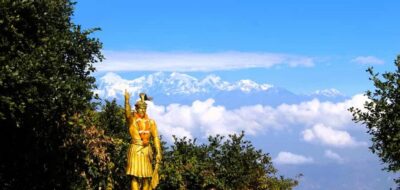
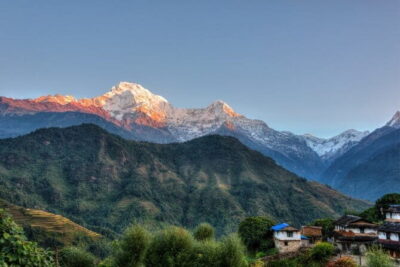
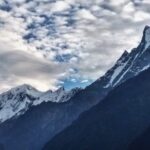
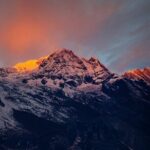
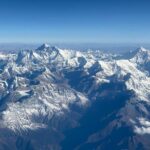
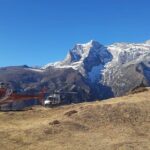
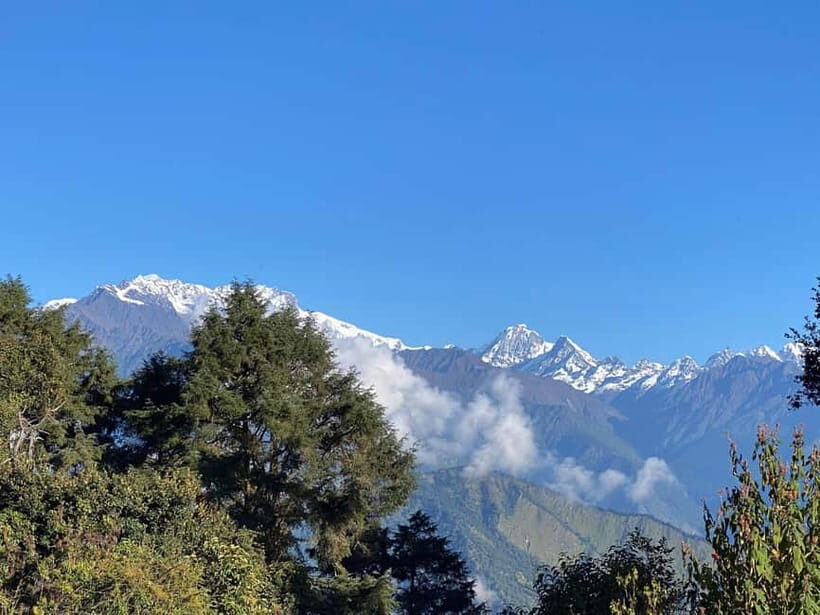
The central Himalaya views are the other draw. The trek is set up so you get spectacular views of the central Himalayas including the Langtang range, especially when the sky is mostly clear. That clear-sky factor is worth listening to. Even a great route can feel muted if cloud cover closes the ridge lines.
Guide Support and the Small-Group Advantage
This trek is guided by an experienced, licensed trek guide, and the group is capped at 14 participants. That small size makes a difference on narrow trails: you get fewer bottlenecks, and your guide can actually see who needs a slower pace.
From what you can expect with guides like Raj and Terens, the standout strength is communication. The guide role here isn’t only about leading you forward. It’s about giving you daily context and helping you understand the plan so the hike feels organized. Raj is noted for being informative about the regions and communicating clearly about the trek plans ahead. Terens is noted for competent support during the hike.
Language coverage is also practical: live tour guide languages include English, Icelandic, and Hindi. That means you’re more likely to understand the instructions (and not just nod politely).
Practical note on pickup: you’ll be asked to arrive 5 minutes before the trip starts at the hotel lobby or the main entrance of your apartment gate. Set an alarm. Being prompt keeps the start smooth.
Meals, Borrowed Gear, and How to Prepare Like a Pro
Food is handled in a straightforward way: you get full board meals for the all-inclusive option (4 breakfasts, 5 lunches, 4 dinners). If you choose a budget meal option, meals may not be included, so read what’s selected carefully.
Either way, you’ll want to treat eating as fuel, not as a luxury. High altitude makes you burn more and feel more sensitive to dehydration and low energy.
Gear is a real plus here:
- You can borrow a sleeping bag and trekking poles
- First aid is included if needed
- You also get a company t-shirt
So you don’t need to arrive with every piece of trekking kit. Still, bring what you know you hike best in. Trek boots with decent grip help on descent days like Day 4.
What to bring is basic and important: passport, a camera, and cash. Permits are included (including TIMS and trek permits), so cash is often for small personal needs, snacks, or souvenirs at the trail.
What you can’t bring or do:
- Alcohol and drugs are not allowed
- Baby carriages aren’t allowed
- Bare feet aren’t allowed
Price and Value: Is $190 a Good Deal Here?
At $190 per person for 5 days, this trek’s value comes from what’s bundled. You’re not just paying for walking days. Your cost also covers:
- hotel pickup and drop
- transportation by bus KTM–Dhunche–KTM
- 4-night mountain guest house accommodation
- an experienced licensed guide
- permits and TIMS card
- borrowed sleeping bag and trekking poles
- and government taxes and service charges
The biggest hidden cost on a trek like this is often the logistics: getting to the trailhead, paying for local permits, and having someone manage day-to-day decisions in mountain conditions. This price packages that together.
What’s not included matters for planning:
- personal expenses
- travel insurance (recommended)
- meals may differ depending on whether you selected full-board or budget
- porter is optional as an add-on
If you tend to underestimate the insurance piece, this is a good moment to correct that. Trekking at high altitude isn’t something you want to handle without coverage.
Who Should Book This 5-Day Gosaikunda Trek (and Who Should Skip)
This is a good choice if you want a short trek that still feels like a real mountain mission. It’s especially suited for people who like a guided route and want to hit a big destination—Gosaikunda—without spending weeks on the road.
That said, it’s not for everyone. It’s not suitable for children under 10, people with mobility impairments, or anyone above 309 lbs (140 kg). If you’re managing a health condition that could be affected by altitude or steep terrain, treat that as a hard “check first” situation.
Also think honestly about your hiking style. Day 2 includes a steep climb to Laurebina (3,910m). Day 4 includes a longer descent. If you’re okay with climbs and downhills, you’ll likely enjoy this. If your knees or breathing get cranky quickly, you might want a different route with more gradual elevation changes.
Should You Book It? My Practical Call
If you want a compact trek with strong payoff—high-altitude lake views, multiple kunda sites, Langtang National Park forests, and a guide who helps you understand the day—this one makes sense. The structure is tight: drive in, climb to Deurali, climb again to Laurebina, day trip to Gosaikunda, then descend back to Dhunche and home.
If your goal is total comfort, this won’t be that. Guesthouses are basic, the hiking includes steep sections, and altitude is part of the deal. You’ll need to go in with respect for effort.
My “yes” checklist: you can hike steep and descend safely, you’re comfortable around altitude, you want a guided group format, and you want to hit Gosaikunda in just 5 days. If those fit, book with confidence.
FAQ
FAQ
How high do you reach on this trek?
The trek reaches a maximum altitude of 4,380m at Gosaikunda (Gosainkunda), with overnight stops at Deurali (2,790m) and Laurebina (3,910m).
How long is the trek and what are the daily components?
It’s a 5-day guided trek. Days include driving from Kathmandu to Dhunche, hiking between Dhunche, Deurali, and Laurebina, a hike to the lakes area, then descending back to Dhunche and driving to Kathmandu.
What’s included in the price?
Included items are hotel pickup and drop, an experienced licensed trek guide, 4-night accommodation at mountain guest houses, full board meals for the all-inclusive option (with 4 breakfasts, 5 lunches, 4 dinners), bus transportation KTM–Dhunche–KTM, trek permits and a TIMS card, borrowed sleeping bag and trekking poles, first aid, a company t-shirt, and government tax and service charges.
Are trekking poles and a sleeping bag provided?
Yes. The trek includes necessary equipment, including borrowing a sleeping bag and trekking poles.
What languages will the guide speak?
The live tour guide speaks English, Icelandic, and Hindi.
Who is this trek not suitable for?
It is not suitable for children under 10 years, people with mobility impairments, and people over 309 lbs (140 kg). Alcohol and drugs are also not allowed.